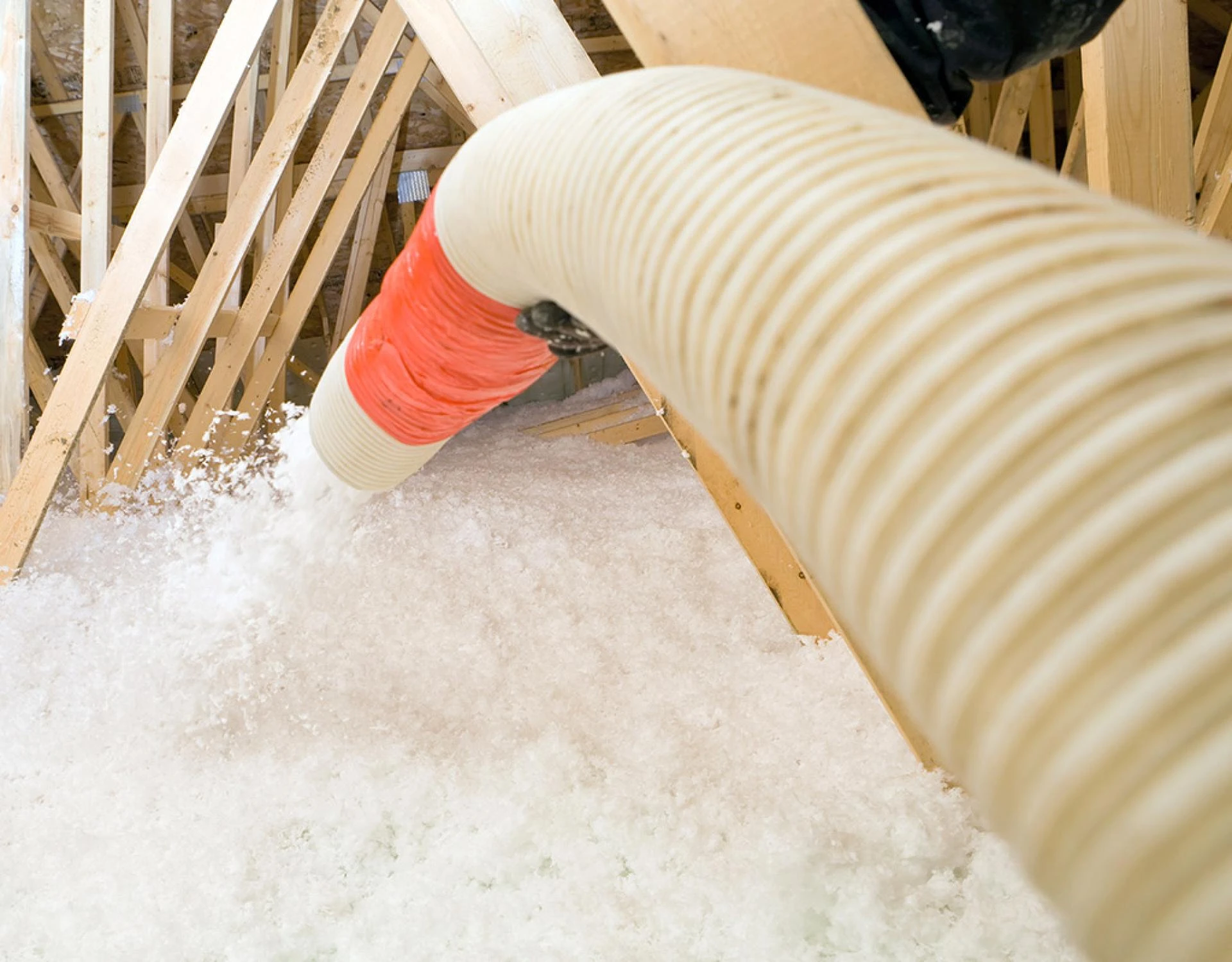

A professional blown-in fiberglass insulation contractor ensures long-lasting results by focusing on a complete system, not just the material itself. The longevity of a fiberglass insulation job depends almost entirely on three key steps that happen before, during, and after the insulation is installed. First is meticulous air sealing of the attic floor to stop energy-wasting drafts. Second is using professional-grade equipment to install the fiberglass at the correct density, which prevents it from settling too much over time. Finally, it involves careful attention to attic ventilation to manage heat and moisture.
The difference between a job that performs well for 30 years and one that fails in five isn't the fiberglass; it's the expertise of the contractor applying it. This guide, based on deep industry experience, pulls back the curtain on the methods that skilled contractors use to guarantee their work stands the test of time, providing homeowners with durable comfort and energy savings.
The Foundation of Durability Air Sealing
The most critical step for a lasting insulation job happens before any fiberglass is even blown. A home's attic floor is full of small holes and gaps that allow heated or cooled air from the living space to leak directly into the attic. This air movement, known as the "stack effect," is a major source of energy loss and can introduce moisture into the attic. Blown-in fiberglass is a thermal insulator, not an air barrier. If it’s installed over a leaky attic floor, its performance will be severely compromised from day one.
A professional contractor will dedicate a significant amount of time to this preparation. Their crew will systematically seal every penetration using materials like fire-rated caulk and expanding foam. Common leakage points they target include:
- Gaps around plumbing pipes and ventilation stacks.
- Holes drilled for electrical wiring.
- Openings around recessed light fixtures (which are often a major source of leaks).
- The tops of interior walls where they meet the attic floor.
- The frame of the attic access hatch or pull-down stairs.
According to building science experts, air leakage can be responsible for as much as one-third of a home's heating and cooling costs. By addressing this first, a contractor ensures the fiberglass insulation can do its job properly.
The Right Technique for a Stable Install
Once the attic is sealed, the quality of the installation itself becomes the next determining factor in its longevity. The common concern with any loose-fill insulation is that it will settle over time, reducing its thickness and R-value. A professional contractor mitigates this through technique and the right equipment.
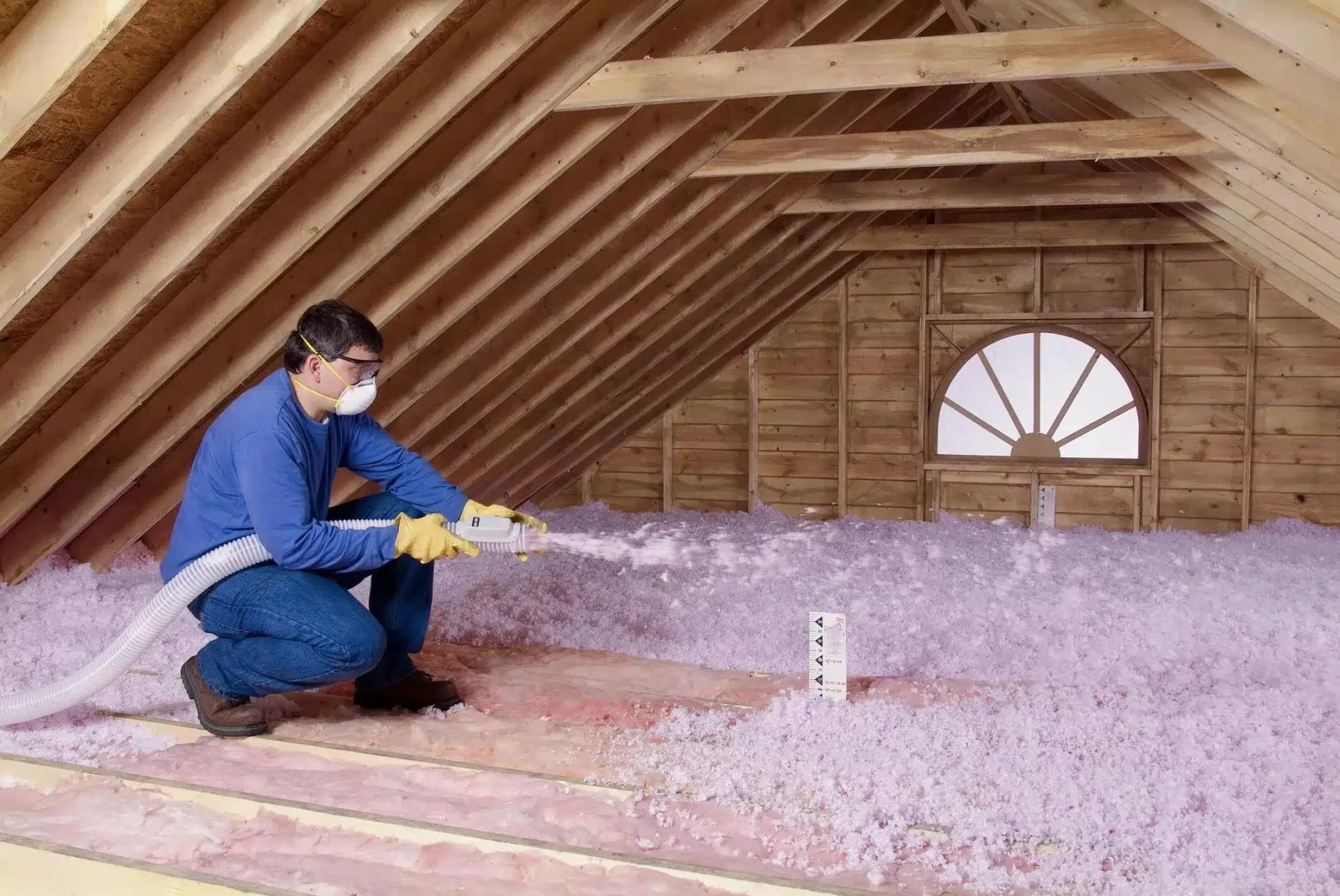
They use a high-powered, commercial-grade blowing machine that is very different from the small units available for rent. This machine properly agitates the compressed fiberglass, fluffing it up with air and conditioning it so it can be installed at the correct density. An amateur or DIY installation often results in a low-density application that is prone to significant settling.
A skilled technician will also ensure the insulation is applied in a uniform, even blanket across the entire attic floor, with no low spots or voids. They use attic rulers placed throughout the space as visual guides to guarantee the correct depth is achieved everywhere. This calculated approach ensures that even after the minor initial settling that all loose-fill products experience, the insulation will still meet or exceed the target R-value for years to come.
Bonus Tip: Before the job starts, a good contractor will install ventilation baffles where the roof meets the attic floor. These simple cardboard or plastic chutes keep the insulation from blocking the soffit vents, ensuring that the attic's ventilation system continues to function properly.
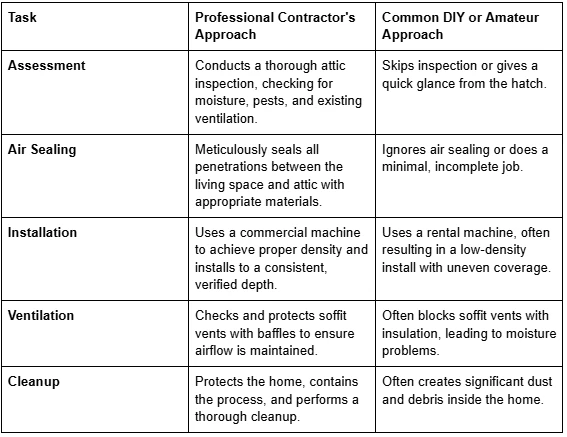
The Professional Process vs An Amateur Attempt
Things to Consider Before Making a Decision
When you're choosing a contractor for blown-in fiberglass, you're buying their process. Here are some things to look for that indicate they are focused on long-lasting results.
A Focus on Building Science
Does the contractor talk about your house as a system? A contractor who explains the importance of air sealing and ventilation understands building science. They see insulation as one part of a larger system that keeps your home comfortable, efficient, and healthy. Be wary of anyone who only wants to talk about the R-value of the material itself.
The Quality of Their Proposal
A proposal from a professional will be detailed and specific. It should clearly state the target R-value, the installed depth of the insulation, and a description of the air sealing work that will be performed. A vague, one-line quote is often a sign of a contractor who plans to cut corners.
Their Equipment and Crew
Don't be afraid to ask about their equipment and the training their crew has received. A company that invests in high-quality machinery and ongoing training for its technicians is a company that is serious about delivering a high-quality, durable product.
Bonus Tip: Ask the contractor if they can verify their work with a post-installation inspection. A confident contractor will be happy to show you the even coverage, the installed depth rulers, and the protected vents, proving that the job was done correctly.
Common Questions About Blown-In Fiberglass Longevity
How long should professionally installed fiberglass last?
When installed correctly as part of a complete system (with proper air sealing and ventilation), blown-in fiberglass insulation should last for the life of the home without losing its thermal performance.
Will the fiberglass get moldy?
Fiberglass itself is inorganic and cannot support mold growth. Mold in an attic is caused by a moisture problem. A professional contractor helps prevent this by ensuring the attic is properly ventilated, which helps to remove excess moisture.
Can I just add more insulation on top of my old stuff?
Yes, provided the existing insulation is dry and not contaminated with mold or pests. A contractor can blow a fresh layer of fiberglass right on top to bring the attic's total R-value up to modern standards.
Does the R-value really matter if the attic isn't air sealed?
The R-value of insulation is tested in a sealed box with no air movement. In a real-world, leaky attic, air moving through and around the insulation can reduce its effective R-value by as much as 50%. This is why air sealing is so important for a lasting, effective job.
Why can't I just rent a machine and do it myself?
While it's possible, a DIY installation rarely achieves the same long-lasting results. The rental machines are less powerful, and most homeowners lack the training to properly air seal the attic and install the fiberglass at the correct density to prevent significant settling.
A Job Built to Last
The key to a long-lasting blown-in fiberglass insulation job lies in the hands of the contractor. By taking a comprehensive approach that includes diligent air sealing, precise installation techniques, and respect for the home's ventilation system, a professional ensures that the insulation performs at its peak from day one and continues to do so for decades.
Get an Expert Opinion on Your Insulation
If you're looking to upgrade your attic insulation and want to ensure the job is done right for maximum longevity, it's best to consult with a qualified professional. They can provide a thorough assessment and a clear plan for a high-performance installation. For homeowners seeking a contractor with a focus on durable results, the team at H&R Spray Foam Insulation is a great resource. They can be reached for a detailed evaluation at (512)862-9637 or via email at [email protected].
Author: With 15 years of banking experience and five years managing H&R Spray Foam Insulation, Edith is passionate about building strong relationships with customers. Her favorite part of the role is connecting with clients and ensuring their needs are met as she works alongside them to improve the health, comfort, and energy efficiency of their homes.
Reviewer: With 7 years in the spray foam insulation business, Ella Adams offered useful feedback on this post, helping make sure the tips were both realistic and easy to apply.
























Sign in to leave a comment.