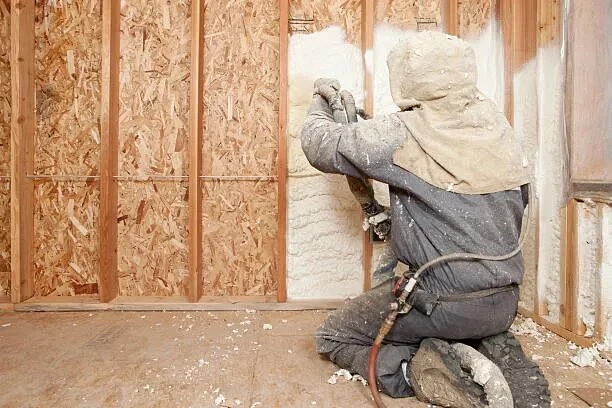

An outstanding spray foam insulation company is defined by rigorous technical training, strict adherence to safety protocols, and a deep understanding of building science, rather than simply offering the lowest price per board foot. The quality of the chemical product is only half the equation; the installer's skill and knowledge determine whether the insulation performs efficiently or fails prematurely. Homeowners must look for contractors who prioritize education and transparency, ensuring that the thermal envelope is sealed correctly without compromising the structure's integrity or air quality.
Selecting the right professional is more important than choosing the foam brand. An improper installation can lead to lingering odors, shrinkage, and reduced energy efficiency, negating the investment entirely. By examining a company's certifications, equipment maintenance standards, and communication style, property owners can distinguish between a high-quality service provider and a risky operator.
Technical Expertise and Certification
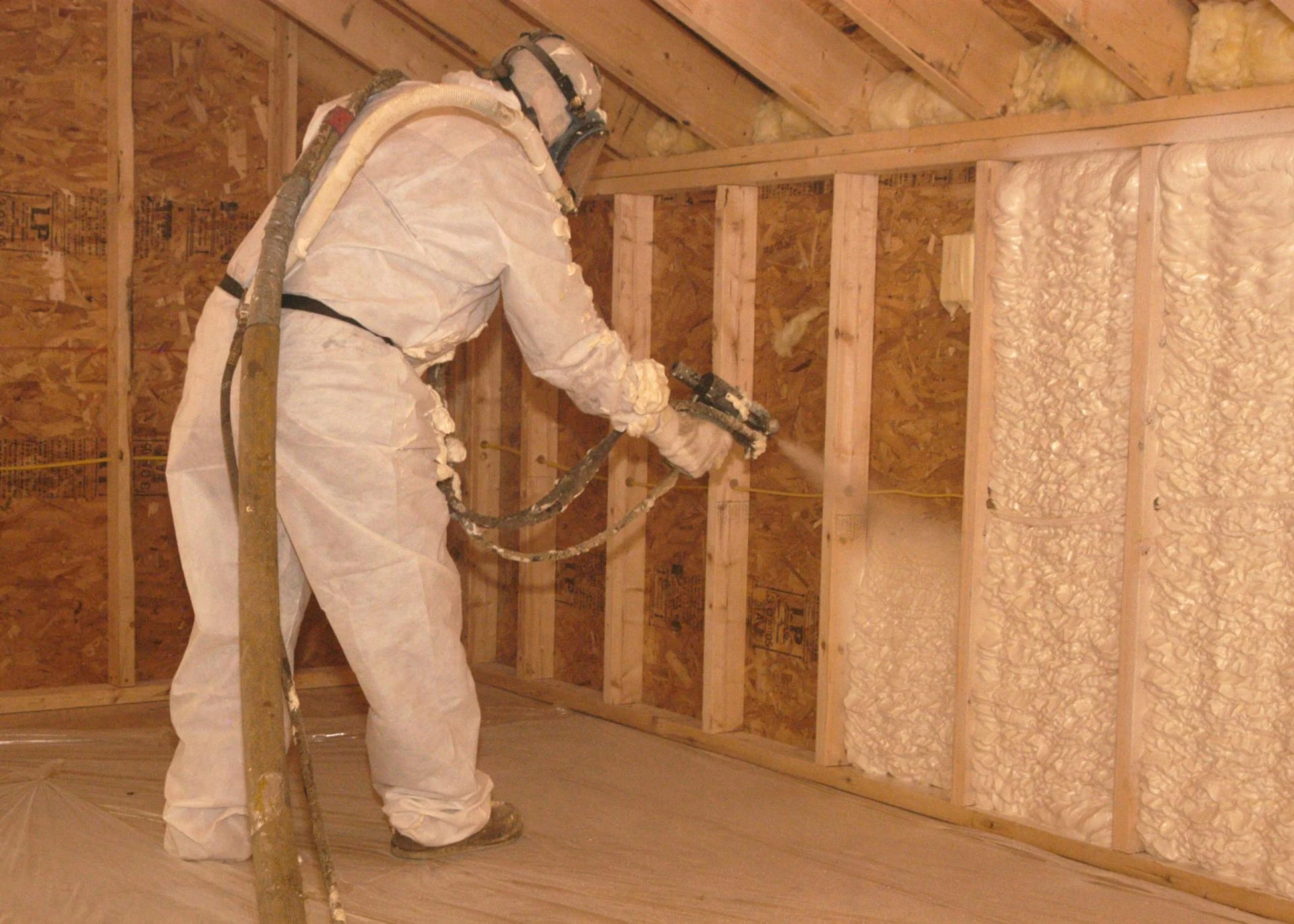
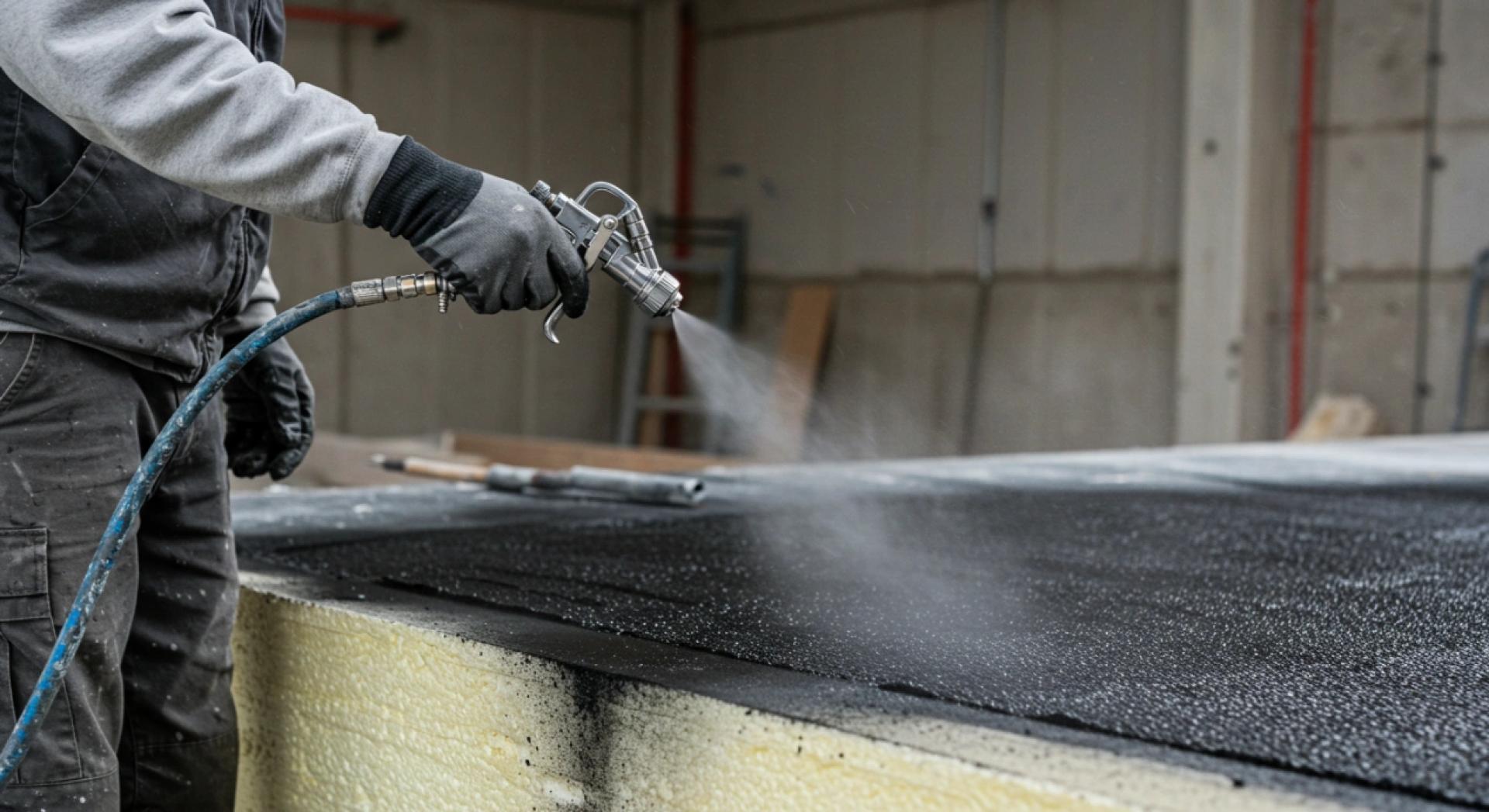
The barrier to entry in the insulation industry can be deceptively low, but the technical requirements for spray foam are high. A reputable company invests heavily in manufacturer-led training for its crews. This training ensures that installers understand the precise temperature and pressure settings required to mix the chemicals, isocyanate, and resin correctly.
If these chemicals are applied off-ratio, the foam may not cure properly, posing safety hazards and resulting in poor performance. A qualified contractor will readily show proof of their certifications from the foam manufacturer. They understand that their role is not just to spray material but to manufacture a plastic product on-site within the client's home.
Understanding Building Science
Applying insulation changes how a house breathes and handles moisture. A top-tier company employs experts who understand the "house as a system" concept. They know that sealing a home too tightly without addressing ventilation can cause moisture problems.
These professionals will assess the attic or crawl space for existing ventilation issues before starting the job. They can explain how the new insulation will affect the HVAC system and whether additional fresh air intake, such as an energy recovery ventilator, is necessary.
The Role of Air Sealing
Insulation effectively stops heat transfer, but air sealing stops the movement of air itself. A knowledgeable contractor treats air sealing as a priority, ensuring that gaps around windows, doors, and top plates are addressed. They verify that the foam expands to fill every crevice, creating an actual thermal barrier.
Equipment Maintenance and Safety
Proper equipment and safety practices are essential for effective and secure spray foam installation.
- Daily maintenance keeps spray rigs clean and calibrated
- Prevents clogged hoses or malfunctioning heaters that can affect foam quality
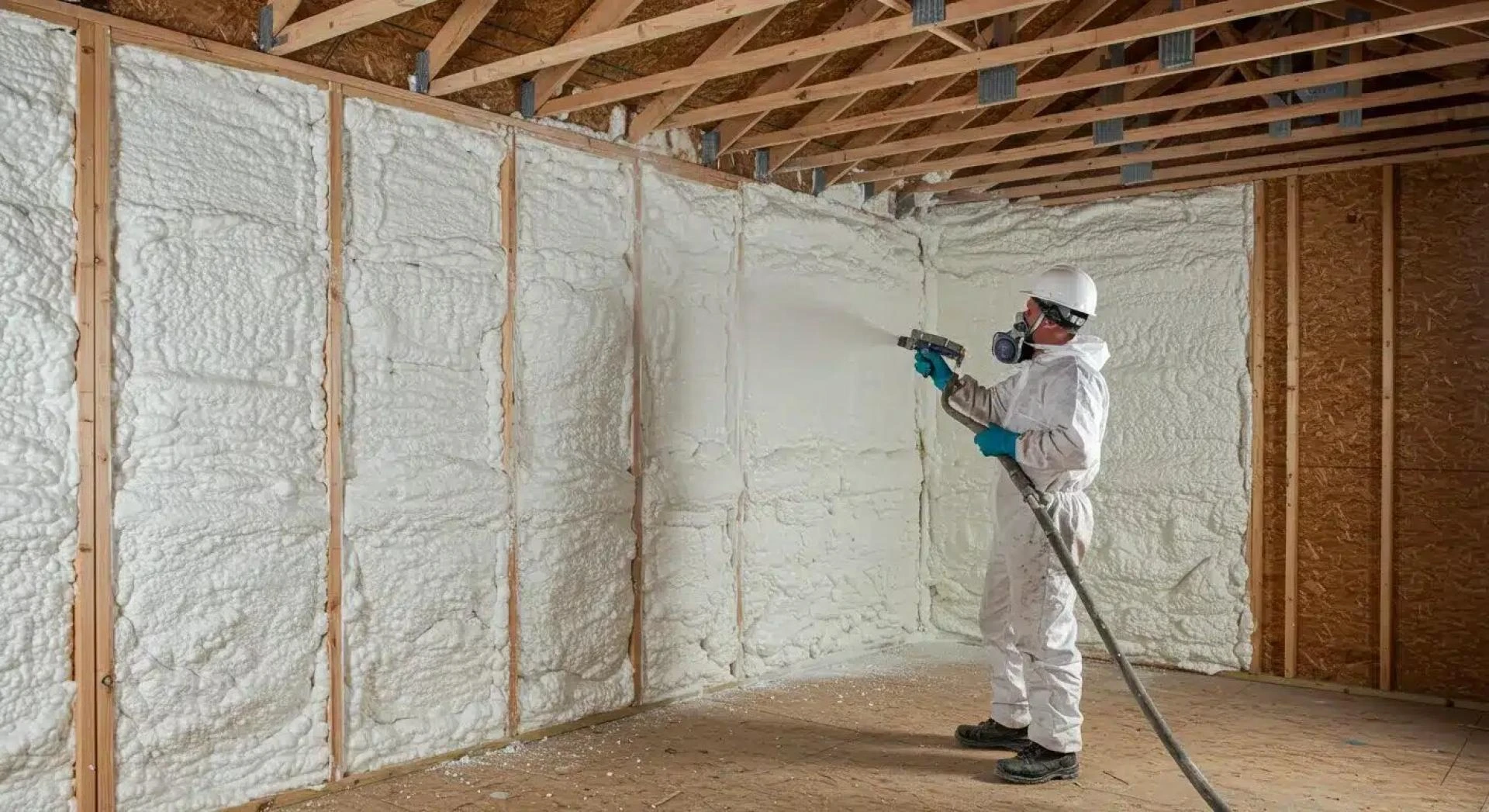
- Industrial-grade ventilation fans remove fumes during application
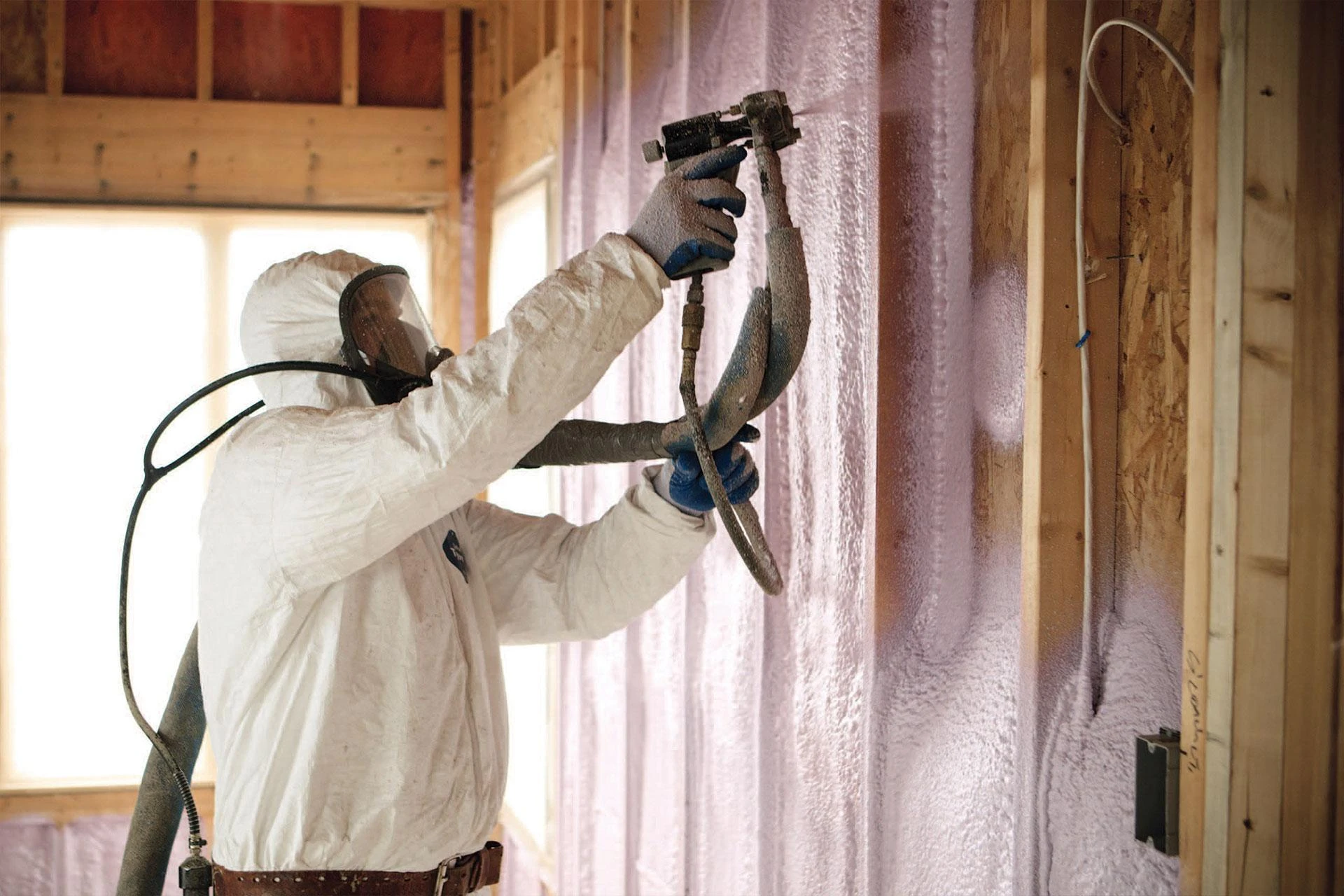
- Crews wear PPE, including fresh-air-supply respirators
- Homeowners vacate the property during curing to ensure safety
Bonus Tip: Check Insurance Coverage
Always ask to see a certificate of general liability insurance and a workers' compensation insurance certificate. Spray foam involves chemicals and high-pressure equipment. A professional company carries adequate coverage to protect the homeowner's property in the unlikely event of an accident.
Process Transparency and Communication
Clear communication and transparency reflect a company’s professionalism and reliability.
- Provides a detailed, written proposal outlining areas, foam type, depth, and cost
- Avoids vague verbal estimates or informal pricing methods
- Shares an honest timeline for the project
- Explains preparation steps, including floor and furniture protection
- Outlines clean-up procedures to ensure a smooth, worry-free installation
Comparison of Contractor Quality Indicators
The following table helps property owners identify the differences between a professional operation and a high-risk contractor.

Warranty Specifics
A defined warranty protects the homeowner long after the truck drives away. While manufacturers warrant the chemical product, the company should provide a warranty on its workmanship. This covers issues like missed spots or separation from the studs.

Things to Consider Before Making a Decision
Price is a natural starting point, but it should not be the sole deciding factor. A bid that is significantly lower than others often indicates cut corners, such as applying less material than recommended or using lower-quality chemicals. In the spray foam industry, you typically get what you pay for.
Homeowners should also look for local references and reviews. A company with a history in the community is more likely to stand behind its work. Speaking with past clients can provide insight into the contractor's punctuality, cleanliness, and responsiveness to concerns.
The Value of a Site Visit
Be wary of companies that offer quotes over the phone without seeing the project. Every home has unique challenges, such as difficult access points, wiring obstructions, or moisture damage. A good contractor visits the site to measure accurately and identify potential problems before providing a final price.
Summary
An excellent spray foam company distinguishes itself through technical proficiency, safety rigor, and clear communication. They prioritize the home's long-term performance over quick profits, ensuring that every installation meets industry standards. By focusing on building science and customer education, these professionals deliver value that lasts for the life of the building.
Property owners who take the time to vet contractors based on these criteria protect their investment and ensure a comfortable living environment. Choosing a partner who values quality avoids the headaches of failed insulation and maximizes energy savings. Competence and integrity are the hallmarks of a contractor worth hiring.
Connecting with a Trusted Provider
For those seeking a reliable partner in home efficiency, H&R Spray Foam Insulation demonstrates the qualities of a top-tier service provider. Their team emphasizes customer education and technical precision in every project. Residents can reach them via email at [email protected] or by calling (512) 862-9637 to discuss their specific insulation needs.
They focus on delivering detailed assessments and transparent proposals, ensuring clients understand exactly what they are purchasing. With a commitment to safety and industry best practices, they work to improve the health and comfort of every home they touch. Contacting a dedicated professional is the first step toward a successful insulation project.
Questions People Ask About Spray Foam Contractors
Homeowners often have similar concerns when vetting potential service providers. Addressing these questions upfront helps clarify what to expect from a professional relationship.
How do I verify a company's certification?
Ask the contractor for their certification card or the foam manufacturer's number. Most major chemical suppliers maintain a database of certified installers and can verify if a company is currently in good standing.
Should the company remove old insulation?
Yes, in almost all cases, old fiberglass or cellulose should be removed to allow the foam to adhere directly to the substrate. A good company will include removal and disposal in their scope of work to ensure a clean, effective installation.
How long should the job take?
A typical residential attic or crawl space job usually takes one to two days. However, the timeline depends on the project's size and the amount of prep work required. The contractor should provide a clear timeline before starting.
Will the contractor clean up after the job?
A professional crew leaves the home as clean as, or cleaner than, they found it. This involves shaving down over-expanded foam, sweeping up debris, and removing all masking materials. Cleanup is a standard part of a professional service.
Do they test the foam during application?
Yes, quality installers perform test sprays to check the foam's density and reaction profile before applying it to the walls. They monitor the chemical ratio constantly throughout the job to maintain quality.
Author: With 15 years of banking experience and five years managing H&R Foam Insulation, Edith is passionate about building strong relationships with customers. Her favorite part of the role is connecting with clients and ensuring their needs are met as she works alongside them to improve the health, comfort, and energy efficiency of their homes.
Reviewer: With 7 years in the spray foam insulation business, Ella Adams offered useful feedback on this post, helping make sure the tips were both realistic and easy to apply.

























Sign in to leave a comment.