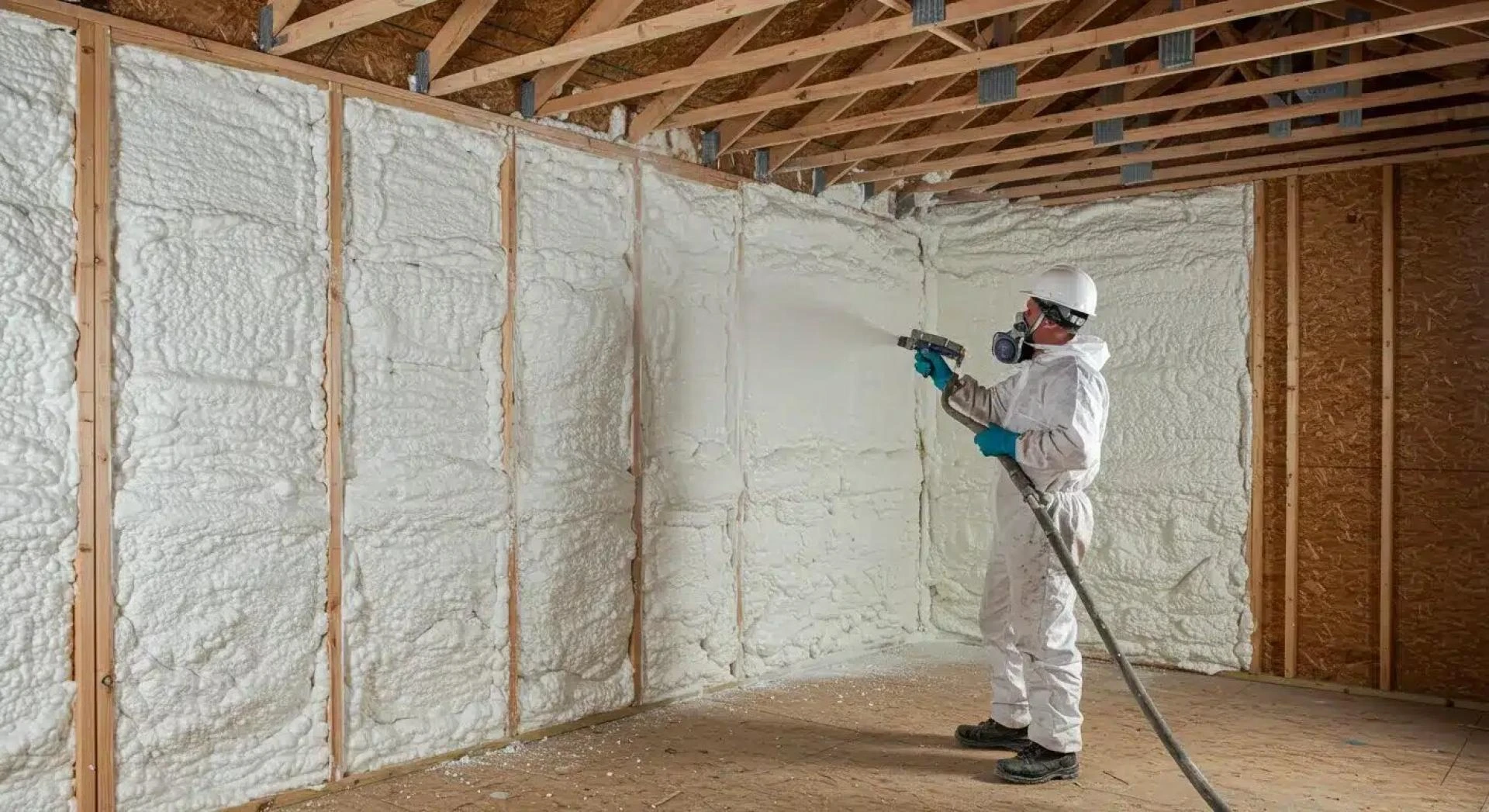

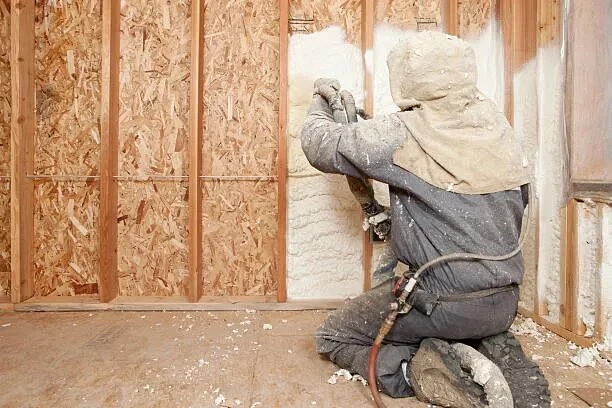
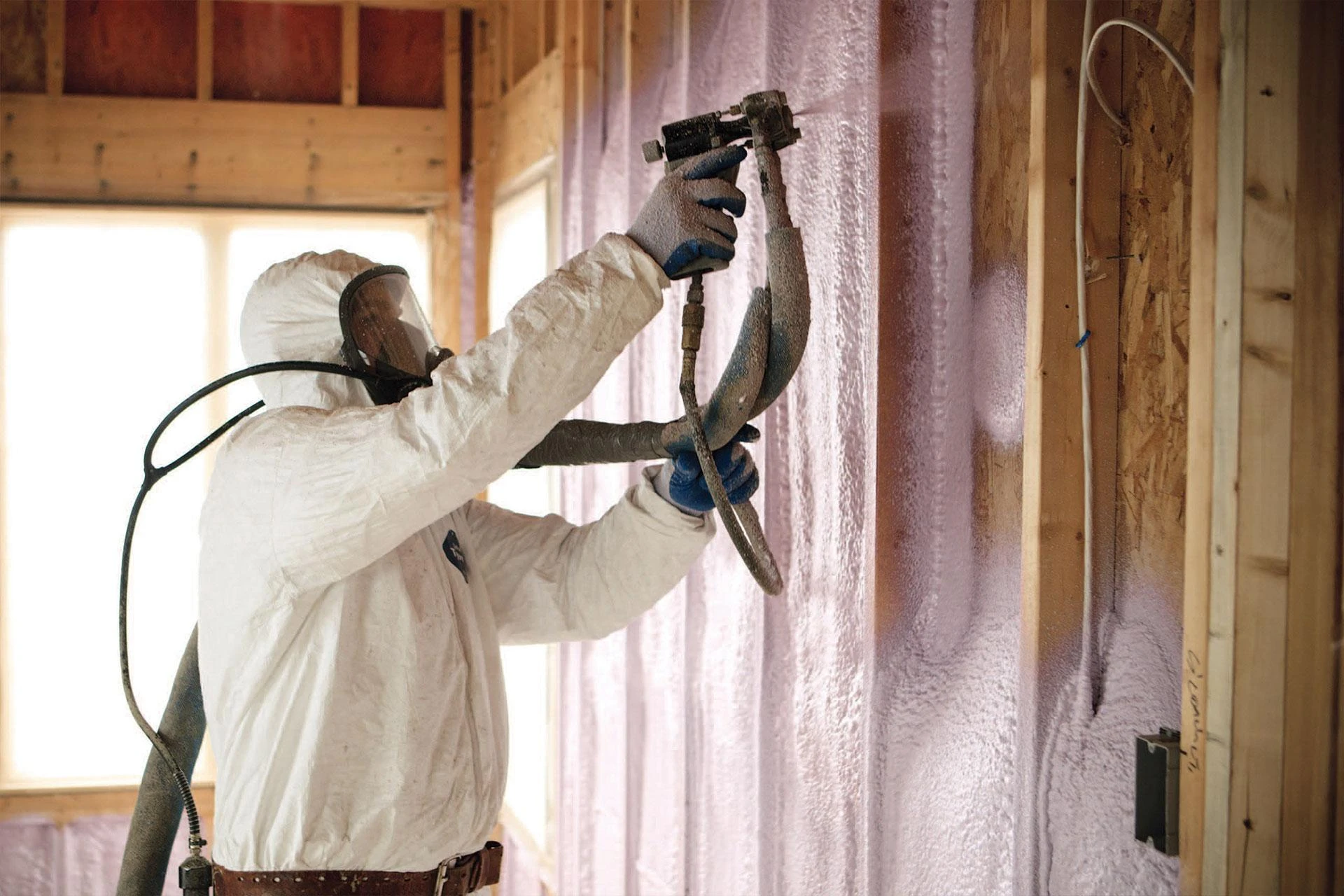
Spray foam insulation improves daily living comfort by establishing a continuous air barrier that eliminates drafts and maintains consistent indoor temperatures. Unlike traditional materials that primarily slow heat transfer, professional spray foam insulation expands to fill gaps and cracks, effectively stopping the movement of air that carries moisture, allergens, and noise into the home. This comprehensive sealing process results in a living environment that stays cooler in the summer and warmer in the winter while demanding less from heating and cooling systems.
Managing a home involves balancing financial decisions with quality-of-life upgrades. With extensive experience in both financial planning and insulation management, industry professionals understand that the value of insulation extends beyond just the monthly utility bill. This guide examines the tangible ways spray foam impacts daily life, from sound reduction to air quality, providing clear information for property owners looking to upgrade their living space.
The Science of Consistent Indoor Temperatures
The primary complaint homeowners express regarding their living space is the inability to keep specific rooms at a comfortable temperature. Even with the thermostat set correctly, certain areas may feel stiflingly hot or freezing cold depending on the season. Spray foam addresses this by treating the entire building envelope as a single, unified system rather than a collection of separate parts.
Eliminating Drafts and Cold Spots
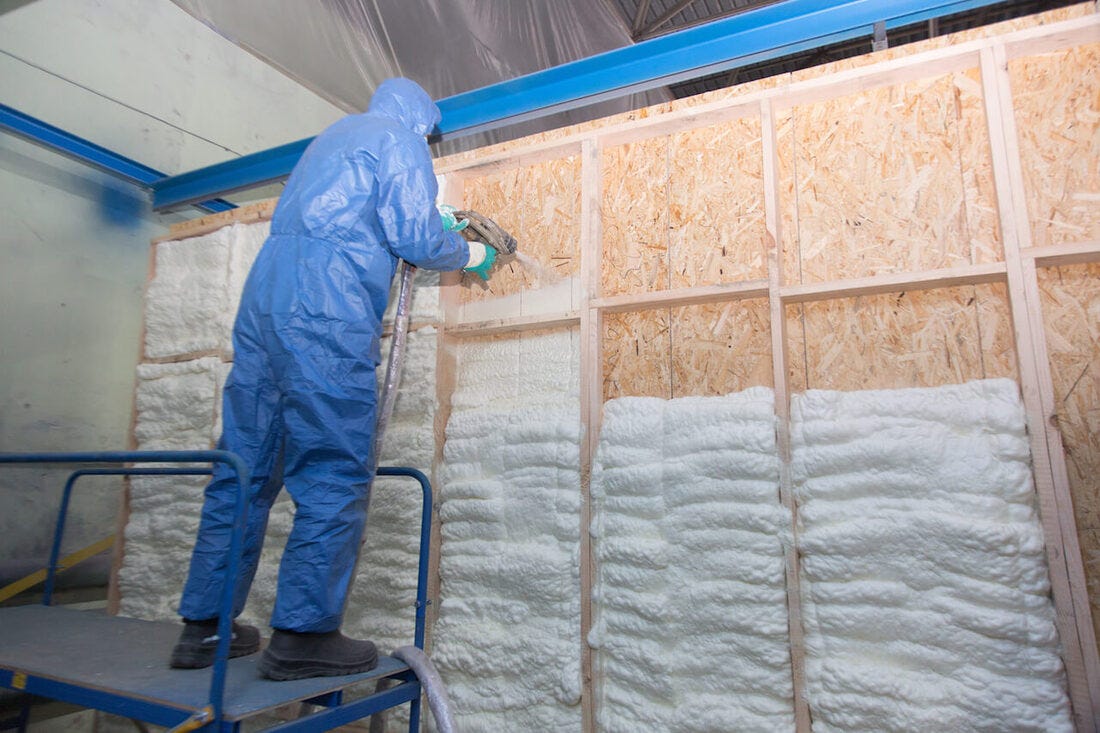
Drafts occur when there is a pressure difference between the inside and outside of a home, causing air to force its way through small openings. Traditional insulation like fiberglass batts functions like a wool sweater; it keeps heat in but allows wind to blow right through it. Spray foam acts more like a windbreaker, stopping the airflow completely and preventing those uncomfortable pockets of cold air near windows and baseboards.
Understanding the Stack Effect
The "stack effect" describes how air moves vertically through a building, much like a chimney. In winter, warm air rises and escapes through leaks in the attic, creating a vacuum that pulls cold air in through the basement or lower floors. By sealing the attic floor or roof deck with spray foam, this cycle is broken, stabilizing the pressure and temperature across all floors.
Bonus Tip: Identifying Draft Sources
Homeowners can identify where their current insulation is failing by performing a simple test on a windy day. By holding a lit incense stick near electrical outlets, window frames, and baseboards, they can observe the smoke trail. If the smoke blows horizontally or becomes turbulent, it indicates an active air leak that requires sealing.
Why R-Value Alone Is Not Enough
R-value measures thermal resistance, but it does not account for air leakage, which is often the biggest thief of comfort. A home can have high R-value insulation but still feel uncomfortable if air is passing through it. Spray foam provides both high R-value and an air barrier in one application.
Creating a Quieter Living Environment
Noise pollution from traffic, neighbors, or weather can disrupt sleep and relaxation within a home. The density and expansive nature of spray foam allow it to act as an effective sound dampener that quiets the interior space significantly. This acoustic benefit is often an unexpected but highly valued advantage for those living in busy urban areas or near highways.
Open-Cell Foam for Sound Dampening
Open-cell spray foam is particularly effective for sound control because of its lighter, sponge-like density. It absorbs sound waves rather than deflecting them, which reduces the transmission of airborne noise through walls and floors. This makes it an ideal choice for insulating media rooms, home offices, or bedrooms located near noisy streets.
Comparing Comfort Metrics Across Materials
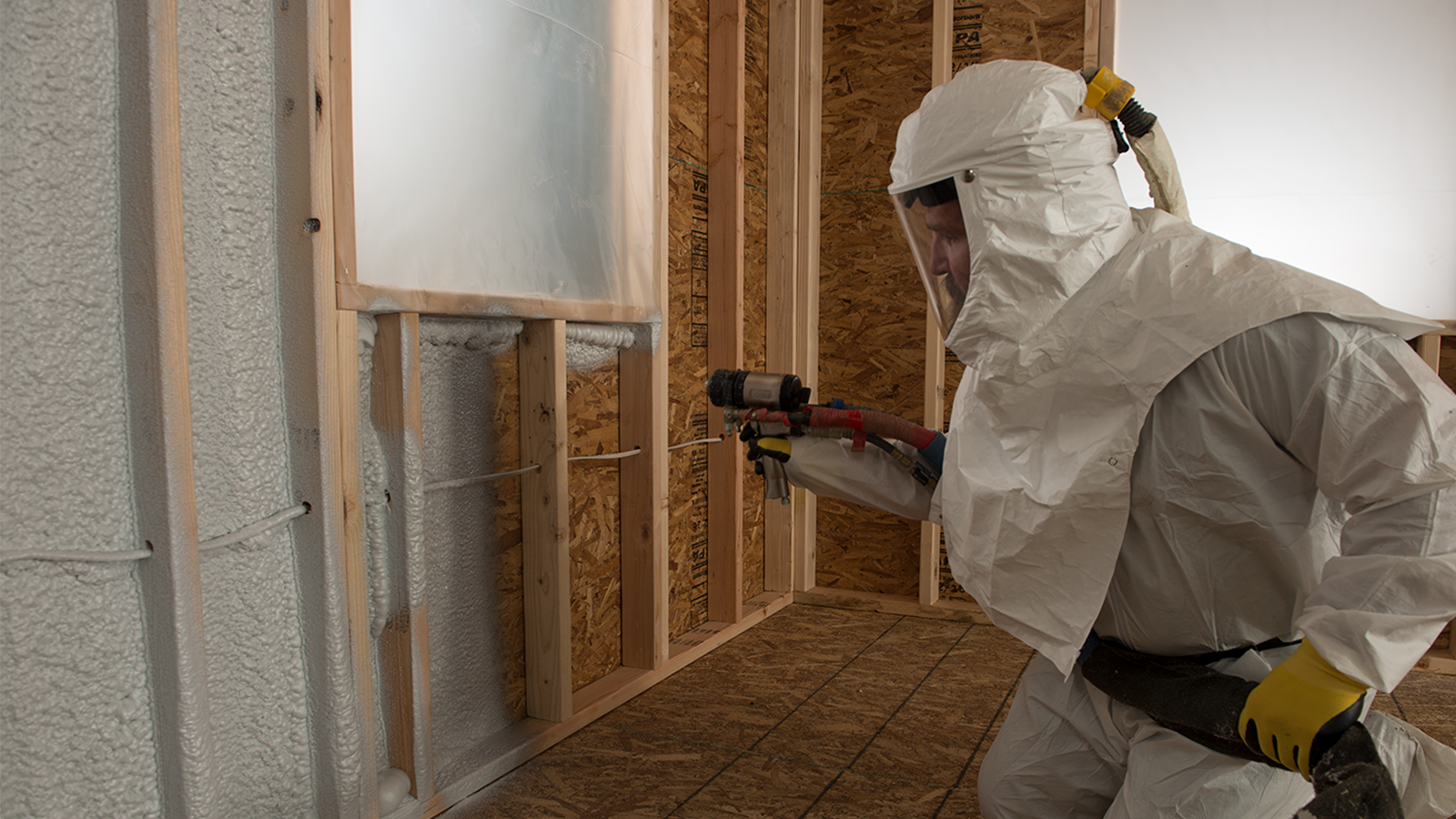
Selecting the right insulation requires looking at how different materials perform under real-world conditions rather than just in a lab. While fiberglass and cellulose have been standard for decades, they react differently to moisture and air pressure than modern spray foam options. The following table breaks down how these materials stack up when it comes to factors that directly influence occupant comfort.
Improving Indoor Air Quality and Health
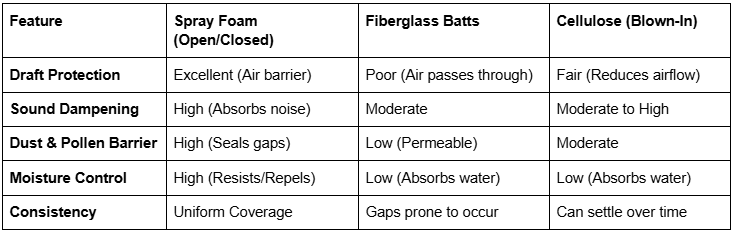
A home that breathes too much often inhales dust, pollen, and pollutants from the outdoors or the attic. By sealing the perimeter of the house, spray foam limits the entry points for these irritants, creating a cleaner internal atmosphere. This is particularly beneficial for households with family members who suffer from seasonal allergies or respiratory sensitivities.
Moisture Control and Mold Prevention
Moisture is the enemy of a healthy home environment as it encourages mold growth and bacterial proliferation. Closed-cell spray foam acts as a vapor retarder that prevents warm, humid air from condensing on cool surfaces inside walls. Keeping wall cavities dry eliminates the musty odors often associated with older homes and protects the structural wood from rot.
Bonus Tip: Ventilation Strategy
When a home is sealed tightly with spray foam, mechanical ventilation becomes necessary to ensure fresh air circulation. Installing an Energy Recovery Ventilator (ERV) or Heat Recovery Ventilator (HRV) allows the home to bring in fresh outdoor air while filtering it and retaining the energy used to heat or cool the interior.
Things to Consider Before Making a Decision
Switching to spray foam is a significant home improvement project that requires planning and an assessment of the current state of the home. Homeowners must weigh the upfront investment against the long-term gains in comfort and equipment longevity. Several factors, including the age of the home and existing ventilation, play a role in determining the best approach.
Regional Climate Differences
The choice between open-cell and closed-cell foam often depends on the specific climate zone of the property. In hot, humid southern regions, closed-cell foam is preferred for its ability to block exterior humidity from entering the air-conditioned space. In colder, drier northern climates, open-cell foam is often sufficient for thermal retention and is a cost-effective way to achieve high R-values.
Assessing Existing Insulation
For retrofit projects, the condition of the old insulation is a major factor in the installation process. Old, dirty fiberglass or cellulose usually needs to be removed to allow the spray foam to adhere directly to the substrate. This removal process also allows inspectors to check for hidden electrical or plumbing issues before they are covered permanently.
Common Questions About Spray Foam Insulation
Homeowners frequently ask specific questions regarding the safety, installation, and daily impact of spray foam products. Clearing up these common inquiries helps individuals make informed choices about their property upgrades. The following section addresses five of the most pressing questions people ask when considering this technology.
Does spray foam insulation have an odor?
During the application process, spray foam releases a distinct odor as the chemicals react and expand. However, once the foam has fully cured—typically within 24 to 48 hours—it becomes inert and odorless. Professional installers use large fans to ventilate the space during and immediately after the job to ensure fumes dissipate quickly.
Can spray foam be installed in existing walls?
Injecting spray foam into existing closed walls is possible but requires a specific technique called "injection foam" or removing drywall. Standard expanding spray foam is designed for open cavities, such as attics, crawl spaces, or during new construction/renovation when the studs are exposed.
Will spray foam make my house too airtight?
It is possible to make a house tight enough that it requires mechanical ventilation, but this is generally considered a positive attribute. A "tight" house means the owner has complete control over where air enters and leaves, rather than relying on random leaks. Controlled ventilation ensures the air remains fresh and filtered.
Does spray foam attract pests or rodents?
Spray foam does not contain any food value for rodents or insects, so it does not attract them. In fact, because it hardens into a solid barrier, it helps seal off the tiny cracks and entry points that pests typically use to invade a home. While not a pesticide, it acts as a physical deterrent.
How long does spray foam insulation last?
When installed correctly and protected from direct sunlight, spray foam insulation lasts for the life of the building. It does not sag, settle, or degrade over time like loose-fill materials. This durability ensures that the comfort levels remain consistent for decades without the need for replenishment.
Evaluating Your Home Comfort Needs
Upgrading insulation offers a direct path to a more comfortable, quiet, and healthy living environment. By sealing the building envelope, property owners can eliminate the daily annoyances of drafts, temperature fluctuations, and intrusive noise. While the initial process requires planning, the result is a home that supports the well-being of its occupants regardless of the weather outside.
Contact Industry Specialists
For those considering an insulation upgrade, H&R Spray Foam Insulation provides expert consultation and application services tailored to residential needs. Their team assesses each property individually to determine the most effective solution for maximizing comfort and energy efficiency. They handle the complete scope of work, ensuring the job is done safely and correctly.
To schedule an evaluation or discuss specific home requirements, interested parties can contact the company at (512) 862-9637. For written inquiries or to request detailed service information, emails can be directed to [email protected]. The team is available to help homeowners navigate the options and choose the best path for their property.
Author: With 15 years of banking experience and five years managing H&R Spray Foam Insulation, Edith is passionate about building strong relationships with customers. Her favorite part of the role is connecting with clients and ensuring their needs are met as she works alongside them to improve the health, comfort, and energy efficiency of their homes.
Reviewer: With 7 years in the spray foam insulation business, Ella Adams offered useful feedback on this post, helping make sure the tips were both realistic and easy to apply.



























Sign in to leave a comment.