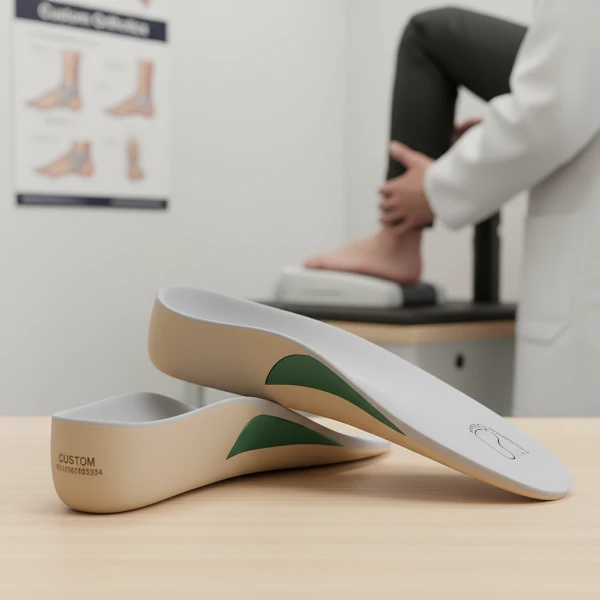

Plantar fasciitis is one of the most common causes of heel pain, affecting millions of people worldwide. Whether you’re an athlete, a professional on your feet all day, or simply someone struggling with chronic foot discomfort, finding the right pair of shoe insoles can make a world of difference. In this guide, we’ll explore what plantar fasciitis is, how insoles help, and what to look for when choosing the best pair for lasting comfort and support.
Understanding Plantar Fasciitis
Plantar fasciitis occurs when the plantar fascia — a thick band of tissue running along the bottom of your foot — becomes inflamed or overstressed. This leads to sharp heel pain, especially in the morning or after long periods of standing or walking. Common causes include overuse, improper footwear, flat feet, or high arches. While rest and stretching are crucial, the right insoles can significantly reduce strain and promote healing.
Why Insoles Matter
Shoe insoles play a crucial role in relieving plantar fasciitis pain. They provide cushioning and arch support, distributing pressure evenly across your feet. This not only reduces stress on the plantar fascia but also improves posture and overall foot alignment. Insoles also absorb shock from walking or running, preventing further injury and promoting faster recovery.
Without proper support, your feet may overpronate (roll inward) or supinate (roll outward), worsening your condition. Insoles help correct these imbalances by stabilizing your feet, reducing inflammation, and offering comfort with every step.
Key Features to Look for in Insoles
When shopping for the best insoles for plantar fasciitis, keep these factors in mind:
- Arch Support: Look for insoles that match your foot’s natural arch type. Proper arch support helps distribute body weight evenly and minimizes strain on the plantar fascia.
- Cushioning: Memory foam or gel cushioning absorbs impact, offering soft support that prevents pain during daily activities.
- Heel Cup: A deep heel cup stabilizes your foot and keeps your heel in place, reducing tension on the plantar fascia.
- Material: Opt for breathable, moisture-wicking materials to keep your feet cool and dry.
- Fit: Choose insoles that fit snugly inside your shoes without causing discomfort or crowding.
Best Types of Insoles for Plantar Fasciitis
- Orthotic Insoles: Custom-made or over-the-counter orthotic insoles are specifically designed to provide optimal arch support and alignment correction.
- Gel Insoles: Ideal for cushioning and shock absorption, especially for those who stand for long hours.
- Memory Foam Insoles: Offer plush comfort and contouring, great for casual wear and light activity.
- Sport Insoles: Designed for athletes, these insoles provide extra stability, support, and energy return during high-impact movement.
Additional Tips for Relief
- Replace insoles every 6 to 12 months to maintain their shape and support.
- Stretch your calves and feet daily to loosen tight muscles.
- Wear supportive shoes that match your foot type — avoid flat, unsupportive footwear like flip-flops or worn-out sneakers.
- Consult a podiatrist if pain persists, as chronic plantar fasciitis may require custom orthotics or physical therapy.
Conclusion
Finding the right shoe insoles for plantar fasciitis can transform your daily comfort and mobility. With proper cushioning, support, and fit, you can relieve heel pain, promote healing, and enjoy walking again without discomfort. Remember, the key is consistency — pair your insoles with supportive footwear and daily stretching for the best long-term results.
Give your feet the support they deserve, and take every step toward a pain-free life.

































Sign in to leave a comment.