
Introduction
For property owners, floods can be one of the most challenging situations they face. Water damage poses a threat to the foundation, structure, and contents of a building. Acting quickly helps mitigate these risks. The professional flood restoration process is always carried out in set steps to ensure properties are restored as efficiently as possible. All families and businesses now have a better understanding of these steps to prepare in the event of an emergency. The process can be quite elaborate, but this guide breaks it down and makes it seem simple and achievable.
1. Initial Assessment
When the floodwaters recede, restoration specialists first inspect the affected property. This assessment determines the extent of the damage and the type of water involved. Engaging professional flood restoration in Sydney ensures that both documentation and cleanup are handled efficiently. Photographic and written documentation supports insurance claims. Moreover, assessing damage as soon as possible enables specialists to develop a more effective, systematic restoration plan. As floodwaters can be dangerous, safety remains the priority during this phase.
2. Water Extraction
Removing standing water is the next priority once the inspection is complete. High-powered pumps and vacuums extract water from floors, carpets, and other areas. Immediate removal reduces the risk of mould growth and further structural damage. Every minute during this phase is crucial. Teams remove all visible water, preparing the site for drying.
3. Removal of Contaminated Materials
Floodwater may be contaminated with dirt, bacteria, or chemicals. Restoration crews carefully remove damaged drywall, insulation, and flooring. These materials are usually ruined after prolonged water exposure. Removing them prevents health-related issues and safely disposes of hazardous waste. This also ensures restored areas remain clean and free from other potential hazards.
4. Drying and Dehumidification
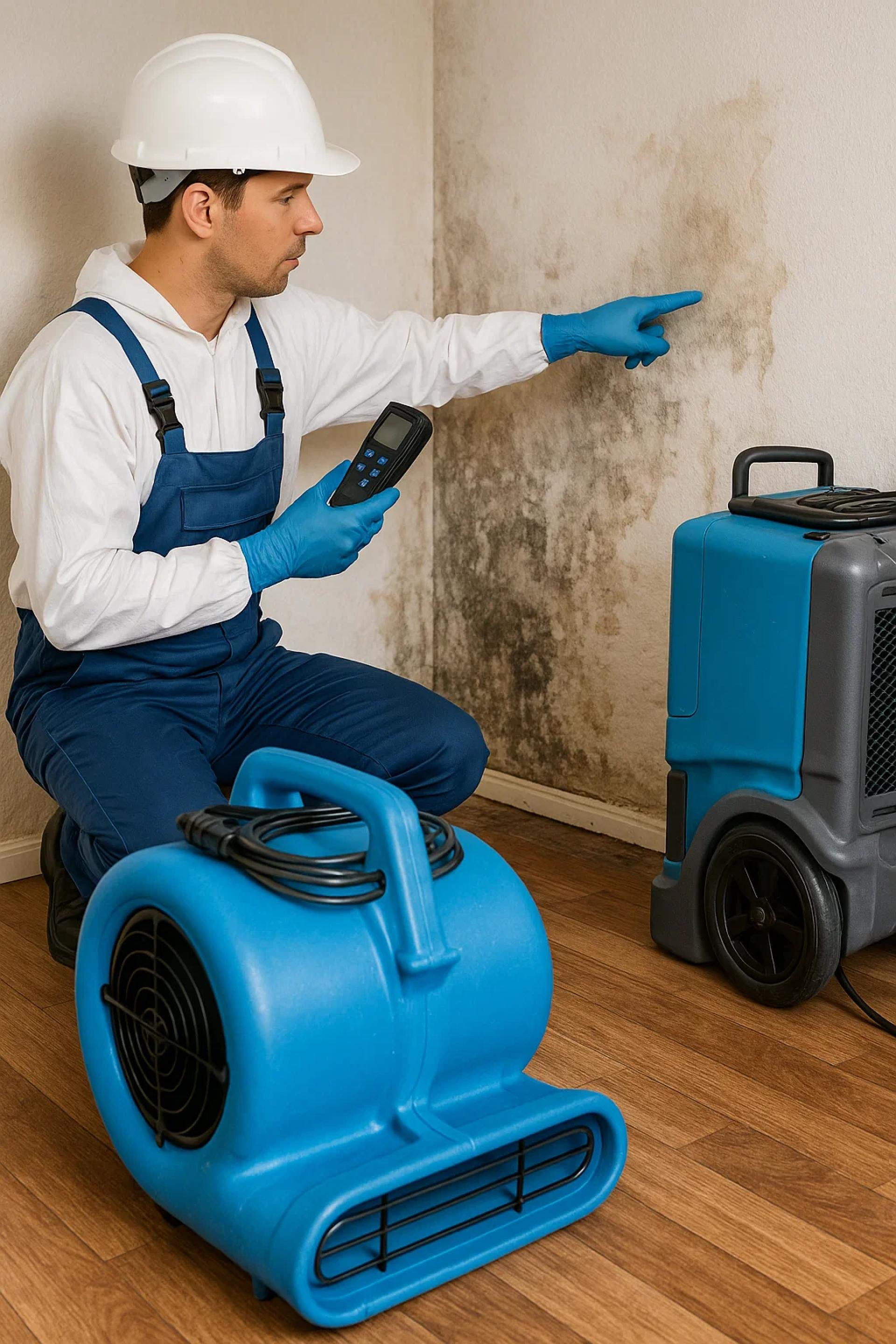
The next step involves drying once water has been extracted and unsalvageable items removed. Industrial fans and dehumidifiers run around the clock to remove any hidden moisture. Depending on humidity levels and the size of the property, this stage may take several days. Crews carefully monitor equipment and ambient conditions, adjusting settings as needed. Thorough drying prevents mould and mildew growth and protects the building’s integrity.
5. Cleaning and Sanitising
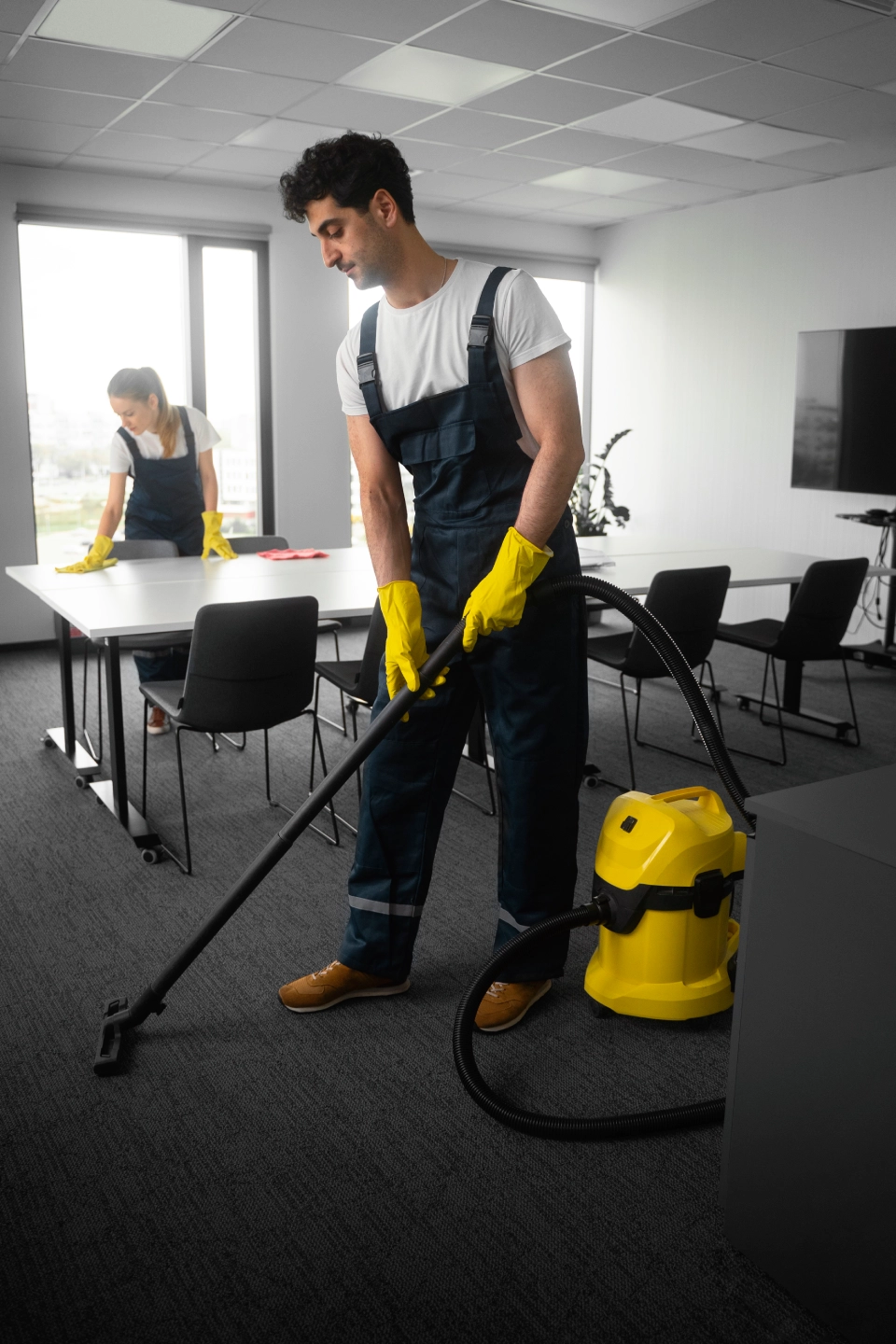
Surfaces are then dried completely to ensure they are clean and free of dust. Specialised solutions are used to disinfect floors, walls, and personal items. This process destroys bacteria and eliminates odours caused by the flood. Air scrubbers improve indoor air quality by removing contaminants. A thorough clean prevents future health issues for residents and workers.
6. Structural Repairs
Once the property is dried and cleaned, repairs can begin. Restoration may include replacing drywall, installing new flooring, or repairing woodwork. Repairs are consistent with the materials and finishes of the building. Expert technicians integrate the work within existing structures. This phase focuses on restoring both the appearance and function of the property.
7. HVAC and Electrical System Checks
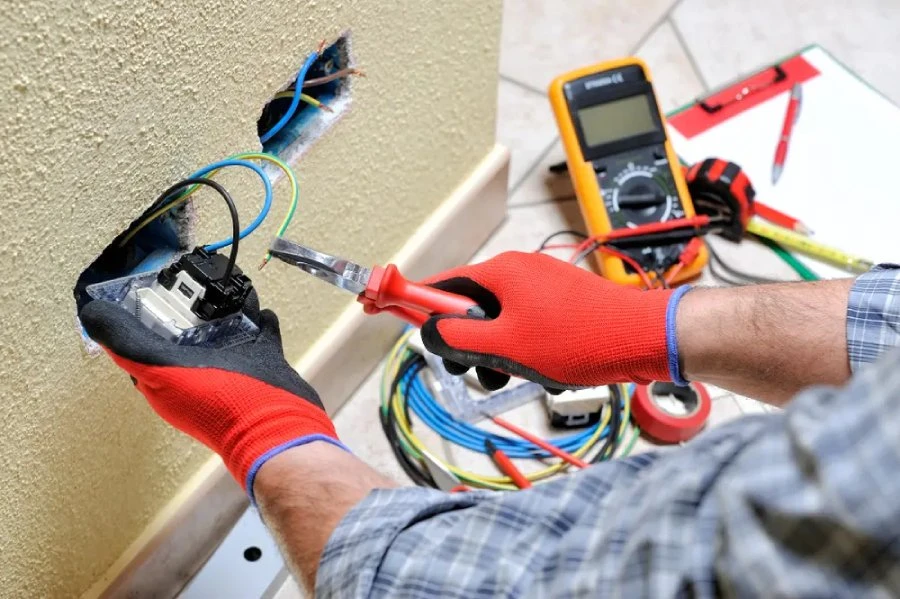
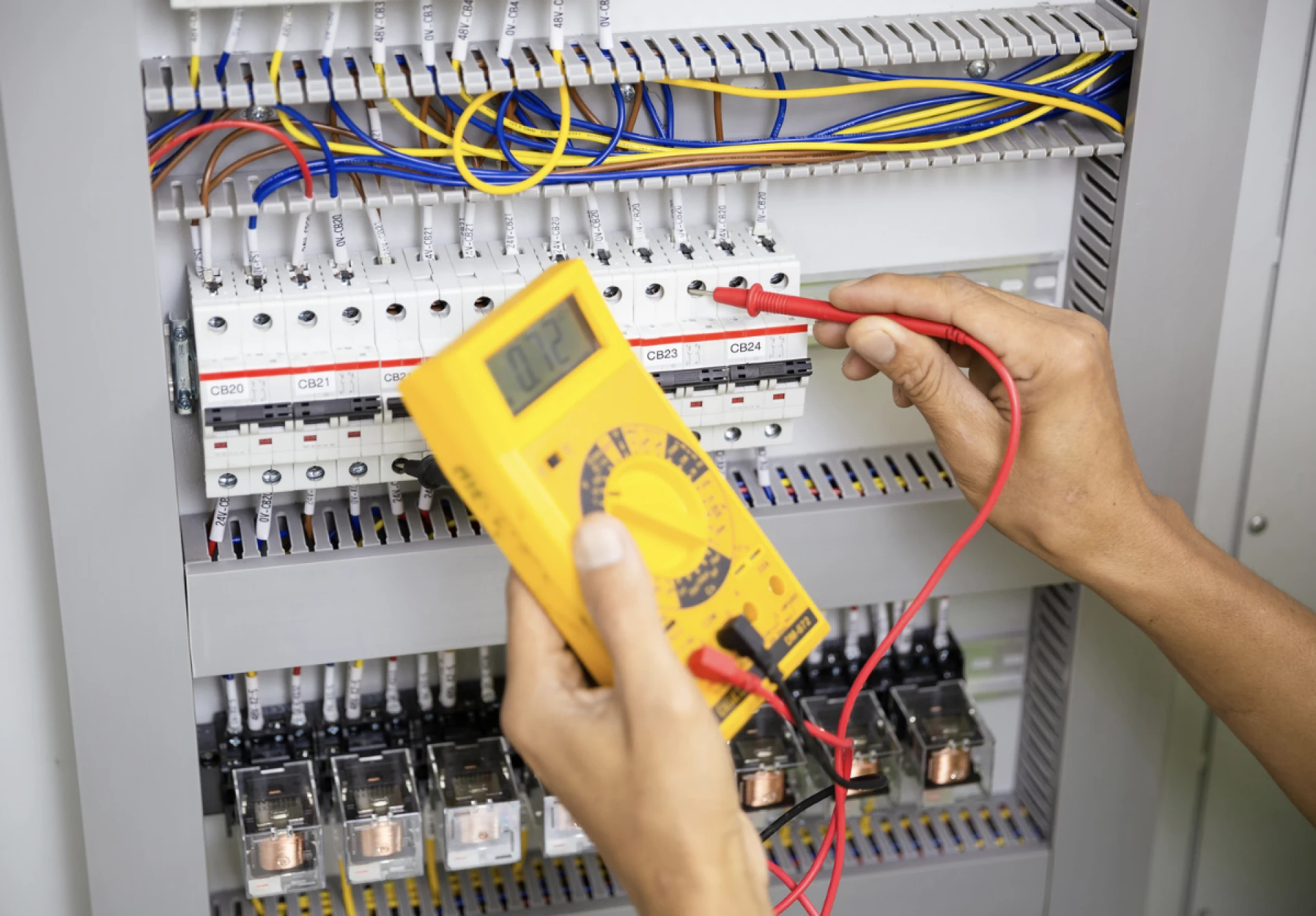
Floods often damage heating, ventilation, air conditioning, and electrical systems. Technicians inspect these systems for damage or contamination. Special attention is given to wiring and outlets due to potential safety hazards. Components are cleaned or replaced as required. Ensuring these systems operate safely protects occupants and maintains comfort levels.
8. Insurance Coordination
Flood restoration often involves working closely with insurance providers. Every step is documented to support claims. Timely reimbursement relies on clear communication with insurance agents. Restoration teams assist property owners with paperwork and claim processes. Accurate records ensure a fair settlement and enable owners to resume repairs quickly.
Conclusion
Professional flood restoration follows a detailed process to return properties to safe, liveable conditions. From the initial assessment to the final inspection, every step has a purpose. Rapid response and professional care minimise damage and support recovery. Understanding what to expect makes dealing with the aftermath less overwhelming. By trusting experienced teams, communities can be restored safely and securely.


















Sign in to leave a comment.