

Introduction
In a world of escalating cyberattacks, misconfigured authentication systems are low-hanging fruit for hackers. Still using static API keys or outdated session tokens? That’s like leaving your front door wide open and wondering why things go missing. According to the 2023 Verizon Data Breach Investigations Report summary, over 74% of breaches involved human elements such as misused credentials, privilege abuse, or poor access control, highlighting the critical need for smarter authentication mechanisms. It’s time to unlock the real power of OAuth 2.0 authorization framework and JSON Web Tokens (JWT) to harden your web app or API security like a pro.
Let’s dive into 6 smart ways these tools can transform your web app security—and frustrate hackers in the process.
1. Short-Lived Tokens + Rotation = Token Hygiene 🧼
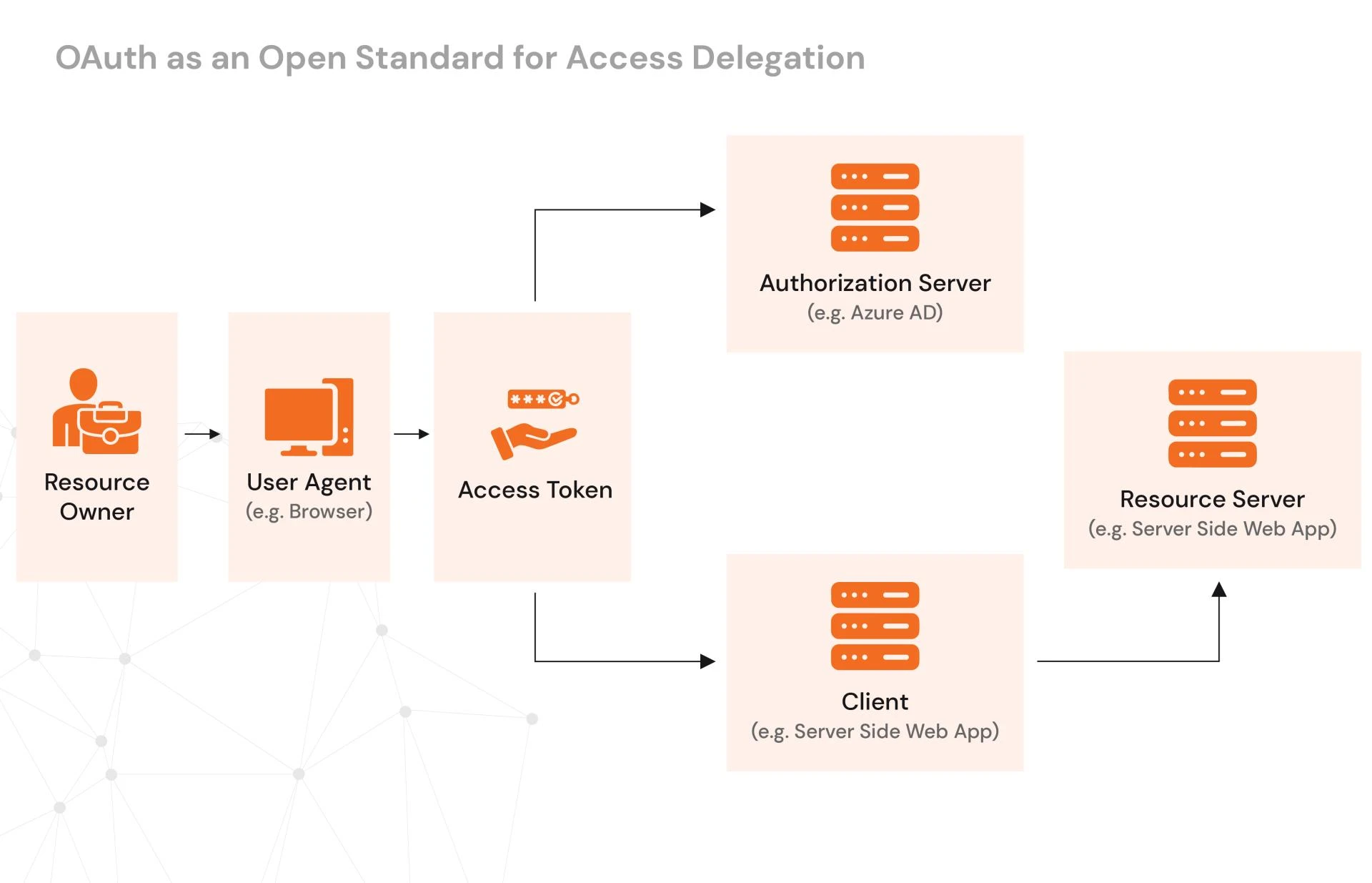
Long-lived tokens are a hacker’s paradise. If compromised, they give long-term access to sensitive resources. Instead:
- Use short-lived access tokens (e.g., 15 minutes)
- Use refresh tokens to renew them securely
- Apply rotation to refresh tokens
This ensures tokens are short-lived and can't be replayed. JWT best practices from OWASP emphasize this hygiene as foundational.
Example:
// Sample decoded JWT claims
{
  "iss": "https://secure.example.com",
  "sub": "user123",
  "exp": 1715871600,
  "scope": "read:profile write:posts"
}
2. Validate Audience (aud) and Issuer (iss) Claims 🕵️
Hackers often attempt to reuse JWTs issued for different applications. Mitigate this by validating the token’s aud (intended audience) and iss (trusted issuer).
if (decodedJWT.aud !== expectedAudience || decodedJWT.iss !== expectedIssuer) {
  throw new Error("Invalid token source");
}
This thwarts misuse and enforces token scoping.
3. Signed + Encrypted JWTs = Double Trouble for Hackers 🔐
While signed JWTs (JWS) ensure authenticity, encrypted JWTs (JWE) ensure confidentiality. Combining both makes intercepting and tampering nearly impossible.
Use Case:
- Sign with RS256 (asymmetric key)
- Encrypt with AES256
This dual layer ensures even intercepted tokens remain unreadable and unforgeable.
4. Scope-Based Access Control 🎯
OAuth 2.0 supports fine-grained authorization using scopes like read:profile or admin:write.
Benefits:
- Least privilege enforcement
- Dynamic permission granting
if (!decodedJWT.scope.includes("admin:write")) {
  throw new Error("Unauthorized action");
}
Scoped access significantly reduces the blast radius of credential compromise.
5. Token Introspection & Revocation 🚨
OAuth 2.0 supports a token introspection endpoint, which allows servers to check token validity in real time. Combine this with a revocation list to invalidate access immediately when a token is:
- Compromised
- No longer needed
This is critical for enterprise environments and distributed microservices.
6. Bonus: Use PKCE for Public Clients 🧠
Proof Key for Code Exchange (PKCE) is a vital enhancement for OAuth authorization code flow, especially in SPAs and mobile apps. It eliminates the threat of code interception by binding the authorization code to the original request.
How AQe Digital Can Help You Implement OAuth & JWT
At AQe Digital, your digital transformation partner, we help businesses like yours build secure, scalable web and mobile applications. Our experts implement advanced authentication flows with OAuth 2.0, secure JWT handling, token lifecycle strategies, and microservice-ready security models. We go beyond code, ensuring alignment with compliance, scalability, and performance needs.
Whether you're upgrading legacy systems or starting from scratch, AQE Digital simplifies your security transformation with cutting-edge technology, deep consulting expertise, and 27+ years of industry experience.
Final Thoughts
OAuth 2.0 and JWTs are not just fancy tech acronyms. They’re your frontline defense against account takeover, session hijacking, and data exposure. From rotating short-lived tokens to encrypted JWTs and real-time introspection, these tools empower your app with smarter access management.
Want to go deeper? Read this blog to get detailed insights on how to implement OAuth & JWT securely.





























Sign in to leave a comment.