
As exam season approaches, the pressure to perform can often feel overwhelming. Long hours spent hunched over textbooks, staring at screens, or sitting at a desk can lead to poor posture, physical discomfort, and increased stress. While it’s natural to focus on the material, it’s essential to pay attention to how your body feels, too. Your posture plays a critical role in not only your physical comfort but also in managing stress and maintaining focus.
In this blog, we’ll explore the link between posture and stress, and offer you simple but effective exercises that will help you improve your posture, reduce stress, and feel more confident and energized during your exam preparation. These posture-correcting exercises are designed to help you sit and stand strong, so you can stress less and perform at your best. Let’s dive into how making small adjustments to your body can make a world of difference during exam season.
Why Posture is Key to Stress Management
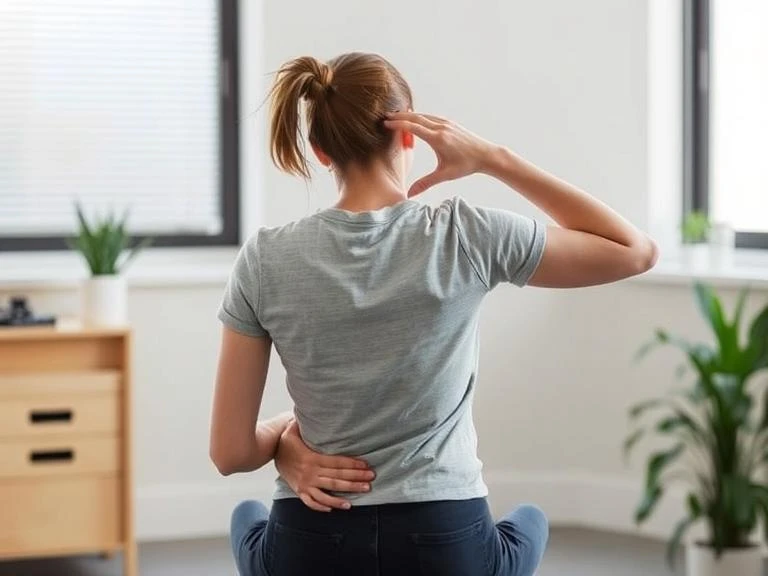
Good posture is essential for your overall well-being. When you sit or stand with correct posture, you allow your spine to align properly, which helps reduce muscle strain and tension. Poor posture, however, can lead to discomfort, fatigue, and increased stress. For many students, long hours of study sessions often result in slouching or hunching over, which can cause neck and back pain, reduce blood circulation, and even affect your breathing.
When your body is uncomfortable, it’s harder to concentrate and focus on the material at hand. The physical stress from poor posture can amplify the mental stress of exams, making it even harder to manage your emotions during this high-pressure time. By correcting your posture, you can improve both your physical comfort and mental clarity, which will allow you to focus better and reduce exam-related stress.
Top Posture-Correcting Exercises for Exam Success
Below, we’ve outlined some effective and easy-to-follow exercises that can help you correct your posture and relieve the tension built up from long hours of study. By incorporating these exercises into your routine, you can improve your posture, reduce physical discomfort, and ease your stress.
1. Seated Chest Opener
When you’re sitting for long periods, your chest muscles can become tight, causing a slouched posture. The seated chest opener is an excellent stretch to counteract this, helping to open up the chest, improve breathing, and reduce tension.
How to Do It:
- Sit up straight in your chair with your feet flat on the floor.
- Clasp your hands behind your back, fingers intertwined.
- Gently lift your hands toward the ceiling while pressing your chest forward, opening up the front of your body.
- Hold this position for 20-30 seconds, feeling a stretch across your chest and shoulders.
- Repeat 2-3 times.
This exercise helps counteract the forward slouch, allowing your chest to expand and improving your breathing. It’s perfect for those long study sessions when your body starts to tense up.
2. Shoulder Blade Squeeze
The shoulder blade squeeze is a great exercise to improve posture by strengthening the muscles in your upper back. These muscles help support your spine, which will help you sit and stand tall while reducing slouching.
How to Do It:
- Sit or stand tall with your shoulders relaxed.
- Squeeze your shoulder blades together as if trying to pinch a pencil between them.
- Hold for 5-10 seconds, then relax and repeat 10-15 times.
This simple yet effective exercise activates the muscles of your upper back and shoulders, which are essential for maintaining proper posture during your study sessions.
3. Neck and Upper Back Stretch
Study sessions can lead to neck stiffness and upper back pain, both of which are common consequences of poor posture. This stretch helps alleviate tension in the neck and upper back, helping you feel more relaxed and at ease.
How to Do It:
- Sit or stand tall with your spine straight.
- Gently tilt your head to one side, bringing your ear toward your shoulder.
- Hold this position for 20-30 seconds, then repeat on the other side.
- For an added stretch, clasp your hands behind your back while holding the stretch.
This exercise will help release tightness in your neck and upper back, allowing you to sit and study more comfortably.
4. Cat-Cow Stretch
The cat-cow stretch is a dynamic yoga movement that gently mobilizes the spine, improving posture and alleviating tension in the back. It’s especially helpful after long hours of sitting.
How to Do It:
- Begin on all fours with your hands under your shoulders and your knees under your hips.
- Inhale as you arch your back, dropping your belly toward the floor and lifting your chest (Cow pose).
- Exhale as you round your back, tucking your chin to your chest and pulling your belly button toward your spine (Cat pose).
- Repeat this movement for 10-15 breaths, flowing gently between each position.
This exercise stretches and strengthens the muscles along your spine, improving flexibility and helping to release tension.
5. Wall Angels
Wall angels are an excellent exercise for strengthening the muscles that support your posture, particularly the upper back and shoulders. They’re great for promoting good alignment and preventing slouching.
How to Do It:
- Stand with your back against a wall, ensuring your head, shoulders, and lower back are touching the wall.
- Raise your arms to a 90-degree angle, like you’re making a goalpost with your arms.
- Slowly raise and lower your arms while keeping your elbows and wrists in contact with the wall.
- Repeat 10-15 times, holding each position for 3-5 seconds.
This movement activates your shoulder muscles and helps improve upper back strength, which is crucial for maintaining good posture.
The Mental Benefits of Posture Correction
While these exercises are effective at improving physical posture, they also provide mental benefits that are essential for reducing exam stress. Here's how good posture impacts your mind and body:
- Improved Breathing: Correct posture allows for better lung expansion and deeper breathing. Deep breathing helps activate your body’s relaxation response, reducing anxiety and promoting a sense of calm.
- Increased Blood Flow to the Brain: When you sit or stand with good posture, blood circulation to your brain is optimized. This helps increase oxygen delivery to the brain, which can improve focus, clarity, and cognitive function—perfect for when you need to retain information for exams.
- Reduced Muscle Tension: Poor posture can lead to tension in the neck, shoulders, and back, which can escalate into headaches or discomfort. By practicing posture-correcting exercises, you can alleviate this tension and create a more relaxed environment for your body and mind.
- Boosted Confidence: Good posture doesn’t just make you look taller and more alert—it also has an impact on how you feel. Standing tall or sitting up straight can increase your sense of confidence, which can reduce feelings of anxiety before exams.
Additional Tips for Managing Exam Stress
Along with posture exercises, here are a few more strategies to help you manage exam stress and enhance your study routine:
- Take Breaks: Sitting for long hours can cause fatigue and make it harder to focus. Aim to take a 5-10 minute break every hour. Use this time to stand, stretch, and move around.
- Hydrate and Eat Well: Your body and brain need proper fuel to function optimally. Drink plenty of water, eat balanced meals, and avoid excessive caffeine or sugary snacks.
- Get Quality Sleep: Sleep is crucial for memory consolidation and focus. Aim for 7-9 hours of sleep each night to ensure your brain is refreshed and ready for exam day.
- Practice Mindfulness: Incorporate relaxation techniques, like meditation or deep breathing, into your routine to manage stress and stay calm.
Conclusion
Correct posture is one of the simplest and most effective ways to reduce stress and enhance focus during exam season. By incorporating posture-correcting exercises into your daily study routine, you can ease physical discomfort, boost your mental clarity, and feel more confident when it’s time to tackle your exams. Remember, stress doesn’t have to be your constant companion during exams. With the right posture, breathing techniques, and physical care, you can stand strong and study smarter.
For more expert tips on improving posture, managing stress, and optimizing your health during exam season, visit Top Health Coach, your go-to resource for holistic wellness and exam success!
































Sign in to leave a comment.