
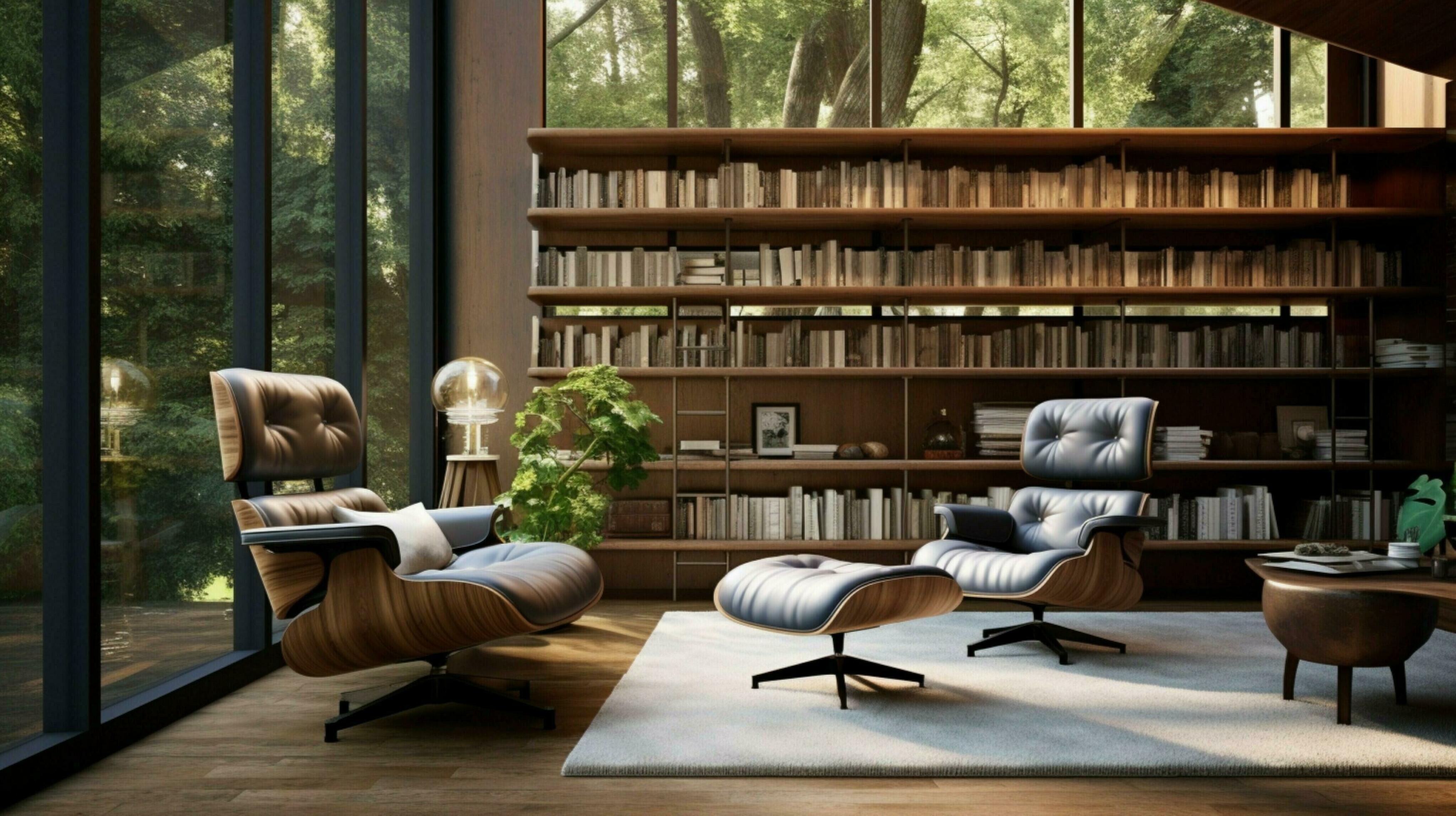
Your bookshelves possess potential far exceeding simple storage. These vertical expanses offer an open space for personal expression, artistic arrangement, and interior styling. A well-styled bookshelf acts as a focal point in a room, drawing the eye and telling a story through a collection of cherished items. By approaching your shelving with a curator’s eye, you transform a simple storage solution into a stunning visual feature. This guide explores the steps to arranging books and objects, creating balance, and mastering the art of display.
The Foundation: Preparing Your Space
Great interior design begins with a clean slate. Emptying your shelves completely allows you to see the space anew. This process lets you assess the available height, depth, and width of each section. Dusting the empty shelves prepares the surface for a fresh arrangement.

During this phase, group your items on a table or the floor. Separate your collection into distinct categories: large hardcovers, smaller paperbacks, sculptural objects, framed art, and natural elements like plants or geodes. Seeing everything at once helps you identify color themes and textures. You might notice a prevalence of blue spines or a collection of brass accents. These observations will guide your placement decisions later.

Consider the shelves themselves. If the backing is dark, it will absorb light and make the objects pop. If the backing is white or light wood, it creates an airy, open feel. You can even line the back of the shelves with wallpaper or a contrasting paint color to add depth before you place a single item.
Step 1: Establishing Anchors
Start by placing your largest items first. These pieces act as anchors, grounding the arrangement and guiding the viewer's eye. Large art books, substantial vases, or decorative boxes work well for this purpose. Distribute these heavier visual elements throughout the unit in a zig-zag pattern.

Place one heavy item on the top left, another on the middle right, and a third on the bottom left. This technique keeps the eye moving across the entire display. These anchors provide stability to the overall composition. They establish a sense of scale and prevent the arrangement from looking cluttered with tiny items.
Step 2: The Dance of Books
Books remain the heart of any bookshelf. The way you arrange them defines the rhythm of the display. Alternating between vertical and horizontal stacking creates dynamic visual interest.

Vertical Rows Vertical rows are the traditional method, offering a library-like appeal. Keep these rows loose and relaxed. Use decorative bookends to hold them in place. Grouping books by height creates a disciplined, orderly look, while mixing heights offers a casual, lived-in vibe. For a cohesive aesthetic, you can group books by spine color. An ombre effect, transitioning from dark to light, adds a sophisticated touch.

Horizontal Stacks Horizontal stacks act as shelves within shelves. They break up the vertical lines and provide a pedestal for other objects. Stack three to five books horizontally, placing the largest book at the bottom. This pyramid structure looks stable and intentional. Ensure the spines face outward and align with the front edge of the stack. A horizontal stack provides the perfect stage for a small bowl, a magnifying glass, or a decorative knot.
Step 3: Layering Sculptural Objects
With your anchors and book stacks in place, the shelves now have a structure. The next step involves adding personality through objects. This is where you introduce texture, shape, and history.

Select items that contrast with the rectangular forms of the books. Round vases, organic driftwood, spherical paperweights, or curvaceous sculptures soften the straight lines of the shelving and books. Metallic accents in brass, gold, or silver catch the light and add a touch of glamour.

Think about depth as you place these items. Position some objects near the front of the shelf and push others slightly back. This layering effect creates a three-dimensional scene rather than a flat display. A small framed print can lean against the back of the shelf, sitting behind a low stack of books. This overlap connects the different elements, making them feel like a unified collection.
Step 4: Introducing Art and Photography
Bookshelves offer an ideal spot for displaying art. You can lean framed photographs, small paintings, or prints directly on the shelves. This casual method of display allows you to rotate art easily.

For a bold statement, hang a piece of art on the frame of the bookshelf itself, covering part of the shelves. This breaks the grid and adds an unexpected layer. When choosing frames, coordinate them with your overall room palette. Uniform frames create a gallery feel, while mixed vintage frames add eclectic charm.

Art brings color and emotion to the shelves. It breaks up the repetition of book spines and adds a personal narrative. A black-and-white family photo adds nostalgia, while a modern abstract print injects energy.
Step 5: The Breath of Life
Every styled space benefits from a touch of nature. Plants bring vibrancy, organic shapes, and a pop of green that enlivens the display.

Trailing plants, such as pothos or ivy, work beautifully on higher shelves, drawing the eye downward. Succulents and small cacti are perfect for filling small gaps or topping horizontal book stacks. The texture of the foliage contrasts wonderfully with the smooth paper of books and the hard surfaces of ceramics.

If natural light is scarce, high-quality faux botanicals or dried florals offer a similar effect. A vase of dried wheat or a piece of coral also counts as a natural element, adding texture without the need for maintenance.
Vertical vs. Horizontal
Achieving a professional look relies on balancing your vertical and horizontal elements. If every shelf features only vertical rows of books, the result looks like a public library. If everything lies horizontally, it looks like a storage room.

The goal is to create a visual rhythm. Imagine a musical score; the vertical books are the steady beat, while the horizontal stacks are the accents.
The Rule of Thirds: Visually divide each shelf into thirds. You might fill the left third with vertical books, leave the middle third open (negative space), and place a sculptural object in the right third.

Triangulation: create visual triangles with your object placement. If you have a gold bowl on the top left shelf, place a gold frame on the middle right, and a gold bookend on the bottom left. Your eye naturally connects these points, creating a sense of unity.

Weight Distribution: Visual weight matters. Darker colors and larger items look heavier. Place visually heavy items on the lower shelves to ground the unit. Lighter, delicate items belong on the upper shelves to maintain an airy feel.
The Power of Negative Space
One of the most important elements of styling is emptiness. Negative space—the empty areas on the shelf—allows the eye to rest. It highlights the items you have chosen to display.

Resist the urge to fill every inch. Leave some gaps between bookends and the wall. Let a horizontal stack sit alone on a shelf section. This openness creates a sense of luxury and curation. It shows that you value the objects enough to give them room to breathe.

Negative space also emphasizes the architecture of the bookshelf itself. It reveals the back panel and the shelf thickness, celebrating the structure of the piece.
Color Coordination and Coding
Color plays a massive role in the final look of your bookshelf. You have several strategies to consider:
The Monochrome Look: For a serene and minimalist effect, wrap your books in matching paper or choose books with spines in a single shade, like white or cream. This unifies the collection and reduces visual noise.

The Rainbow Method: Arranging books by color creates a playful, organized visual. You can block colors together—all reds, then all oranges—or let them transition smoothly from one hue to the next. This works well in creative spaces or children's rooms.

The Edited Palette: Select two or three accent colors that exist elsewhere in the room. If your sofa has teal cushions and you have a brass lamp, use teal and brass elements on the shelves. This ties the bookshelf into the wider room design.
Textural Interplay
Texture adds richness and warmth. A bookshelf filled only with glossy paper jackets can feel cold. Introduce variety through materials.
Woven baskets: These conceal clutter while adding natural warmth.
Leather: A leather-bound book or a leather box adds sophistication.

Stone and Marble: Bookends made of marble or granite introduce solidity and cool touch.
Wood: Wooden bowls or beads bring an organic, earthy feel.
Mixing these textures creates a tactile experience. It invites people to look closer and appreciate the details.

Lighting the Display
Proper lighting elevates your styling. It transforms the bookshelf from a dark corner into a bright feature.
Picture Lights: Installing library lights or picture lights at the top of the unit casts a warm glow downward, illuminating the items below.
Internal LED Strips: placing LED strips along the underside of shelves creates a modern, floating effect.

Table Lamps: If the shelves allow, placing a small, battery-operated lamp on a shelf adds a cozy, ambient light source.
Light highlights the colors and forms of your arrangement. It creates shadows and depth, making the display look dramatic in the evening.
Practical Organization Tips
While aesthetics are paramount, the shelves must still work for you. Keep the items you use frequently within easy reach.
Eye-Level Placement: Place your favorite novels or reference books at eye level.

Lower Storage: Use the bottom shelves for heavy art books or bins that hold toys, cables, or papers. Baskets and bins offer a way to hide necessary items while maintaining the visual aesthetic.
Upper Reach: Reserve the highest shelves for decorative items or books you rarely access.

Final Adjustments
Once you place everything, step back. Move to the other side of the room and observe the entire unit.
Look for balance. Does one side look heavier than the other? Is there too much color in one spot? Adjust as needed. Swap a stack of books with a vase. Move a plant to a different shelf.

Styling especially for luxury library interior design is an iterative process. It requires shifting and tweaking until it feels right. Trust your intuition. If something feels off, try moving it. Often, simply swapping two items solves the visual puzzle.
A Dynamic Display
Your bookshelf styling is never permanent. It can evolve with the seasons or your changing tastes. In autumn, you might add warm-toned objects and dried leaves. In spring, you might introduce fresh greens and pastel ceramics.

This flexibility keeps the room feeling fresh. It allows you to showcase new acquisitions or rotate your collection. Your bookshelves become a living part of your home, constantly expressing your current interests and style.
Conclusion
Turning your bookshelves into a curated display elevates the entire atmosphere of your room. It changes a simple storage unit into a gallery of your life and interests. By mixing vertical and horizontal stacks, layering objects, and respecting negative space, you create a visual experience that delights and inspires.
Remember that this process is personal. The objects you choose to display tell your story. Whether you prefer a minimalist arrangement or a maximalist collection, the principles of balance and composition remain the same.
Embrace the opportunity to design home library interior a space that brings you joy every time you look at it. Your shelves offer a vertical stage for creativity. Fill them with things you love, arrange them with care, and enjoy the beauty of a well-organized, stylish home.























Sign in to leave a comment.