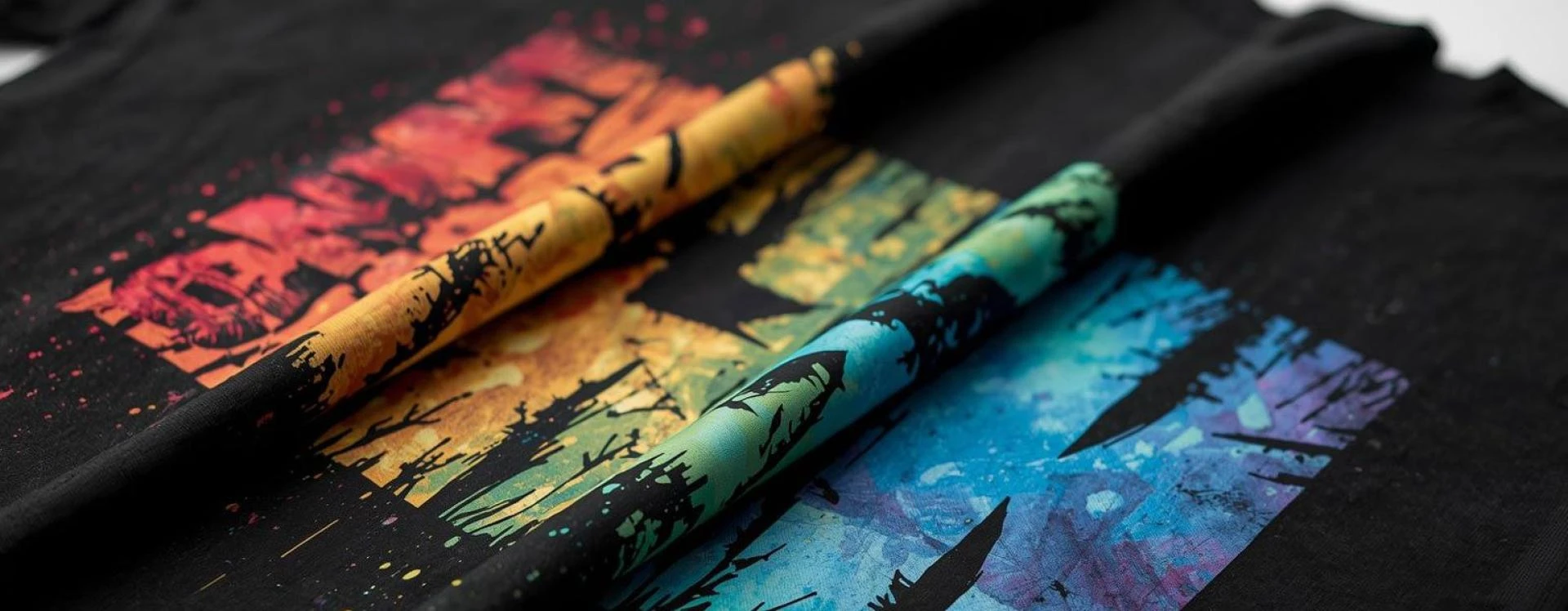

Sublimation printing on dark fabrics is one of those things that everyone in the industry talks about, yet many people quietly struggle with. It’s common, it’s in demand, and it looks fantastic when done well—but it’s also one of the easiest ways to waste time, materials, and money if you don’t understand the fundamentals.
If you’ve ever tried sublimating on a black cotton T-shirt using the same method you’d use for a white polyester one, you’ve probably seen the result already: faded colours, invisible designs, or nothing transferred at all.
The issue isn’t your press, your ink, or your settings.
It’s physics, chemistry, and material compatibility.
This article breaks down why sublimation fails on dark cotton by default, the methods that actually work in real production, and how to choose the right approach depending on your goals—whether you’re a hobbyist, a small business, or scaling up production.
Why Traditional Sublimation Fails on Dark Cotton
Before exploring solutions, it’s important to understand the limitations of sublimation itself. Sublimation isn’t “ink printing” in the traditional sense—it’s a dye process with very specific requirements.
Cotton Has Nothing for Sublimation Dye to Bond To
Sublimation ink turns into a gas under heat and pressure. That gas bonds permanently with polyester polymers.
Cotton fibres don’t contain those polymers.
So when sublimation ink is applied directly to cotton, there’s nothing for the dye to chemically attach to. At best, the colour sits weakly on the surface. At worst, it disappears completely after pressing or washing.
Dark Fabrics Absorb Light—Not Sublimation Ink
Even if bonding weren’t an issue, sublimation inks are transparent, not opaque.
On a white surface, they look vibrant because light reflects back through the colour.
On black or dark fabric, that light is absorbed—so the colour vanishes.
This is why standard sublimation works beautifully on white or light polyester, but fails on dark cotton without modification.
Why Dark Cotton Sublimation Is Still Worth Doing
Despite the challenges, demand for dark cotton sublimation hasn’t slowed down. In fact, it’s grown.
Customers want:
- Black and navy T-shirts
- Cotton comfort
- Streetwear and minimalist aesthetics
- Logos and designs that feel premium, not plastic-heavy
As a result, the industry has developed practical workarounds that allow sublimation-quality prints on dark cotton—provided you accept one key principle:
You must introduce a white, polyester-rich layer between the ink and the fabric.
Once you understand that, everything else makes sense.
Proven Methods for Sublimating on Dark Cotton Shirts
Below are the most reliable and widely used techniques, tested by small shops, print studios, and professional decorators.
1. Sublimation Heat Transfer Vinyl
This is the most popular and accessible solution—and for good reason.
How it works:
- Cut a white sublimation-compatible HTV.
- Heat press it onto the cotton shirt.
- Sublimate your design onto the HTV.
The HTV acts as a polyester-coated base, allowing the sublimation ink to bond properly.
Why it’s effective:
- Bright, vibrant colours on dark fabrics
- Strong wash durability
- Consistent results
- Easy to scale for bulk orders
Things to keep in mind:
- There is a vinyl “feel,” though modern sublimation HTVs are much softer than older types.
- Requires cutting and weeding, which adds time.
For personalised apparel, small businesses, and event merchandise, this method delivers reliable, professional results.
2. White Sublimation Flock
Sublimation flock is a polyester-rich, textured material that has gained popularity in recent years—especially in fashion-forward and premium applications.
Process overview:
- Cut the flock material using a vinyl cutter.
- Press it onto the cotton garment.
- Sublimate directly onto the flocked area.
Advantages:
- Deep colour saturation
- Soft, velvety texture
- Strong durability
- Distinct, premium look
Compared to flat HTV, flock adds dimension and tactile appeal. It’s particularly popular for branding, logos, and statement designs where texture matters.
3. Cotton-Compatible Sublimation Transfer Paper
Some specialty sublimation papers are designed specifically for cotton and dark fabrics. These papers apply a polymer coating during heat pressing, creating a temporary sublimation-friendly surface.
How it works:
- Print your design onto the specialty paper.
- Press it onto the garment.
- The coating bonds with the fabric and holds the ink.
Benefits:
- No vinyl layer
- More natural fabric feel
- Good for photographic designs
Limitations:
- Durability varies by brand
- Slightly reduced breathability
- Less forgiving with incorrect settings
This option works well when avoiding vinyl textures is a priority, but testing is essential before production runs.
4. Sublimated White Patches or Panels
Instead of printing directly on the shirt, some decorators sublimate onto pre-coated white patches, then press those onto the garment.
This approach is common for:
- Workwear
- Uniforms
- Logos
- Children’s clothing
- Bulk merchandise
Why it works:
- Extremely clear, vibrant prints
- Works on any fabric colour
- Industrial-level durability
While less seamless than direct HTV, patches offer consistency and professional uniformity—especially in large-scale production.
How Dark Cotton Sublimation Differs from Standard Sublimation
Understanding these differences helps avoid unrealistic expectations and pricing mistakes.
You’re Adding an Extra Production Layer
On white polyester:
- Print → Press → Done
On dark cotton:
- Cut
- Weed
- Pre-press
- Apply the base layer
- Sublimate
This extra workflow increases labour time and material cost.
The Ink Doesn’t Become Part of the Fabric
With true sublimation, the dye becomes part of the polyester fibre itself.
With dark cotton methods, the ink bonds to the added layer, not the cotton.
This affects:
- Texture
- Breathability
- Print feel
White Is Non-Negotiable
Because sublimation ink is transparent, every successful dark-cotton method uses a white base.
There are no exceptions to this rule.
Durability Varies by Method
- Sublimation HTV and flock: high durability
- Cotton sublimation papers: medium durability
- Patches: extremely durable
Matching the method to customer expectations is critical.
Practical Tips for Better Results on Dark Cotton
Even the best materials can fail with poor technique. These tips make a noticeable difference.
Always Pre-Press the Garment
Cotton retains moisture. Pre-pressing removes it and creates a smooth surface for adhesion.
Follow Exact Temperature and Pressure Settings
Dark cotton requires firm, even pressure. Guesswork leads to inconsistent bonding.
Use High-Resolution Artwork
Dark garments highlight flaws. Clean edges and sharp designs matter more than ever.
Test Wash Durability Before Scaling
Different materials behave differently. A wash test saves refunds and complaints later.
Choosing the Right Method for Your Needs
There is no single “best” solution—only the right one for your application.
- Personalised gifts: Sublimation HTV
- Premium branding: Sublimation flock
- Soft feel priority: Cotton sublimation paper
- Uniforms and logos: Sublimated patches
Understanding your customer, your workflow, and your pricing structure is more important than chasing the latest trend.
Why Mastering Dark Cotton Sublimation Matters
Dark cotton sublimation sits at the intersection of technical skill and creative demand. It’s challenging enough to scare off beginners—but rewarding enough to set skilled printers apart.
Once you accept that dark cotton requires a white, polyester-friendly base, the process stops feeling frustrating and starts feeling intentional.
And when done correctly, the results don’t just look good—they last, perform, and meet customer expectations.
That’s the difference between experimenting and producing with confidence.


























Sign in to leave a comment.