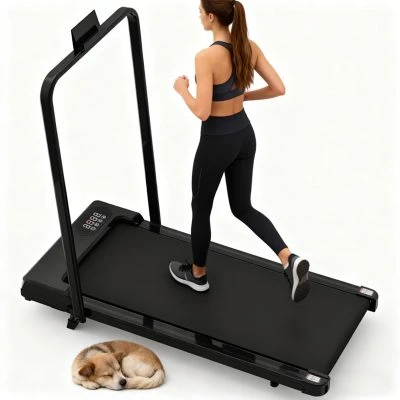

For many people in the UK, exercising at home has become part of daily life. With busy work schedules, unpredictable weather, and rising gym costs, a home treadmill is often the most practical way to stay active. However, while running indoors is convenient, it can quickly become a problem in flats, terraced houses, or converted buildings where sound travels easily between floors and walls.
It’s a situation many homeowners and tenants experience sooner or later. You start a workout feeling motivated, only to wonder whether the steady thumping of your footsteps is echoing through the ceiling below or along shared walls. In some cases, neighbours may even raise complaints, turning a healthy routine into a source of stress.
The good news is that treadmill noise in a flat or shared property is usually manageable. By understanding how noise travels in UK homes and applying a few simple adjustments, you can significantly reduce treadmill vibration and sound without giving up your workout routine.
Why Treadmills Sound Louder in UK Homes
To reduce treadmill noise effectively, it helps to understand why indoor running often sounds louder than expected.
Flooring Structure Amplifies Vibration
Many UK flats and older homes use timber floor joists rather than solid concrete bases. Timber floors naturally flex slightly when weight is applied, which can amplify vibration from running movements. Each step creates impact energy that travels through floorboards and structural beams, sometimes reaching neighbouring properties.
Compact Living Spaces Increase Sound Reflection
Flats and smaller houses typically have shorter distances between rooms and shared walls. Sound waves bounce off hard surfaces like laminate flooring, plaster walls, and ceilings, making treadmill noise appear louder than it actually is.
Motorised Equipment Produces Constant Background Noise
Even high-quality treadmills generate a low humming sound from the motor and moving belt. While this may seem quiet inside the room, constant vibration can travel through the building structure over time.
Poor Equipment Maintenance Makes Noise Worse
Loose bolts, dry running belts, and dust build-up inside the motor compartment can all increase noise levels dramatically. Many treadmill owners overlook maintenance, which often leads to unnecessary sound problems.
Simple and Effective Ways to Reduce Treadmill Noise
Fortunately, most treadmill noise issues can be solved with practical, affordable adjustments. Many of these solutions require little effort but produce noticeable results.
Use a Thick Treadmill Mat
A treadmill mat is one of the easiest and most reliable ways to reduce treadmill vibration and noise. The mat absorbs shock from each foot strike, preventing impact energy from transferring directly into the floor.
When choosing a treadmill mat, look for:
- Thickness between 6mm and 10mm
- Dense rubber or EVA foam material
- A size that fully supports the treadmill base
For flats with laminate or wooden flooring, a treadmill mat is particularly important because hard surfaces reflect vibration rather than absorbing it. A high-quality mat also protects flooring from scratches and pressure damage.
Add Anti-Vibration Pads Under the Machine
Anti-vibration pads provide an extra layer of sound insulation by isolating the treadmill from the floor structure. These pads sit under each foot or support point of the treadmill, absorbing low-frequency vibration.
This solution is especially helpful if:
- You live above another flat
- Your building has older timber flooring
- The treadmill sits close to shared walls
When combined with a treadmill mat, anti-vibration pads can dramatically reduce noise transmission.
Position the Treadmill Carefully
Many people underestimate how much treadmill placement affects sound levels. Small adjustments can make a noticeable difference.
Avoid Placing the Treadmill Against Shared Walls
Shared walls allow vibration to travel directly into neighbouring rooms. Positioning the treadmill closer to internal walls reduces sound transfer.
Keep the Machine Away from Room Corners
Corners tend to trap and amplify vibration. Placing the treadmill slightly away from corners helps reduce echo and structural resonance.
Use Carpeted Areas Where Possible
Carpets naturally absorb impact noise. If your property includes carpeted rooms, placing the treadmill there usually reduces sound more effectively than hard flooring.
Maintain the Treadmill Regularly
Routine treadmill maintenance is often overlooked but plays a major role in noise reduction.
Lubricate the Running Belt
A dry belt increases friction, causing squeaking and extra motor strain. Most treadmills require lubrication every few months using silicone-based lubricant.
Tighten Bolts and Frame Components
Running vibrations gradually loosen mechanical parts. Checking and tightening bolts periodically prevents rattling and structural noise.
Keep the Belt Centred
A misaligned belt can rub against the treadmill frame, creating scraping sounds. Adjusting rear roller screws usually resolves this.
Clean the Motor Area
Dust accumulation inside the motor compartment can increase noise and reduce performance. Carefully vacuuming this area with the treadmill unplugged helps maintain quieter operation.
Improve Running Technique
Your running style can influence treadmill noise more than expected. Heavy foot strikes generate stronger impact vibrations that travel through the flooring.
To reduce impact noise:
- Focus on landing softly
- Shorten your stride slightly
- Avoid excessive heel striking
- Maintain steady, controlled pacing
These adjustments not only reduce noise but also improve running efficiency and reduce injury risk.
Choose Cushioned Running Shoes
Footwear plays an important role in absorbing shock. Trainers with cushioned soles reduce the force transferred from your feet to the treadmill deck.
Running barefoot or wearing flat shoes can increase impact noise and may also increase injury risk.
Use Soft Furnishings to Absorb Sound
Room layout can significantly influence noise levels. Soft furnishings act as natural sound dampeners by reducing echo and sound reflection.
Helpful additions include:
- Thick rugs
- Curtains
- Fabric sofas
- Bookcases filled with books
These items help absorb airborne noise while also improving room acoustics.
Add Acoustic Foam Beneath the Mat
For properties with thin flooring or sensitive neighbours below, placing acoustic foam beneath a treadmill mat can provide additional vibration control.
High-density gym or acoustic foam works best because it absorbs low-frequency vibration more effectively than decorative sound panels.
Consider Workout Timing
Noise concerns are sometimes less about volume and more about timing. Running early in the morning or late at night increases the likelihood of disturbing neighbours.
If possible, scheduling workouts during daytime hours can help avoid conflict, particularly in flats with shared floors.
Choosing a Treadmill Designed for Quiet Home Use
If you are planning to buy or upgrade a treadmill, selecting a model designed for home environments can help reduce future noise issues.
Features to look for include:
- Multi-layer cushioned running decks
- Low-vibration motor systems
- Compact or folding treadmill frames
- Shock absorption suspension technology
Modern home treadmills often include these features specifically to reduce sound and improve comfort.
Common Mistakes That Increase Treadmill Noise
Avoiding these frequent errors can prevent unnecessary sound problems.
- Placing the treadmill directly on hard flooring without cushioning
- Skipping regular belt lubrication
- Ignoring loose mechanical parts
- Running with overly heavy foot strikes
- Positioning the treadmill against shared walls
Correcting these mistakes often leads to immediate improvements in noise levels.
Frequently Asked Questions
How Loud Is a Typical Home Treadmill?
Most home treadmills operate between 60 and 70 decibels, similar to normal conversation levels. However, vibration transfer through flooring can make the noise seem louder to neighbours, especially in flats.
Can Downstairs Neighbours Hear a Treadmill Easily?
Yes, particularly in properties with timber flooring or thin ceilings. Impact noise from running steps travels through structural beams, which is why vibration control solutions are important.
Do Folding Treadmills Make Less Noise?
Folding treadmills are often designed for home use and may include improved shock absorption systems. While folding itself does not reduce noise, many compact models are built with quieter motors and cushioned decks.
Is It Safe to Run on a Treadmill Placed on Carpet?
Yes, as long as the treadmill remains stable and properly ventilated. Carpet can help absorb vibration, but it is still recommended to use a treadmill mat to protect both the machine and the flooring.
Making Home Fitness More Neighbour-Friendly
Running at home should feel convenient and stress-free, not a source of worry about disturbing neighbours. Fortunately, reducing treadmill noise usually requires only small adjustments, such as adding vibration mats, improving maintenance routines, and positioning equipment thoughtfully.
By understanding how sound travels through UK homes and applying practical noise reduction techniques, it’s entirely possible to enjoy regular indoor workouts while maintaining a peaceful living environment for everyone around you.






























Sign in to leave a comment.