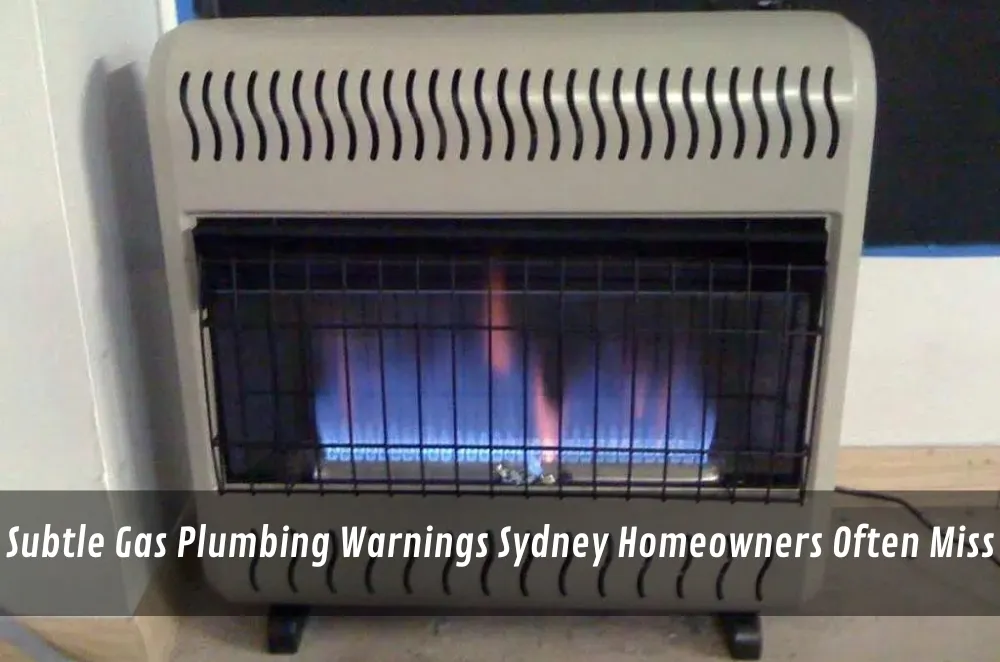

Gas lines rarely fail without sending clues first. The trouble is that those clues seldom involve dramatic hissing or the unmistakable rotten-egg smell most people associate with a leak. Catching quieter symptoms early keeps energy bills steady, prevents carbon monoxide exposure and avoids an inconvenient shut-off in the middle of a winter cold snap.
Early in the heating season, many Sydneysiders only notice a slightly yellow flame on the cooktop or a living-room heater that takes a few extra clicks to fire. Both can point to incomplete combustion or low line pressure—issues best confirmed by a licensed specialist in gas plumbing Sydney before they escalate.
That Faint Smell Isn’t Always A Gas Leak
Natural gas suppliers add mercaptan to create the classic “rotten egg” odour, but not every warning involves smell. Corroded copper, loose flare fittings or insects nesting inside an outdoor regulator can all disrupt flow long before a distinct leak develops.
Consider how line pressure behaves on cold July evenings when multiple appliances ignite at once. A cooker burner that drops height when the space heater starts is telling you the pipework is working hard. If the dip grows over weeks, the system could be straining against sediment in the isolation valve or a tiny weep at an older compression joint.
Homeowners sometimes dismiss these changes because everything still works—just a little less efficiently. Our short field guide on gas plumbing basics and upkeep breaks down how each stage of a supply line should respond under load. A quick observation during your next family dinner can reveal whether a professional pressure test is warranted.
Quick comparison: nuisance versus urgent odours
| Observation | Likely Cause | Suggested Action |
|---|---|---|
| Brief sulphur whiff near appliance start-up | Momentary unburnt gas as burner ignites | Ventilate and monitor. If it repeats daily, book a service. |
| Ongoing smell outdoors around meter box | Weathered sealing compound or loose union | Arrange licensed inspection within 24–48 hours. |
| Indoor odour that intensifies when heater cycles | Possible internal leak, faulty flexible hose | Turn off supply at isolation valve, call emergency service immediately. |
A smell that comes and goes within a second or two is often just the burner lighting. Anything longer or stronger should raise eyebrows, especially if windows are shut and the scent lingers.
When Appliances Whisper Trouble
Appliances relay valuable status reports through flame colour, ignition behaviour and even sound. A healthy blue flame with a tight centre indicates clean combustion. Orange tips, fluttering patterns or a flame that drifts away from the burner crown suggest incomplete burn or draught disturbance.
Pay attention to unusual clicks or pops from a water heater’s flue. Those noises can stem from condensate pooling in a blocked flue terminal, a fault that subtly restricts exhaust flow. While the unit might still heat water, carbon monoxide could be spilling into the cabinet each time it fires.
Flame colour cheatsheet
| Flame Appearance | Possible Issue | Risk Level |
|---|---|---|
| Deep blue, steady | Optimal combustion | Low |
| Blue with occasional yellow flicks | Minor dust or small draught | Moderate—clean and retest |
| Predominantly yellow or orange | Restricted air supply, low pressure, soot buildup | High—schedule immediate service |
After any flame adjustment or burner clean, confirm that the appliance lights promptly, without extra sparking or delayed ignition. A slow light-up can signal weak supply pressure or a failing ignition module.
Pressure Points Inside Ageing Copper Lines
Sydney’s older suburbs—think federation homes around Inner West or weatherboards on the North Shore—often retain original copper pipework from the 1970s. Copper stands up well underground but can pit from the outside when acidic soils or stray currents are present. Over decades, almost-imperceptible pits become pinholes.
During a pressure drop test, a technician may record a slow decline that standard soap testing can’t spot. The usual next step is an isolation exercise: disconnecting sections until readings stabilise. If more than a few metres of copper show defects, replacing the run in polyethylene might be more cost-effective than chasing multiple tiny leaks.
Table: repair patch-up or full rerun?
| Situation | Short-Term Fix | Long-Term Outcome |
|---|---|---|
| One confirmed pinhole in accessible surface line | Silver-solder patch | Often safe, but watch for new pits within 12 months |
| Two or more pinholes within one metre | Section replacement | Reduces return visits; upgrade material if soil chemistry aggressive |
| Pressure decline without pinpointed leak | Systematic isolation and pressure log | If multiple sections fail, full rerun prevents repeated disruptions |
A rerun sounds drastic, yet it brings pressure back to specification and opens options for future appliance upgrades that need higher flow, like outdoor kitchens or pool heaters.
Ready to take the next step? Visit our Learn more to find out more.
Deciding When To Call A Licensed Fitter
Rule of thumb: once observation moves from “odd but occasional” to “noticeable pattern”, external verification beats DIY. NSW regulations require work on any gas line—including tightening a flare nut—to be carried out by a licensed gasfitter. The state’s official guide on plumbing, drainage and gasfitting licences explains why: workmanship affects not only the occupant but neighbours and upstream supply.
A qualified fitter will:
- Perform calibrated pressure and tightness tests.
- Inspect appliance burners for correct aeration.
- Verify regulator performance under simultaneous load.
- Update compliance documentation, protecting insurance cover.
Waiting until a leak becomes obvious amplifies cost through emergency call-out fees, potential appliance damage and, in extreme cases, mandatory network shutdowns. Early consultation keeps the job straightforward—often a regulator swap, joint reseal or debris flush rather than a night-time evacuation.
Sydney’s winter evenings aren’t forgiving when the heater refuses to light. Spot the small deviations now, act before they compound, and you’ll glide through the cold months without disruption.



























Sign in to leave a comment.