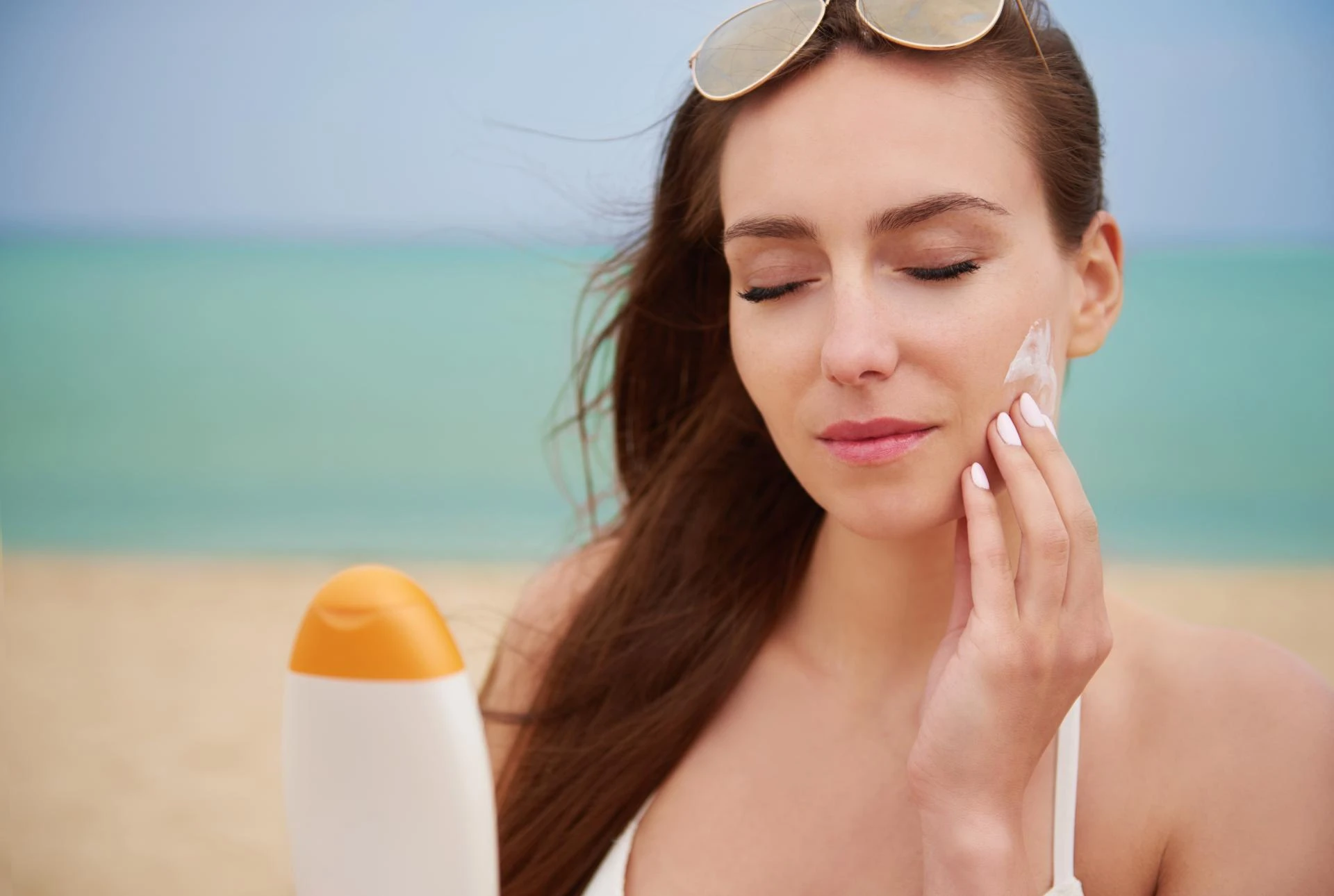

When protecting your skin, choosing between SPF 50 or SPF 30 can feel confusing. Both offer strong UV defence, but your decision should depend on your lifestyle, skin type and daily exposure.
What the Numbers Really Mean?
SPF 30 blocks roughly 97% of UVB rays, while SPF 50 blocks about 98%. That’s just a 1% difference in coverage. No sunscreen offers 100% protection, but both options provide a high level of defence when used correctly.
When SPF 30 Is Enough?
For most people, SPF 30 is suitable for everyday use. If you spend your day mostly indoors or go outside for short periods, this level works well. Make sure the sunscreen is broad-spectrum to shield your skin from both UVA and UVB rays. To ensure complete protection, it is essential to reapply every two hours.
When SPF 50 Makes Sense?
If you have fair skin, sun sensitivity, or plan to spend extended time outdoors—like at the beach, hiking, or working outside—a sun cream face with SPF 50 might be the safer choice. It adds a slight extra cushion of protection, which can help if you’re not reapplying often enough.
How You Apply Matters More
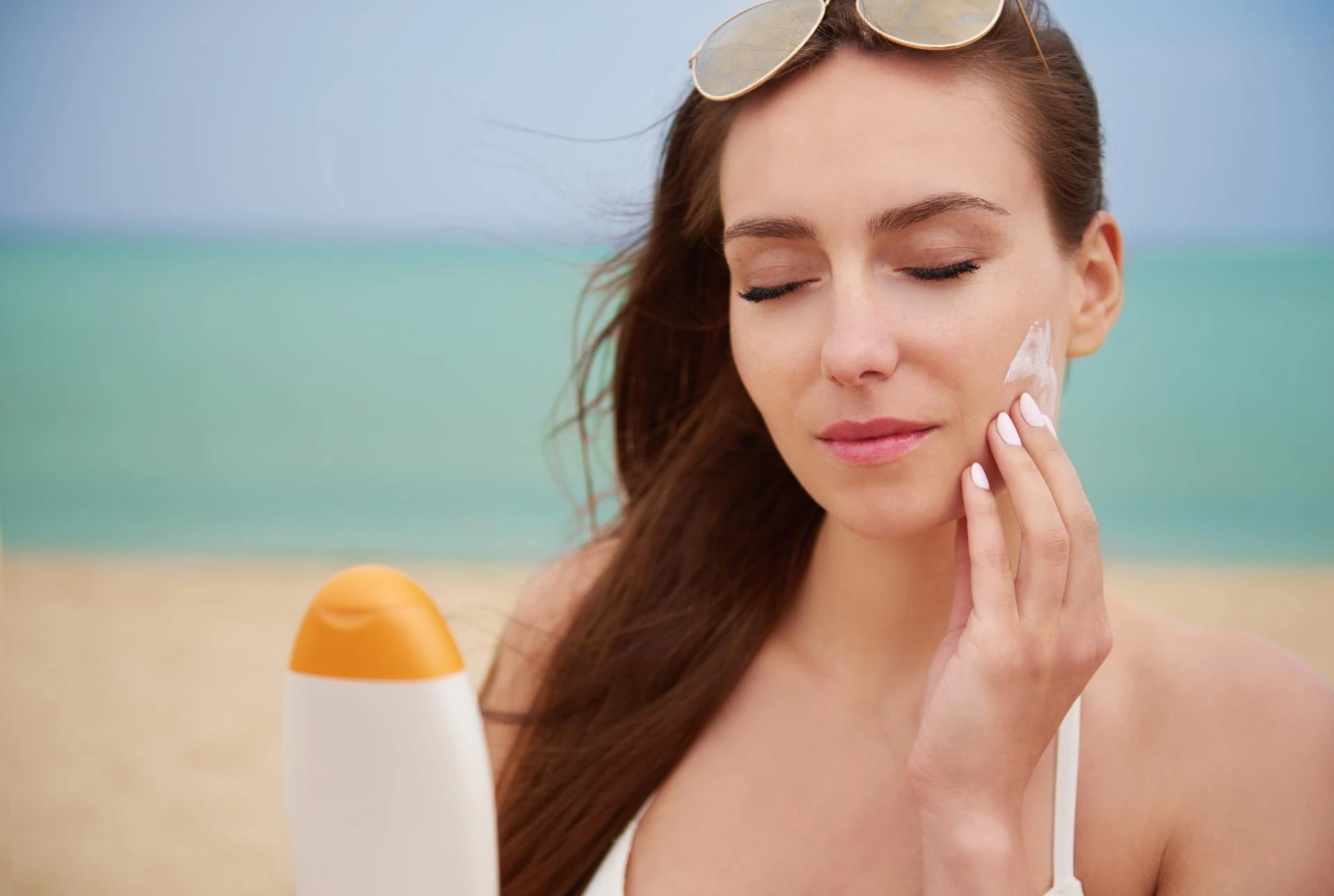
Sunscreen is only effective if applied generously. Most people apply far less than they should, which reduces the actual protection. Use enough to cover your face completely—roughly a two-finger length of cream. Reapply every two hours, especially after sweating or swimming. A higher SPF can’t make up for poor application.
How to Build Sunscreen Into Your Daily Routine
To get the most out of your sun protection, make sunscreen a non-negotiable part of your morning skincare. Apply it after moisturiser but before makeup. Even on cloudy days or while staying indoors near windows, UV rays can still reach your skin. Keep a travel-sized tube with you for touch-ups, especially if you're active or sweat often. Pairing sunscreen with a wide-brimmed hat or sunglasses adds extra defence and helps preserve your skin’s health and glow.
Why Tinted Sunscreen Helps?
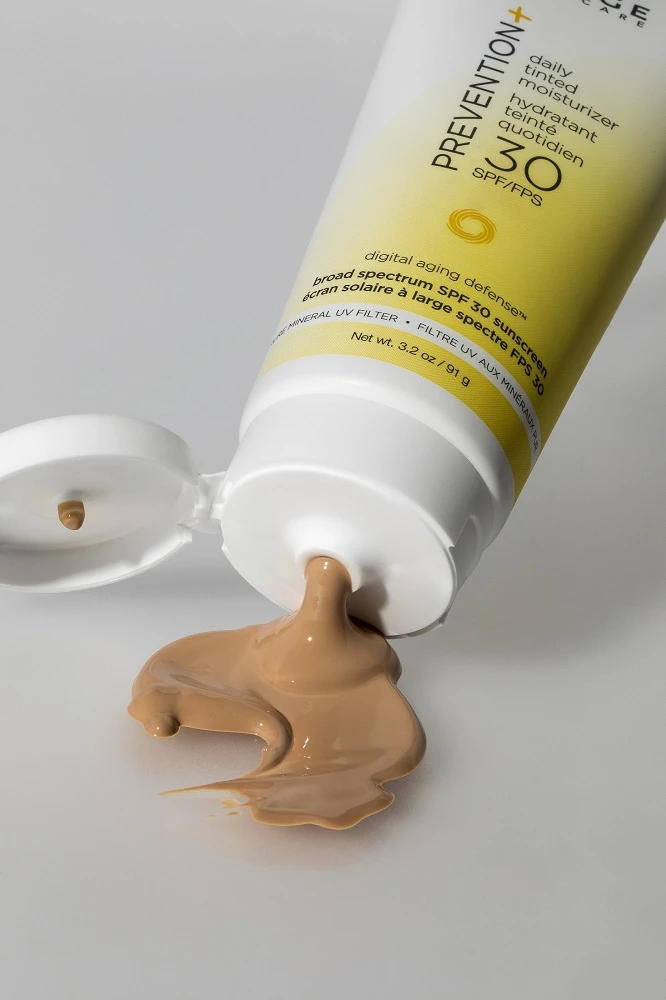
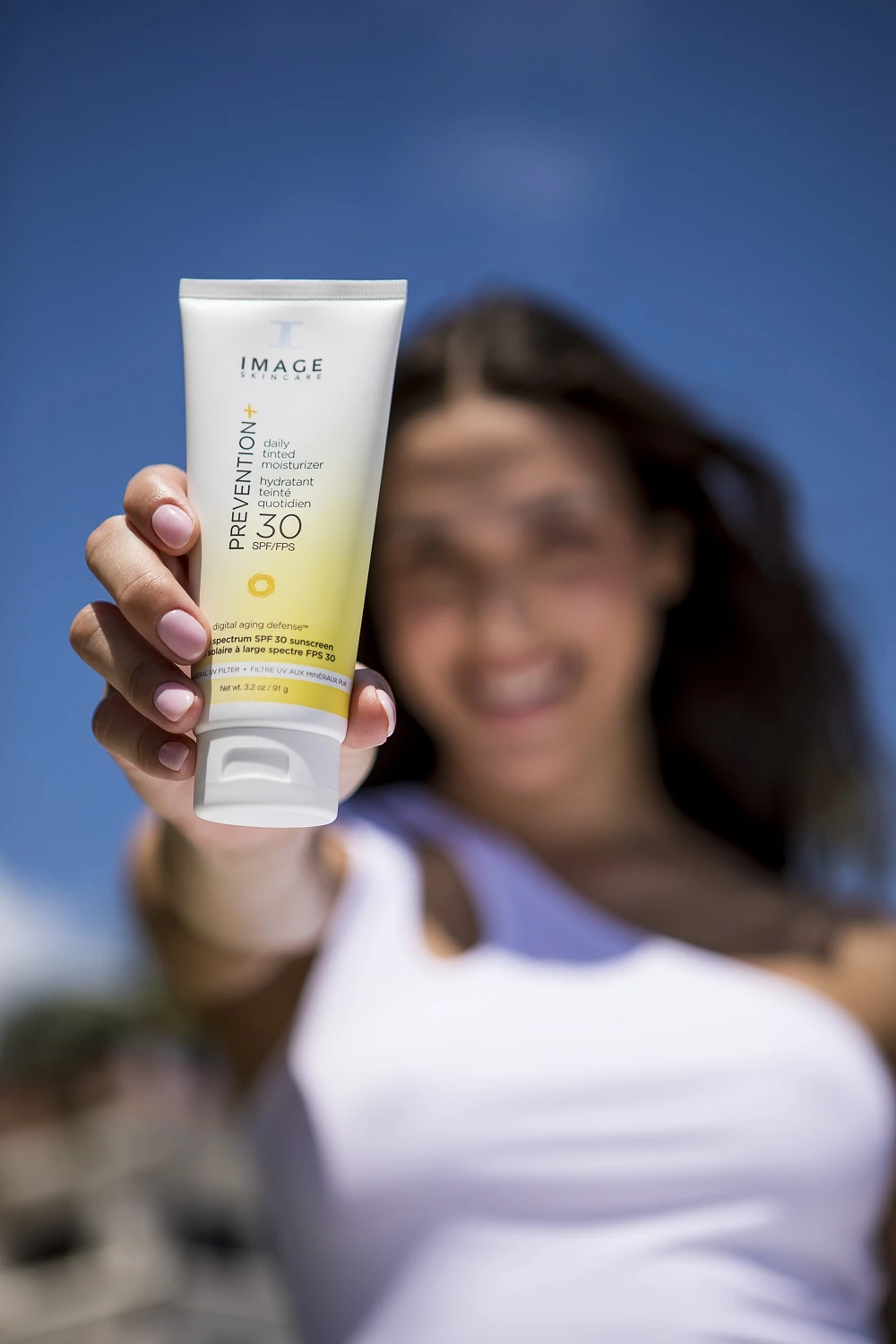
SPF-tinted sunscreen gives extra benefits. Besides UV protection, it contains iron oxides, which can help protect against visible light, a factor in skin pigmentation. Tinted formulas also provide light coverage for uneven skin tone and avoid the white cast often seen with traditional sunblocks. They’re ideal for those who want a minimal makeup look while staying protected.
Best Option for Dry, Sensitive Skin
If your skin is easily irritated or feels tight and dry, pick products labelled for sensitive skin. A good dry sensitive skin cream with SPF should contain soothing and hydrating ingredients like ceramides, niacinamide or hyaluronic acid. Also, look for mineral-based sunscreens with zinc oxide or titanium dioxide, which are less likely to cause reactions. Fragrance-free, non-comedogenic creams are usually the safest choice.
Conclusion
The decision between SPF 30 and SPF 50 isn’t just about numbers. It’s about how you use it, what your skin needs, and how much sun you actually get. A tinted option can make your routine easier and more comfortable, while a cream designed for sensitive skin ensures protection without irritation. Whatever your choice, daily sunscreen is one of the best habits you can build for long-term skin health.























Sign in to leave a comment.