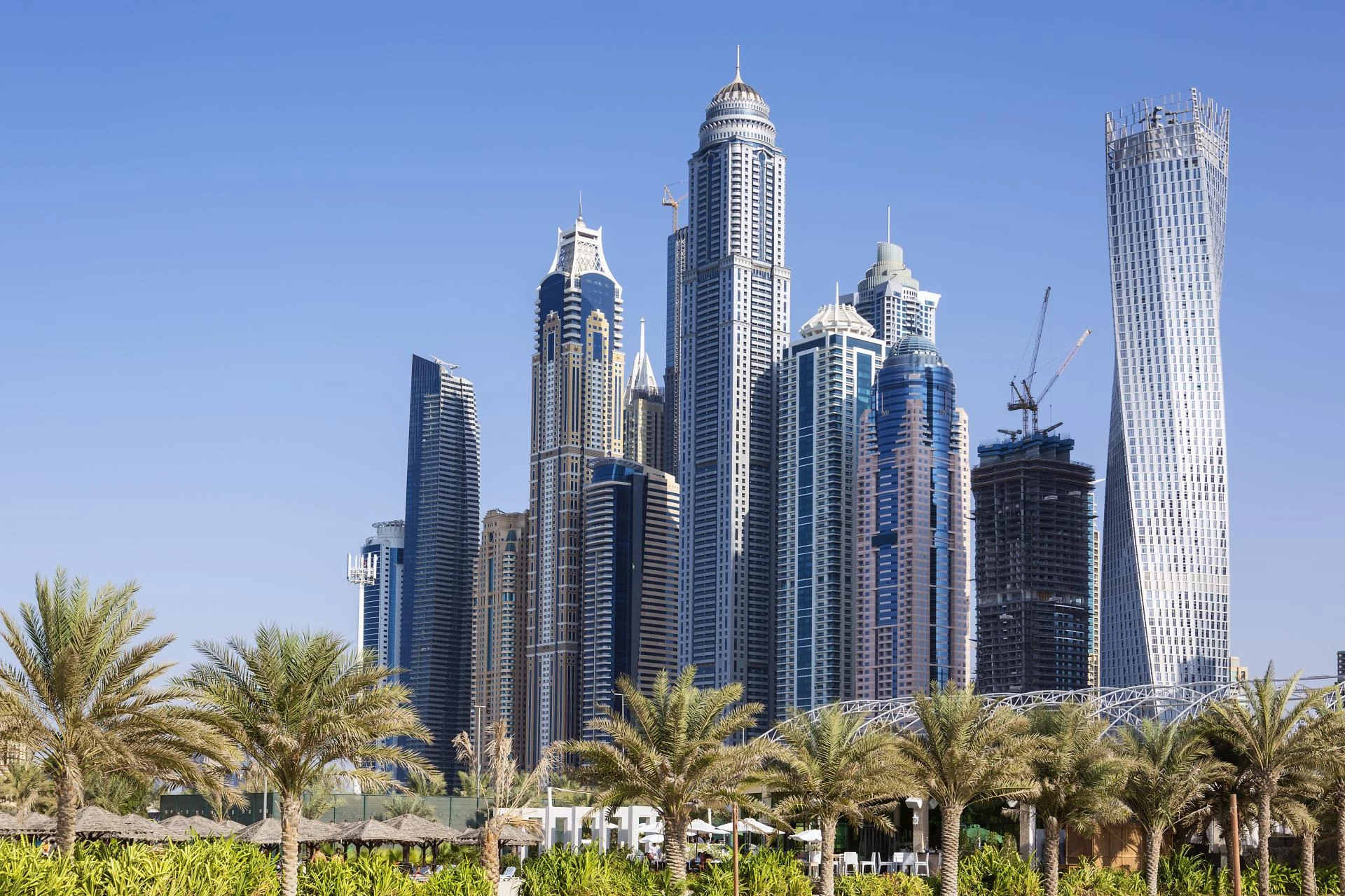

The Middle East faces a serious challenge when it comes to staying cool. With long summers and high temperatures, cooling is not just a comfort—it’s a necessity. Traditional air-conditioning methods often fall short in terms of energy use and environmental impact. That’s why Middle East district cooling has gained so much attention. It’s a smarter, more efficient way to meet cooling needs in modern cities.
The Shift from Traditional Cooling Methods
Most older buildings in the region use standalone air-conditioning units, which often consume large amounts of power and need regular upkeep. These systems also take up space, increase rooftop temperatures, and are less efficient when running for extended periods. By contrast, district cooling simplifies the process. It shifts the work of cooling from individual buildings to one central hub. This helps reduce noise pollution, improves system lifespan, and cuts down on the heat generated in populated areas.
For many developers and city planners, moving away from traditional systems is now part of a long-term strategy. It’s not just about energy—it’s about designing neighbourhoods and business zones that are built to last.
Energy Benefits
One of the key reasons for switching to district cooling is the energy benefit. Energy-efficient cooling systems help reduce the overall demand for electricity. Since a central plant can operate at high performance, it uses less energy per building compared to traditional air-conditioning. This efficiency translates to lower emissions and better management of power generation.
District cooling also works well with other energy-saving tools. For example, it can be paired with renewable sources like solar or can be used in combination with systems that store cold water or ice for later use. This makes cooling more flexible and less dependent on peak energy demand.
Better for the Environment
District cooling also supports environmental goals. Many systems use recycled water for cooling, which helps save drinking water. Also, since all the cooling is done in one place, refrigerants can be managed more carefully, reducing the risk of leaks that could harm the atmosphere.
Having fewer machines across the city also means less noise and less heat being pushed out into the environment. This helps make cities more liveable and supports long-term urban planning goals.
Government Support and Planning
Governments in the region are encouraging the use of district cooling in large developments. In many cases, rules are already in place that require new areas to include such systems. Authorities also monitor the quality and pricing of services so that residents benefit from reliable and fair solutions.
Because the Middle East is investing heavily in new cities and smart infrastructure, there’s a big opportunity to expand district cooling. Developers are now including this solution in the early stages of planning, making it easier and cheaper to install and operate over time.
District Cooling as an Urban Infrastructure Asset
More than just a technical solution, district cooling is becoming a core feature of modern urban design. By integrating it into master plans, cities can make better use of land, reduce their carbon footprint, and improve air quality. It’s especially valuable in mixed-use communities where demand fluctuates throughout the day, ensuring balanced, reliable cooling without wasting energy.
When seen as part of a city’s foundation—just like electricity or water supply—district cooling helps align infrastructure with future sustainability goals.
Conclusion
District cooling is more than a technical upgrade—it’s a way to rethink how cities handle energy, comfort, and design. By replacing traditional systems with centralised ones, and using tools like the chilled water AC system, the Middle East is leading by example in climate-responsive infrastructure. The result is smarter energy use, better urban living, and a clear path toward a cooler, more sustainable future.
































Sign in to leave a comment.