
South Africa gets a lot of sun. That sounds like a selling point until you are sitting on your patio at 2pm in January with the UV index above 10 and nowhere to hide. The same sun that makes the country beautiful also makes unprotected outdoor spaces unusable for large parts of the year. And indoors, it pushes up cooling costs and fades furniture.
The good news is that there are simple, effective ways to manage sunlight without blocking it completely. The right combination of shade solutions can turn a scorching patio into a comfortable living area and keep indoor rooms cool without running the air conditioner all day. Here is a practical look at what works and why.
The Problem with Unshaded Patios
A patio without shade is a patio that gets used three months of the year. During summer, the concrete or tiles absorb heat and radiate it back, making the space uncomfortable even after the sun moves. Without a covering, outdoor furniture deteriorates faster, cushions fade, and any food or drinks left out warm up within minutes.
Most South African homes have some form of patio or stoep, but many were built without proper sun management in mind. The result is wasted space that could be an extension of the living area if the right shade was in place.
Retractable Coverings That Adapt to the Weather
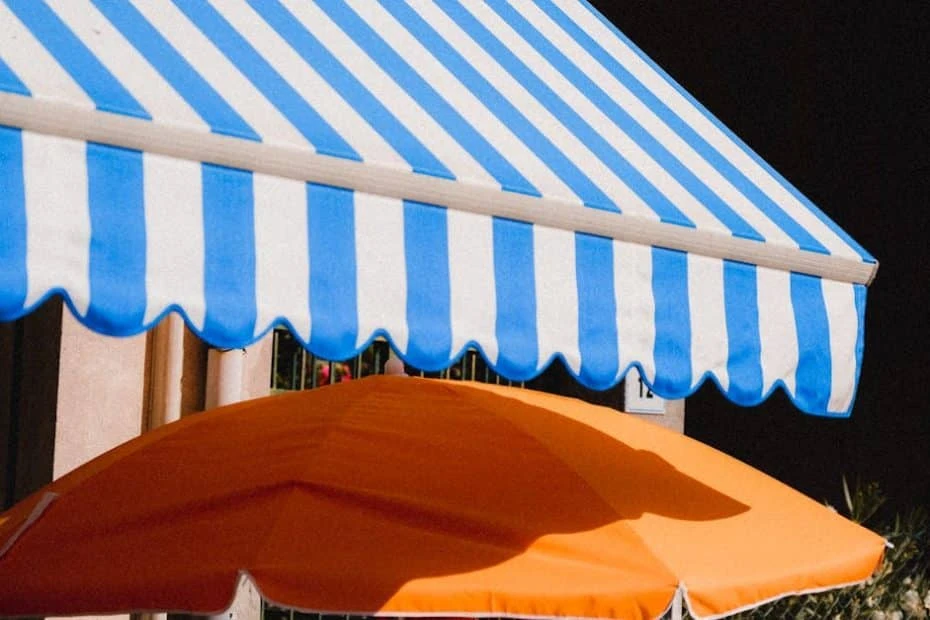
One of the most practical options for patios is awnings. These coverings extend when the sun is strong and retract when you want full sunlight or when the wind picks up. This flexibility makes them far more useful than a fixed structure that blocks light even on overcast days.
A retractable patio awning mounts to the wall above the patio and extends outward on folding arms. When extended, it creates a large shaded area directly below. When retracted, it folds neatly against the wall and is barely visible. Modern versions come with weather sensors that automatically retract the awning if wind speeds get too high, preventing damage.
For homes in Gauteng and other highveld regions where afternoon thunderstorms are common, this automatic retraction feature is particularly useful. You do not need to rush outside to roll it in when the weather turns.
Choosing Fabric and Material
The fabric used in canvas awnings matters more than most people think. Cheap fabric fades within a season, loses its water resistance, and starts sagging. Quality outdoor fabrics are treated to resist UV damage, mould, and water penetration. They hold their colour and tension for years.
Acrylic canvas is a popular choice for South African conditions. It breathes well enough to prevent heat buildup underneath while blocking most UV rays. Solution-dyed acrylic, where the colour goes through the entire fibre rather than just sitting on the surface, lasts longest and resists fading even in harsh Highveld sun.
For awnings Johannesburg installations, the fabric needs to handle both intense summer sun and the occasional hailstorm. A reputable installer will recommend a fabric weight and type that matches the specific conditions in your area.
Protecting Windows from Heat and Glare
Sun management is not just about the patio. Large windows, especially north and west-facing ones, let in massive amounts of heat during summer. This drives up air conditioning costs and creates uncomfortable glare on screens and surfaces.
Blinds for windows are one of the most effective ways to control indoor heat and light. External blinds block sunlight before it hits the glass, which is far more effective than internal curtains that only manage the light after the heat is already inside the room.
Internal blinds still have their place, especially for privacy and light control in bedrooms and offices. But for pure heat management, a covering on the outside of the window does a better job.
Sliding Door Solutions
Many South African homes have sliding doors that open onto the patio or garden. These large glass panels are great for bringing in natural light, but they also bring in heat. In summer, a west-facing sliding door can turn a lounge into an oven by late afternoon.
Blinds for sliding door openings come in several formats. Drop-down blinds that roll from a cassette mounted above the door are popular because they can be raised completely out of the way when not needed. Vertical blinds allow you to adjust the angle of the slats to let in light while blocking direct sun.
For a sliding door that opens onto a patio, a combination of an overhead awning and a drop blind gives you maximum flexibility. You can shade the patio area with the awning and control the light coming through the glass with the blind.
Outdoor Blinds for Side Protection
Overhead shade is only half the battle. In the morning and late afternoon, the sun comes in at low angles and hits you from the side. This is where outdoor blinds come in. These vertical panels mount to the edges of a patio or pergola and drop down to block low-angle sun and wind.
Outdoor canvas blinds are made from the same durable fabrics as awnings but are designed to hang vertically. They can be manually operated with a pull cord or crank, or fitted with a motor for push-button control. When raised, they roll up neatly into a headbox at the top.
The combination of overhead shade and side blinds effectively creates an outdoor room. This enclosed but not sealed space stays cooler than the open patio, blocks wind, and still allows airflow. It is one of the most cost-effective ways to add usable living space to a South African home without a full construction project.
Roller Shades for a Clean Look
If the canvas blind look feels too industrial for your taste, outdoor roller shade blinds offer a sleeker alternative. These blinds use a smooth fabric that rolls up and down on a spring-loaded or motorised mechanism. The result is a clean, modern look that suits contemporary home designs.
Roller shades come in different transparency levels. A fully opaque shade blocks all light and provides complete privacy. A semi-transparent shade lets in filtered light while blocking UV rays and reducing glare. A screen shade preserves the view through the fabric while still cutting heat and glare by up to 90%.
For homes with a view, a screen roller shade is an excellent choice. You can sit on the patio and still see the garden or the valley beyond, but the harsh sun is tamed to a comfortable glow.
Louvre Systems for Adjustable Shade
Louvre awnings use a system of angled blades or slats that can be opened and closed to control how much sun comes through. When the blades are open, full sunlight and rain pass through. When closed, they form a solid barrier.
This adjustable approach is useful for areas where the light changes throughout the day. In the morning, you might want the blades open to let the warm sun in. By midday, you close them for full shade. In the evening, you open them again to enjoy the sunset.
Louvre systems are usually made from aluminium and are more permanent than fabric awnings. They do not need to be retracted in wind, and they handle rain without any issue. The trade-off is that they are more expensive upfront and require professional installation.
Cost vs. Value
The cost of shade solutions varies widely. A simple manual awning for a small patio might cost a few thousand rand installed. A motorised louvre system covering a large entertainment area can run into six figures. The right choice depends on the size of the space, the look you want, and your budget.
What most homeowners find is that the investment pays for itself in three ways. First, the electricity savings from reduced air conditioning add up. Second, the usable space of the home increases without the cost of a building extension. Third, the property value goes up because a well-shaded outdoor area is a major selling point in the South African property market.
A covered patio that can be used year-round is functionally the same as adding another room to the house, at a fraction of the cost.
Getting Professional Advice
Every home is different. The direction the patio faces, the height of the walls, the distance to the boundary, and the local wind patterns all affect which solution works best. What works on a north-facing Durban balcony is not the same as what works on a west-facing Johannesburg patio.
A professional installer will visit the site, take measurements, assess the sun path, and recommend a solution that fits the space and the budget. They will also handle the mounting, tensioning, and any electrical work needed for motorised systems.
If you are thinking about shade for your home, start by watching how the sun moves across the space over a full day. Notice which areas get the worst heat and when. That information, combined with professional advice, will lead to a solution that makes a real difference to how you use your home.



























Sign in to leave a comment.