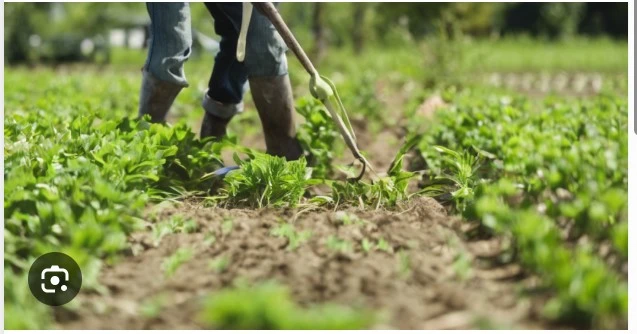
Weed control has always been a critical concern for farmers, landscapers, and gardeners. Unmanaged weed growth can significantly reduce crop yields, damage ornamental plants, and create maintenance challenges in gardens and landscaped areas. Traditional methods such as chemical herbicides and manual weeding are often labor-intensive, costly, and environmentally damaging. To address these challenges, the use of geotextile matting has emerged as an effective and sustainable solution for weed management across various industries.
Understanding Geotextile Matting
Geotextile matting refers to a permeable fabric designed to control weeds while allowing water, air, and nutrients to pass through to the soil. Typically made from synthetic fibers like polypropylene or polyester, geotextile matting is engineered for durability, UV resistance, and long-term use. Unlike temporary weed control solutions, this matting provides consistent suppression of weed growth, reducing the need for herbicides and repeated manual labor.
Advantages of Geotextile Matting
Long-Term Weed Suppression
One of the primary advantages of geotextile matting is its ability to provide long-term weed control. Unlike mulch, which decomposes over time, or chemical herbicides, which may require repeated application, geotextile matting can last several years. This durability makes it an efficient solution for both large-scale agricultural fields and small garden settings.
Reduced Dependence on Chemicals
By providing a physical barrier to weed growth, geotextile matting minimizes the need for chemical herbicides. This is particularly beneficial for organic farming and eco-friendly landscaping projects, as it supports healthier soil and reduces chemical runoff into nearby water systems.
Improved Soil and Plant Health
Geotextile matting allows water, air, and nutrients to permeate through the fabric and reach plant roots. This ensures that the soil remains healthy and prevents issues such as waterlogging or soil compaction. Healthy soil enhances the growth of crops and ornamental plants alike.
Cost Efficiency
While the initial investment in geotextile matting may be higher than traditional methods, the long-term benefits make it cost-effective. Reduced labor, fewer chemical treatments, and the longevity of the matting contribute to overall savings in both agricultural and landscaping applications.
Applications in Agriculture
Crop Protection
In agriculture, geotextile matting is commonly used to protect crops from invasive weeds. Laying matting between crop rows or around seedlings prevents weeds from competing for sunlight, water, and nutrients. This approach improves crop yields and reduces the labor needed for weeding.
Orchard and Vineyard Management
Orchards and vineyards benefit from geotextile matting by preventing weed growth around tree trunks and vine bases. Weeds in these areas can interfere with irrigation systems and nutrient uptake. Geotextile matting also helps maintain soil moisture and prevent erosion, contributing to healthier fruit trees and vines.
Greenhouse and Nursery Applications
In greenhouses and nurseries, geotextile matting is used to manage weeds around potted plants, raised beds, and walkways. Its permeability ensures that young plants receive sufficient water and nutrients while weeds are effectively suppressed. The flexibility of the matting allows it to be cut and shaped to fit various spaces.
Landscaping and Garden Use
Pathways and Walkways
Geotextile matting is often used in landscaping to prevent weeds along pathways, driveways, and walkways. When placed under gravel, sand, or mulch, the matting prevents weeds from emerging while allowing water to drain properly. This creates a clean, low-maintenance surface that enhances the aesthetic appeal of gardens and outdoor spaces.
Flower Beds and Ornamental Gardens
In ornamental gardens, geotextile matting is used beneath mulch or soil to maintain neat flower beds and prevent weeds from overtaking decorative plants. This approach reduces maintenance time and ensures that gardens remain visually appealing throughout the growing season.
Sustainable Home Gardening
For home gardeners interested in sustainable practices, geotextile matting is an environmentally friendly option. By minimizing chemical herbicide use and reducing manual weeding, gardeners can maintain healthy soil and support local ecosystems.
Installation Tips for Geotextile Matting
Site Preparation
Proper installation begins with preparing the site. Remove existing weeds, debris, and rocks, and level the soil to ensure the matting lies flat. A smooth surface maximizes the matting's effectiveness in controlling weeds.
Cutting and Placement
geotextile matting can be cut to fit specific areas, whether around plants, along walkways, or across entire fields. Overlapping edges by a few inches prevents weeds from growing between sheets. Secure the matting with pegs, pins, or weights to prevent movement, especially in areas with wind or heavy foot traffic.
Ongoing Maintenance
Geotextile matting requires minimal maintenance, but periodic inspections are recommended. Check for gaps, tears, or areas where weeds may penetrate, and repair them promptly. Adding mulch, gravel, or other protective layers on top of the matting can extend its lifespan and improve aesthetics.
Environmental and Economic Benefits
Water Conservation
By preventing weed growth, geotextile matting reduces competition for water, allowing plants to receive more moisture. This reduces irrigation needs, which is particularly valuable in regions with limited water resources.
Reduced Carbon Footprint
Minimizing chemical herbicide use and extending the lifespan of matting lowers the overall carbon footprint associated with weed management. Long-lasting matting also reduces material waste and the need for frequent replacements.
Support for Biodiversity
Since geotextile matting reduces chemical applications, beneficial soil organisms and insects can thrive. Healthy soil biodiversity improves nutrient cycling and helps naturally control pests, creating more resilient ecosystems.
Future Trends in Geotextile Weed Management
The geotextile industry continues to innovate, developing mats with enhanced durability, water retention capabilities, and even biodegradable options. These improvements make geotextile matting more versatile and environmentally friendly, supporting sustainable practices in agriculture, landscaping, and gardening. As urban agriculture and eco-conscious landscaping become more prevalent, the adoption of geotextile matting is expected to grow.
Conclusion
Effective weed management is essential for productive agriculture, sustainable landscaping, and attractive gardens. Traditional methods, while effective, often come with environmental and labor costs. Geotextile matting offers a durable, efficient, and environmentally friendly solution, providing long-term weed control while promoting soil health and reducing maintenance efforts.
From crop fields and orchards to ornamental gardens and pathways, geotextile matting has proven to be a versatile tool. Its permeability ensures that water, air, and nutrients reach the soil, while its weed suppression capabilities reduce reliance on chemicals and manual labor. By integrating geotextile matting into modern weed management strategies, farmers, landscapers, and gardeners can achieve sustainable results, improve plant health, and contribute to environmental stewardship.



























Sign in to leave a comment.