

Imagine a world where factories produce exactly what we need, without wasting materials, energy, or time. Sounds ideal, right? The truth is, manufacturing today often struggles with inefficiencies, leading to wasted resources and higher costs. But here’s the good news: AI is stepping in to change the game. By working with an AI development company or using AI development services, manufacturers can make their processes smarter, cleaner, and more sustainable. Let’s dive into how AI is transforming production for the better.
The Problem: Waste in Manufacturing
Manufacturing is a critical part of our economy, but it’s not without its challenges. Factories often produce more than needed, use excess energy, or discard materials that could be reused. These inefficiencies not only hurt the environment but also increase costs for businesses. For example, overproduction leads to unsold goods, while machine breakdowns cause delays and waste.
The need for sustainable practices is growing, but many companies struggle to balance efficiency with environmental responsibility. This is where AI comes in.
The Solution: AI for Smarter Production
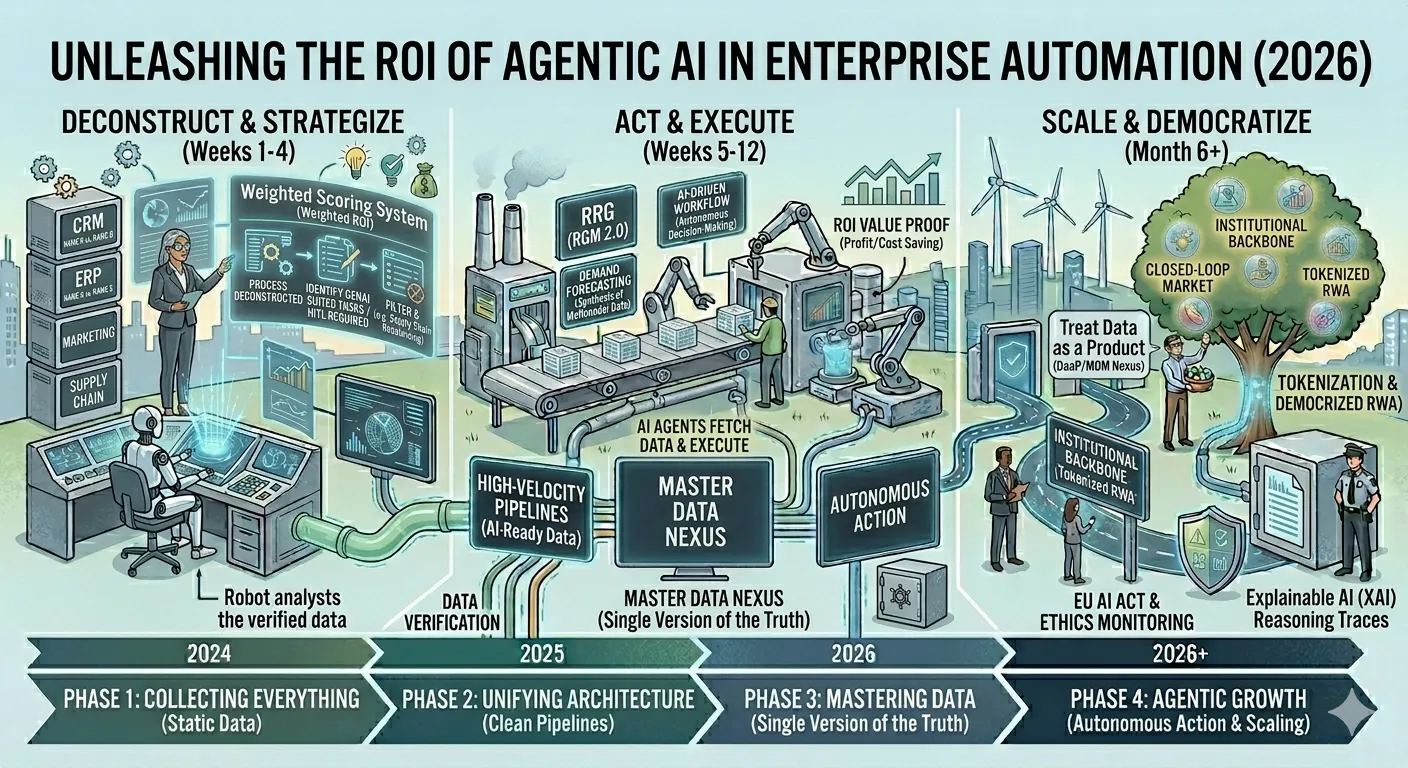
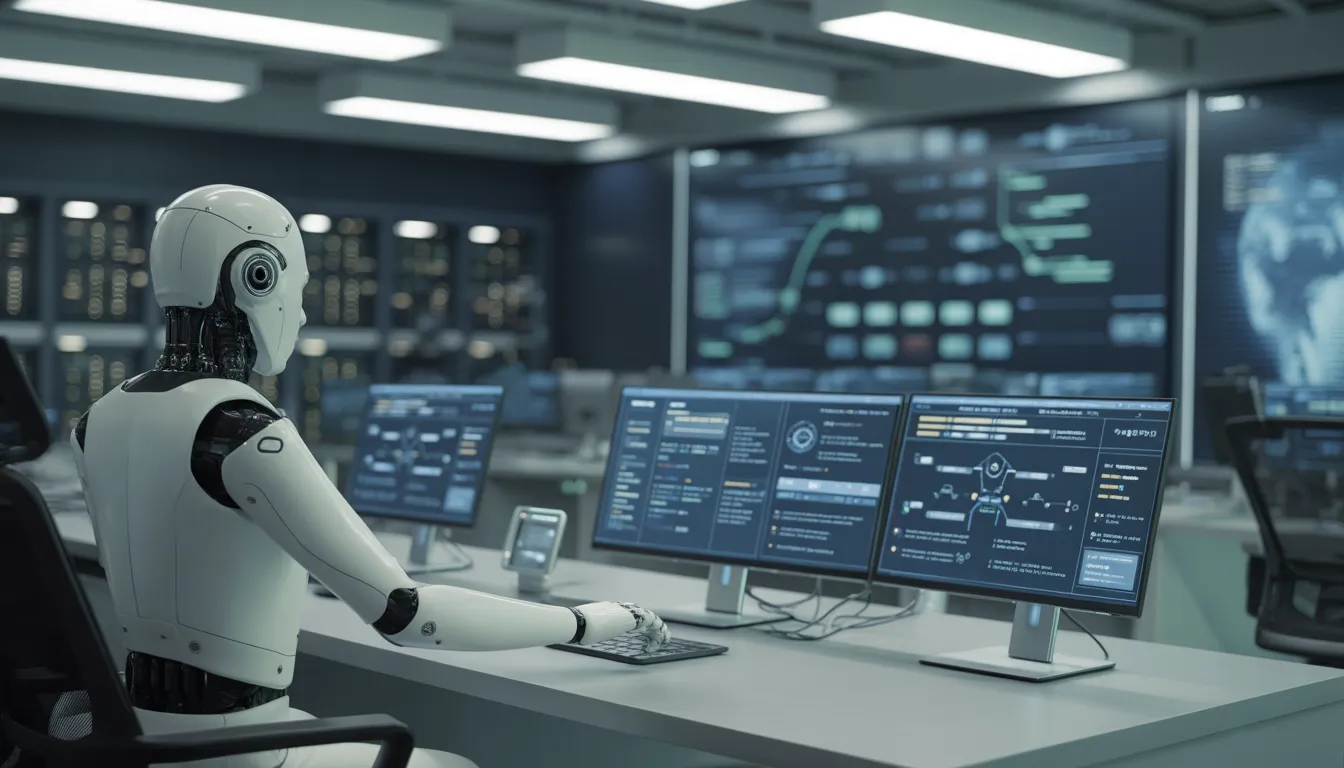
AI is like a smart assistant for factories. It can analyse vast amounts of data, spot patterns, and make decisions that humans might miss. By partnering with an AI development company, manufacturers can integrate AI into their systems to optimise production and reduce waste.
Here’s how:
1.Predictive Maintenance
Machines breaking down unexpectedly can cause delays and waste materials. AI can predict when a machine is likely to fail by analyzing data like temperature, vibration, and usage patterns. This allows factories to fix issues before they happen, saving time and resources.
2. Energy Efficiency
AI can monitor energy use in real-time and adjust it to match production needs. For example, if a machine isn’t in use, AI can reduce its power consumption. This not only cuts costs but also reduces the factory’s carbon footprint.
3.Quality Control
Defective products are a major source of waste. AI-powered cameras and sensors can inspect products as they’re being made, catching defects early and ensuring only high-quality items move forward.
4.Inventory Management
Overstocking or understocking materials can lead to waste. AI can analyse demand patterns and help factories order just the right amount of raw materials, reducing excess and shortages.
Real-World Impact
Many companies are already seeing the benefits of using AI development services in their manufacturing processes. For instance, a car manufacturer might use AI to optimise its assembly line, reducing the time it takes to build a vehicle while using fewer materials. A food producer could use AI to monitor storage conditions, ensuring less food spoils before it reaches consumers.
These examples show how AI isn’t just a fancy tool—it’s a practical solution for making production more sustainable.
Why Partner with an AI Development Company?
Building AI systems for manufacturing isn’t something most factories can do on their own. That’s where an AI development company comes in. These experts can create custom AI solutions tailored to a factory’s specific needs. Whether it’s designing predictive maintenance tools or setting up energy-saving algorithms, an AI development company can help manufacturers implement AI in a way that delivers real results.
The Future of Sustainable Manufacturing
As technology advances, the role of AI in manufacturing will only grow. From reducing waste to improving efficiency, AI has the potential to make production cleaner and more sustainable. By embracing AI development services, manufacturers can stay ahead of the curve and contribute to a greener future.
Final Thoughts
Sustainable manufacturing isn’t just good for the planet—it’s good for business. By using AI to cut waste and improve efficiency, factories can save money, reduce their environmental impact, and meet the growing demand for eco-friendly practices. If you’re in the manufacturing industry, now is the time to explore how an AI development company can help you transform your production process.
The future of manufacturing is smart, efficient, and sustainable—and AI is leading the way.























Sign in to leave a comment.