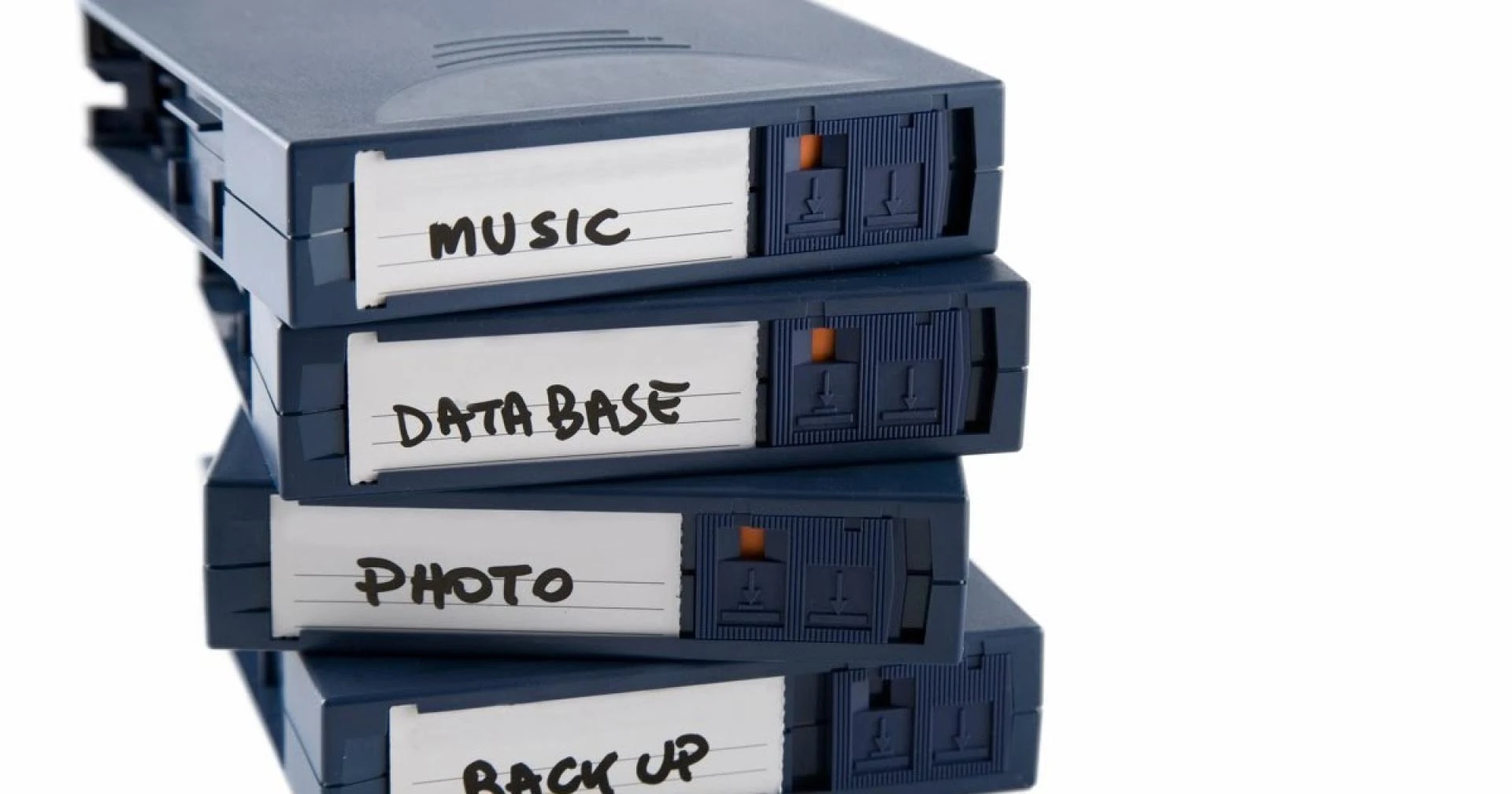

Data is the lifeblood of today's organisations, and as such, it must be safeguarded at all costs. Data backup solutions such as tape backup, disc backup, and cloud backup may all serve this function.
The Cloud has been more popular for storing and protecting data over the last several years. That said, the tape storage is most certainly not disappearing. Today we will look closely at one of the oldest ways of storing data and why it is still so relevant.
Safety of Tape Storage
Because tapes are not connected to any network, tape storage is one of the safest methods to store data. These files are in an offline storage location inside a tape library that is in a secure environment.
There is no possibility of tape damage due to handling since they are in the library. In contrast to cloud storage, the data saved in this manner is immune to ransomware and other forms of network-based infection.
Tape Drivers
A tape drive is a tool that saves data from a computer on tape. This is often done to archive and back up data. Tape drives may operate using either a conventional helical scan, in which the recording and playback head physically contact the tape, or linear tape technology, in which the heads do not physically get the tape at any point throughout the process.
Drives may be non-rewinding, in which case the device does not provide a rewind command after a session, or they can be rewinding, in which case they do.
Benefits of Tape Storage
● Savings
When planning for large-scale infrastructure, tape storage has a low unit price per volume compared to other storage mediums which is a significant advantage. The tape system requires minimal upkeep and uses power only during a backup. This means that the overall user cost, which includes the cost of power and other operating expenses, may be kept to a minimum.
●Low Power Use
HDDs utilise some power even when they aren't actively doing anything (like recording or reproducing) since they are constantly processing data. On the other hand, magnetic tape systems don’t need power when idle, and there is no electrical expense associated with media maintenance.
● Transportability
After recording the information onto tape cartridges, the devices used for such backups may be easily transported to a secure offsite location.
If your tape storage facility were ever under attack, you could quickly retrieve your tapes and relocate them to a safer place.
Transferring massive volumes of data across the network to a fresh backup location is necessary if you want to keep your cloud or disc storage data safe. Time is of the essence during a disaster recovery (DR) situation, and such tasks might consume a significant amount of it.
● Long Lifespan
The lifespan of tapes contributes to the continued popularity of tape storage among significant businesses. Tape drives can retain necessary data for decades if properly maintained. Consequently, tape backups can provide long-term storage for vital information and guarantee high archival stability.
Tape cartridges need special attention to guarantee continued functionality for as long as feasible. Data stored on a damaged tape cannot be recovered. Keep a log of your current tapes, so you always know where to get the data you need. In addition, you may be certain that no tape cartridges are forgotten while moving several cassettes between different locations.
In addition to all these, Tape Backup Solutions offer many more benefits over other types of storage solutions.
First, they are incredibly reliable; unlike hard drives, tapes will not fail due to power surges or other electrical issues.Second, tape backups can easily be stored offsite in case of a natural disaster or other disruption; this ensures that your data is always safe from harm regardless of what happens onsite.Third, since tape backups require no electricity to operate, you can rest assured that your data will remain secure even if there is an extended power outage or other emergency situation.Finally, tape backups also offer excellent security features such as encryption and password protection; this makes them ideal for storing sensitive information such as customer records or financial documents.Conclusion
Much like every other kind of technology, tape has progressed throughout its history. Tape backup is still widely used in today's contemporary data centres, even though disc and cloud storage has essentially usurped their position as the primary medium for data storage and backups. They offer numerous advantages over other forms of data storage such as hard drives, cloud storage, and external disks.
They’re cost-effective, secure, portable and easy to store; all important factors when it comes to protecting your business’s valuable information from potential threats. If you’re looking for reliable data protection solutions that won’t break the bank then tape backups may be just what you need!
0























Sign in to leave a comment.