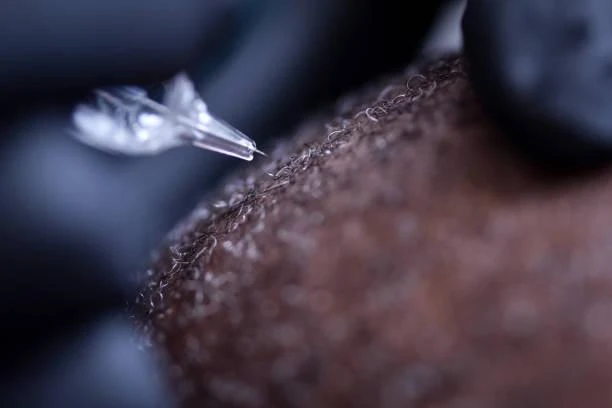

Tattoo hair: non-surgical hair loss procedure
Tattoo hair is a revolutionary solution for individuals experiencing hair loss. This ingenious technique involves the application of tiny, tattoo-like dots on the scalp to mimic the appearance of a closely shaved head or a fuller head of hair. In recent years, tattoo hair has gained popularity as a non-invasive and adequate way to address various forms of hair loss, providing a confidence boost for those seeking a natural-looking solution.
Understanding Tattoo Hair and Its Process
Tattoo hair is not your traditional tattoo; it\'s a highly specialized procedure designed to replicate the natural patterns of hair follicles. The process typically involves the use of specialized pigments and fine needles to deposit ink into the superficial layers of the scalp. Skilled technicians carefully create the illusion of hair follicles, adjusting the pigment color and depth to fit the client\'s natural hair color and skin tone.
The procedure is often completed in multiple sessions, allowing for a gradual buildup of the pigmentation. This incremental approach ensures that the final result looks realistic and aligns with the client\'s expectations. Tattoo hair provides a versatile solution, catering to various hair loss patterns, including receding hairlines, thinning crowns, and even complete baldness.
Benefits of Tattoo Hair
- Natural Appearance:
One of the primary advantages of tattoo hair is its ability to deliver a natural-looking result. The meticulous technique employed by skilled technicians ensures that the pigmentation mimics the natural texture and direction of hair growth, creating a convincing illusion of a full head of hair.
- Low Maintenance:
Unlike traditional hair restoration methods that may require ongoing maintenance, tattoo hair is relatively low maintenance. Once the initial sessions are complete, clients can enjoy the long-lasting results without the need for daily upkeep or special products.
- Versatility:
Tattoo hair is versatile and can be customized to suit individual preferences. Whether someone desires a clean-shaven appearance or a denser, fuller look, technicians can adapt the procedure to meet specific aesthetic goals.
- Non-Invasive:
Unlike hair transplant surgeries, which involve invasive procedures and recovery periods, tattoo hair is a non-invasive option. The procedure typically has minimal discomfort, and clients can resume their regular activities shortly after each session.
- Camouflage for Scars:
Tattoo hair is not only a solution for general hair loss but can also be used to camouflage scars on the scalp. This makes it an appealing option for individuals who have undergone surgeries or have scars from accidents that affect their hairline.
Who Can Benefit from Tattoo Hair?
- Men with Male Pattern Baldness:
Tattoo hair is a popular choice for men experiencing male pattern baldness. It offers a viable alternative to surgical options and allows individuals to regain a youthful and confident appearance.
- Women with Thinning Hair:
While female pattern baldness differs from its male counterpart, women experiencing hair thinning can also benefit from tattoo hair. Technicians can adjust the procedure to address specific patterns and create the illusion of denser hair.
- Scalp Scarring:
Individuals with scars on the scalp due to accidents, surgeries, or other trauma can find tattoo hair to be an effective solution for concealing these imperfections.
Considerations Before Choosing Tattoo Hair
- Research and Consultation:
Before opting for tattoo hair, individuals should conduct thorough research and seek consultations with experienced practitioners. Understanding the procedure, its potential results, and the qualifications of the technician is crucial in making an informed decision.
- Realistic Expectations:
While tattoo hair can provide remarkable results, it\'s essential to have realistic expectations. The result may vary depending on individual factors such as skin type, existing hair color, and the extent of hair loss.
- Maintenance:
While tattoo hair is generally low maintenance, clients should be aware that touch-up sessions may be needed over time to maintain the desired appearance. Factors like sun exposure and aging can affect the longevity of the pigmentation.
Conclusion
Hair tattoo has emerged as a groundbreaking solution for those looking for an alternative to traditional hair restoration methods. With its ability to provide a natural-looking result, low maintenance requirements, and versatility in addressing various types of hair loss, tattoo hair has become a widespread choice for individuals looking to regain confidence and a youthful appearance. As the field evolves, potential clients must research thoroughly, consult with experienced practitioners, and set realistic expectations before embarking on their tattoo hair journey. For many, tattoo hair represents not just a cosmetic enhancement but a transformative experience, empowering individuals to embrace their desired image with renewed confidence.
FAQs
What is hair tattooing, and how does it differ from traditional tattoos?
Hair tattooing, or scalp micropigmentation, involves depositing pigments on the scalp to emulate the appearance of hair follicles. Unlike traditional tattoos, the goal is to create a natural-looking hairline rather than artistic designs.
Is hair tattooing a suitable solution for all types of hair loss?
While effective for various types of hair loss, hair tattooing is most commonly used to address receding hairlines, bald spots, or thinning hair. A consultation with a specialist helps determine its suitability for individual cases.
How long does a hair tattoo last, and can it be removed or adjusted?
Hair tattoos are considered semi-permanent and can last for several years. While not easily removed, fading can occur naturally, and skilled practitioners can make adjustments to adapt to changing preferences or styles.
Are there any health risks or side effects with hair tattooing?
Common side effects include mild redness or swelling, but serious health risks are rare. Choosing a qualified practitioner and following proper aftercare instructions minimizes potential complications.
Can hair tattooing be combined with other hair restoration methods, such as transplants or topical treatments?
Hair tattooing can complement other methods, providing additional coverage or enhancing the appearance of existing hair. Coordination with a hair restoration specialist helps create a comprehensive approach tailored to individual needs.


























Sign in to leave a comment.