
The Real Difference Between Teflon and Copper Cables
Every engineer, technician, or manufacturer has faced this crossroad at some point, i.e. choosing between teflon cables and copper cables. On paper, both promise durability and reliability, but their performance can vary widely depending on where and how they are used. That is where the real test begins.
The discussion is not just about materials. It is about purpose. Teflon cables are designed to endure the most demanding environments, while copper cables are built for consistent performance across various everyday applications. Both are essential, but each serves a very different kind of need.
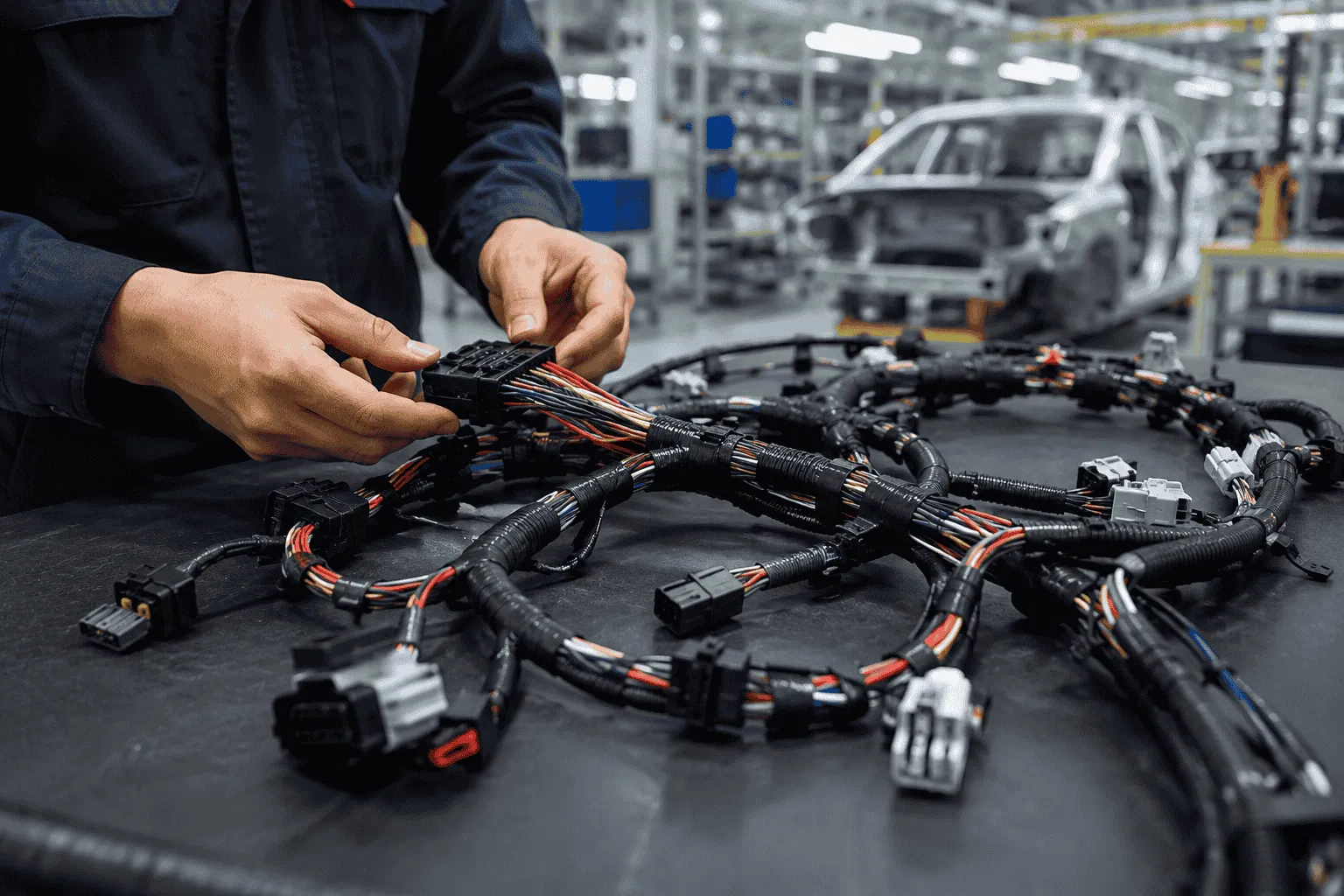
When industries like automotive, EV, and appliances look for wiring solutions, they are chasing efficiency and long-term dependability. The difference between the two is not just technical, but strategic. Choosing the right one determines how smoothly machines operate, how safely systems run, and how long equipment lasts.
What truly separates them is how they respond under stress. Heat, vibration, and exposure to chemicals can reveal what your cable is really made of. Teflon cables hold their ground in extreme conditions, while copper cables thrive in standard environments where cost-efficiency and conductivity are key.
The comparison isn’t a battle; it’s a balance. We need to understand what makes each type unique to see that balance clearly.
What Makes Teflon Cables Stand Out
If extreme conditions are the battlefield, Teflon cables are built like armour. They are insulated with PTFE — a material known for its high resistance to heat, chemicals, and mechanical stress. This makes them a popular choice in industries that can’t afford downtime or failure.
The exceptional thermal stability of these cables is well-known. They can tolerate temperatures that would cause most ordinary wires to lose their insulation or deform. They are a good option for applications like electric vehicles, automotive engines, and aerospace wiring because of their resistance to corrosive chemicals, oils, and fuels. Teflon cables remain dependable when machines operate under stress or in dynamic environments.
Beyond endurance, they are flexible, lightweight, and ideal for compact installations where space is tight. This makes them highly suitable for intricate wiring harnesses or components exposed to movement and temperature variation. They also minimise the risk of electrical leakage and maintain signal clarity over time.
However, the key advantage lies in their consistency. Even when exposed to extreme temperature cycles, their insulation remains intact, offering long-term stability. That is what makes teflon cables a dependable choice for engineers designing advanced systems that can’t afford even minor faults.
Still, durability alone does not define reliability. Some setups don’t demand high-temperature tolerance or chemical resistance; in those cases, simplicity wins. That is where copper cables continue to hold their ground.
Why Standard Copper Cables Still Dominate
Sometimes, simplicity is the smartest choice. Copper cables have been the industry standard for decades because they deliver what most systems truly need — strong conductivity, easy installation, and cost-effectiveness.
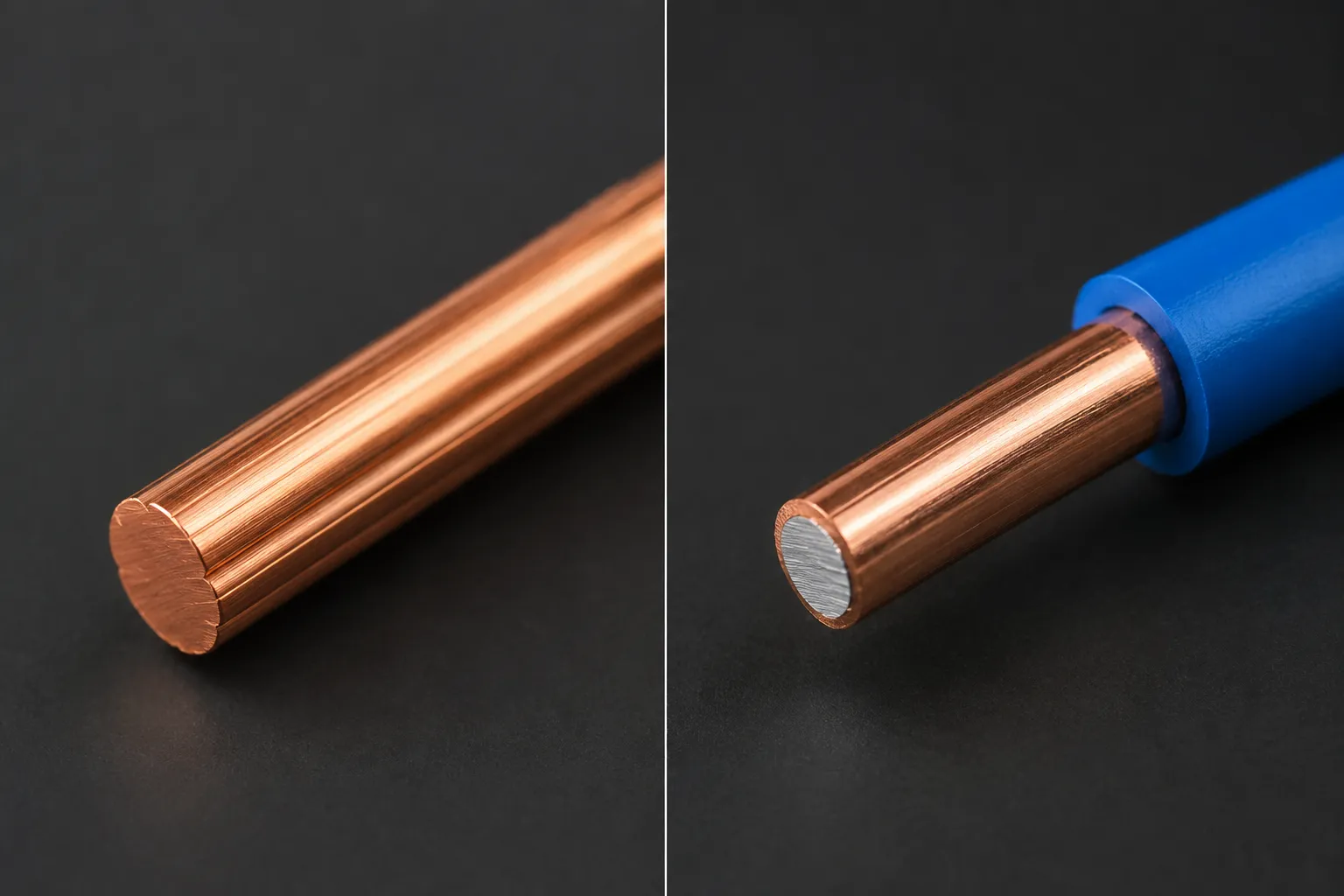
Their core strength lies in copper’s natural properties. Copper is one of the best conductors of electricity, ensuring minimal power loss and stable performance. It is flexible enough for multiple bending cycles and durable for everyday industrial, residential, and commercial setups.
Another reason copper cables are widely used is their affordability compared to specialised insulated cables. They are easy to install, readily available, and suitable for various voltage ranges, making them ideal for building wiring, general electrical circuits, and machinery.
What truly sustains their dominance is consistency. Copper cables don’t demand special conditions to perform. Depending on the type of insulation, they can handle fluctuations, short bursts of high current, and even exposure to moisture or vibration. Their recyclability also adds value, aligning with the industry’s growing shift toward sustainability.
While teflon cables shine in extreme scenarios, copper cables quietly power the world’s daily operations — from homes to factories. They form the backbone of electrical networks that need no fancy adaptations, just reliable performance.
As industries diversify, many wonder whether switching to something advanced is worth it when the tried-and-tested still delivers. The answer lies in matching the cable to the environment, not in replacing one with another.
Comparing the Two for Real-World Use
Every project faces its own set of conditions. A cable that works perfectly in one setup might underperform in another. Comparing Teflon cables and copper cables helps reveal which one fits where.
Teflon cables function best in settings with difficult insulation, such as those with high temperatures, exposure to chemicals, or mechanical strain. They are resistant to abrasion, do not readily soften or crack, and retain their integrity even at temperatures below 250°C. Additionally, their insulation is non-reactive, meaning that gases or oils won't cause it to deteriorate. They are therefore ideal for high-frequency data transmission, aerospace assemblies, and under-the-hood automotive wiring.
On the other hand, copper cables stand out where strong electrical flow and cost-efficiency matter most. Their conductivity is unmatched, which means better current flow and less energy loss. They also allow quick repairs, easy maintenance, and standardised installation — crucial in construction, power distribution, and general industry use.
Another deciding factor is flexibility. Copper cables provide mechanical pliability that is appropriate for large-scale wiring projects, while teflon cables are sufficiently flexible for confined spaces. Because of this, they are simpler to handle when constructing electrical frameworks or attaching large machinery.
Every cable type has disadvantages. Copper cables prioritize reliable electrical transmission, while Teflon cables provide protection against harsh environments. Knowing these strengths ensures you don’t over-engineer your system — or underprepare it for the conditions it faces.
The choice becomes clearer when the goal is to design for performance, not preference. It depends entirely on what your system needs to endure and deliver.
Choosing the Right Cable for Your Application!
Every industry has its own wiring language. Automotive and EV manufacturers prioritise temperature resistance, while builders and industrial suppliers prioritise cost and efficiency. The correct cable choice begins with understanding what your system truly demands.
In environments where heat, vibration, or chemicals are a constant challenge, Teflon cables offer dependable protection. Their insulation keeps performance steady, preventing electrical faults even under pressure.
Copper cables provide all the necessary components for long-term performance in installations that operate in moderate conditions. They function reliably under typical voltage conditions, are simpler to terminate, and work with a variety of fittings. Their adaptability also makes it possible to wire tight panels, home automation systems, and factories efficiently.
The key is to avoid a one-size-fits-all mindset. Each system operates under different parameters. Engineers who account for current flow, mechanical movement, and ambient heat choose smarter — not just safer.
What is often overlooked is that insulation isn’t just about protection, it’s about performance. The proper insulation can reduce maintenance costs and improve equipment life. Teflon cables bring precision and resilience, while copper cables bring balance and reliability.
The right choice does not only depend on specifications, but on how the product behaves in real-world conditions. And that behavior is shaped by how it is designed, tested, and manufactured.
Engineering Reliability Through Design and Innovation
Behind every dependable wire lies a design that values detail. Manufacturing quality cables is about meeting standards and exceeding them through consistent testing, controlled processes, and precision material selection.
A cable’s performance depends as much on its conductor as on its insulation. Conductors made from high-purity copper ensure smooth current flow, while advanced insulation compounds — whether PVC, SRPVC, or PTFE — determine endurance. Using in-house testing, advanced machinery, and specialised extrusion systems allows manufacturers to control every step, from raw material purity to the final finish.
This process-driven approach ensures each reel delivers what engineers expect — stability, performance, and confidence in application. Advanced systems like ERP-based order tracking and quick dispatch management enhance production efficiency and customer reliability.
Beyond technology, what distinguishes superior manufacturing is attention to safety and sustainability. Quality and responsibility are enhanced by facilities that use renewable energy, responsibly treat water, and keep their production environment clean. Cables are essential parts of contemporary systems and more than just electrical components.
Such commitment to process ensures that whether a client demands teflon cables for high-temperature systems or copper cables for large-scale wiring, each solution arrives ready to perform as promised.
Reliability is not just engineered — it is built through consistency, which comes from experience and integrity.
The Right Connection for the Future
Every connection tells a story. Some are built for endurance, others for accessibility. Teflon and copper cables may differ in composition, but both serve one purpose — delivering uninterrupted power and performance.
The future of wiring will depend on how industries adapt to evolving technologies, from electric mobility to smart infrastructure. Choosing the right cable is part of building that future — a choice that reflects awareness, precision, and trust.
A system's true success rests not only in the equipment it drives but also in the unseen effectiveness of the cables that link everything. Copper cables stand for tradition, reliability, and strength, while Teflon cables symbolize creativity, toughness, and advancement. The foundation of electrical excellence that propels industries forward is made up of them all.
It is never about which is better, but which fits your needs best. Every application has its own story, and every system deserves a connection that lasts.
Before making a decision, get expert advice if you are organizing your next project and are unsure which cable best suits your needs. Making the correct decision now guarantees more efficient operations tomorrow.

























Sign in to leave a comment.