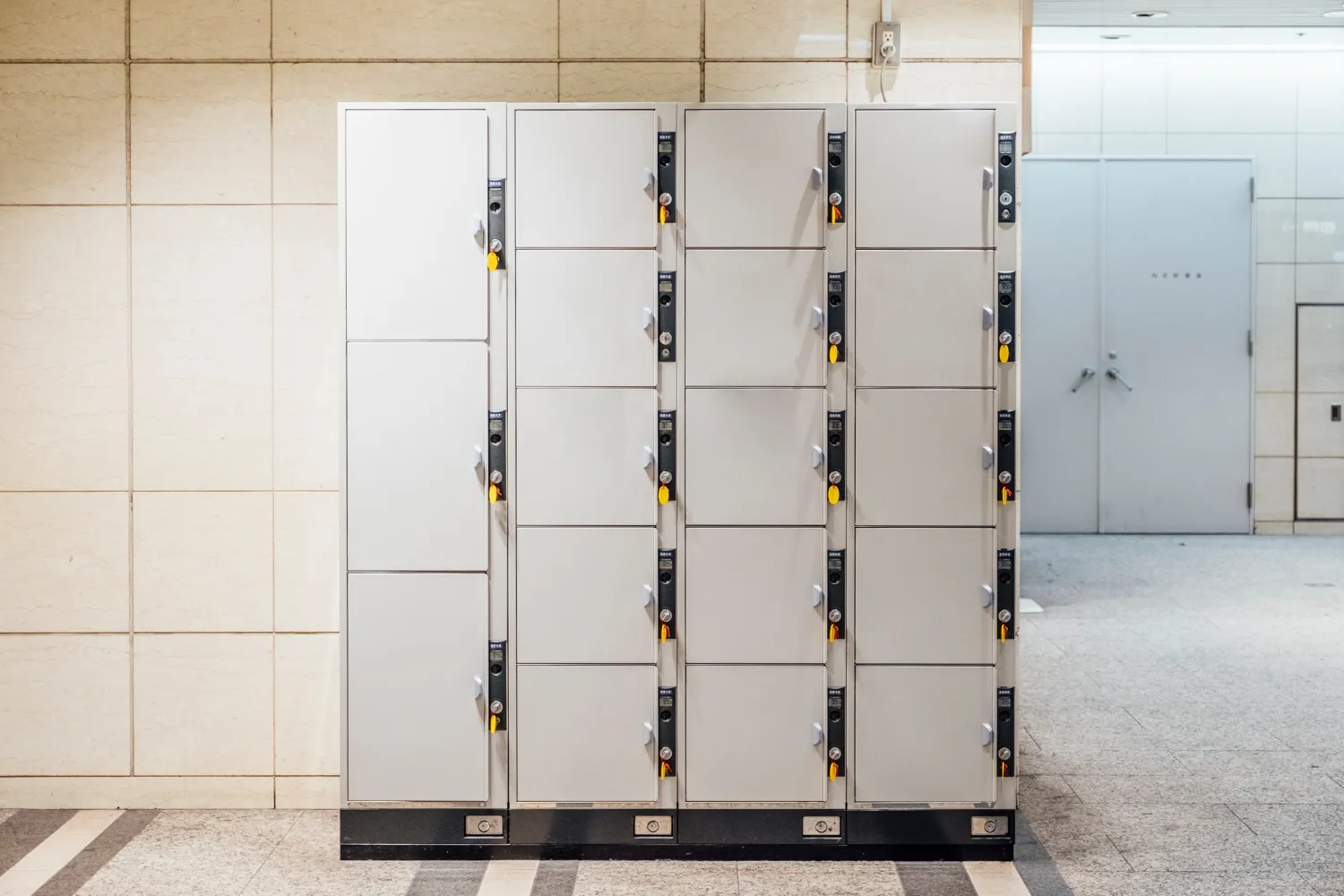

Hot-desking solved the space problem hybrid work created, but it left a quieter one unsolved: where does an employee who doesn't have a fixed desk actually keep their belongings? A properly designed Smart Locker System answers that question directly, and UAE companies reviewing smart locker deployments for hybrid offices are finding that flexible seating only works smoothly when paired with equally flexible, secure personal storage.
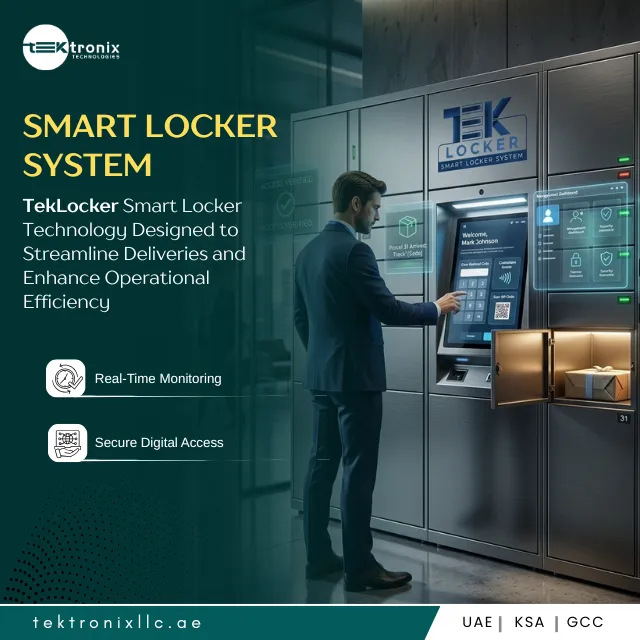
Hybrid work has fundamentally changed what UAE offices need from their physical infrastructure. Employees splitting time between home and office no longer occupy the same desk every day, yet they still need somewhere secure to store a laptop bag, personal items, or documents during the hours they're on-site. Traditional fixed lockers assigned permanently to one person don't fit this reality any better than a fixed desk does, creating demand for genuinely flexible, on-demand storage that adapts to how people actually work now.
Why Hybrid Work Has Created a New Storage Problem
A traditional office with assigned desks solved storage simply — each employee had a drawer or personal locker permanently tied to their workspace. Hot-desking and hybrid schedules broke that arrangement entirely, since an employee working from the office only two or three days a week has no fixed desk to attach a locker to, and permanently assigning a locker to someone using it intermittently wastes capacity that could serve multiple people across the week.
The parcel delivery problem compounds this further. Modern offices receive a constant stream of personal and business deliveries throughout the day, and without a proper system, reception staff end up managing an informal, time-consuming parcel holding area that pulls attention away from actual reception duties while packages pile up waiting for collection.
Introducing TekLocker: Purpose-Built for Flexible Workplaces
TekLocker was designed specifically around this hybrid-work reality, giving UAE offices on-demand, credential-based locker access that adapts to flexible schedules rather than assuming the fixed, permanent assignment model traditional lockers were built around.
Core Applications for Modern Offices
Office Locker System for Hot-Desking Employees
An Office Locker System built for hot-desking lets any employee reserve and access an available locker for the day, storing personal items securely without needing a permanently assigned unit that would sit empty on the days that employee works remotely.
Parcel Locker System for Contactless Deliveries
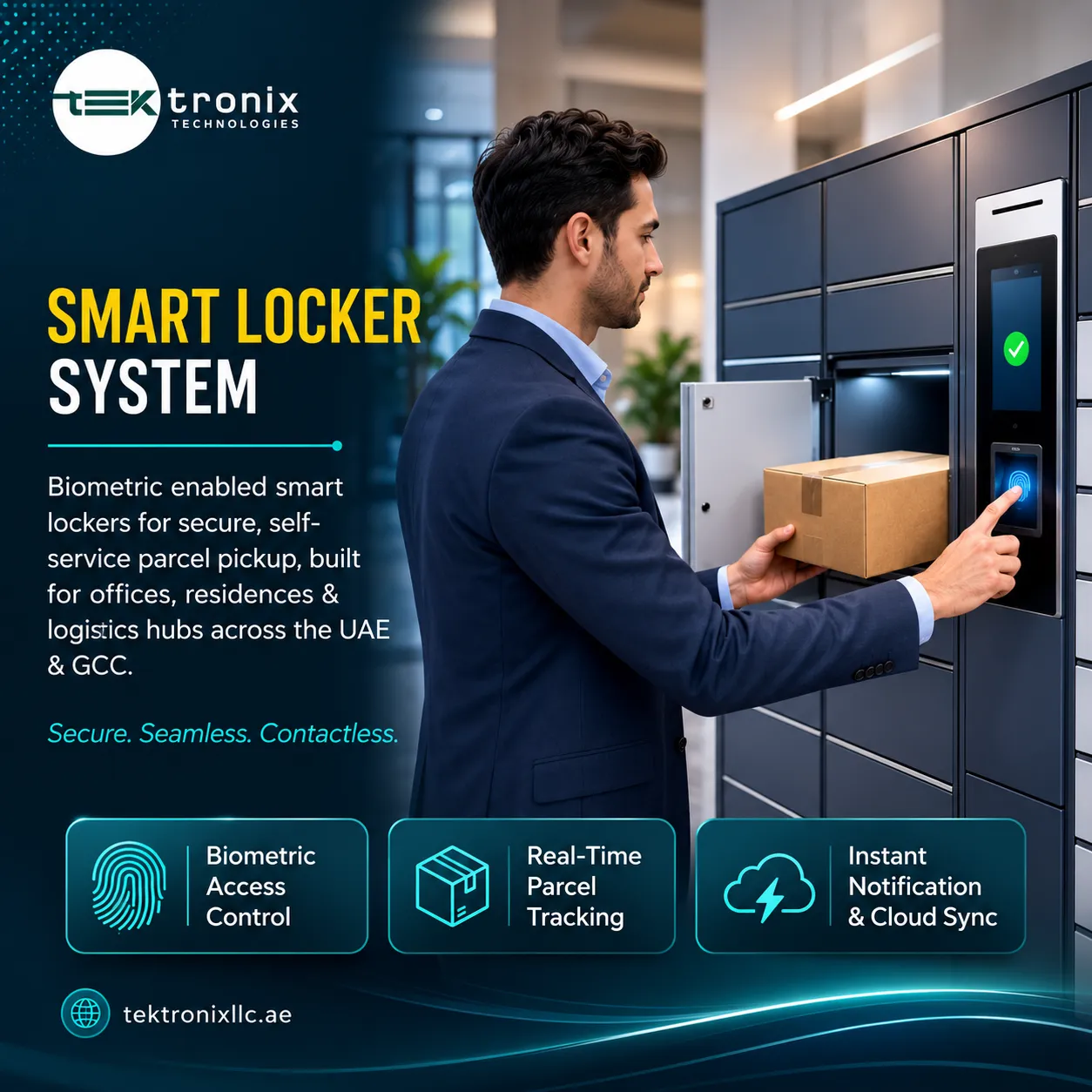
A dedicated Parcel Locker System gives delivery couriers a designated drop-off point and automatically notifies the recipient once their package arrives, removing reception staff from the parcel-handling loop entirely while giving employees a secure, self-service way to collect deliveries at their own convenience.
The Technology Behind Smart Locker Access
Automated Locker System for Instant, Credential-Free Access
An Automated Locker System opens instantly for an authorised employee using an existing access card, mobile credential, or PIN code, removing the need for a physical key that can be lost or a separate credential that adds friction to a process meant to be quick and simple.
Electronic Locker Management for Real-Time Availability Tracking
Behind the scenes, Electronic Locker Management tracks which lockers are currently occupied in real time, letting employees see available units instantly through an app or kiosk display rather than physically checking each locker door to find one that's free.
Managing Lockers at Scale
Employee Locker Management for Rotating Hybrid Schedules
For organisations with genuinely rotating hybrid schedules, Employee Locker Management supports both daily on-demand reservations and longer-term assignments for staff who need more consistent access, giving facilities teams flexibility to match locker allocation to how each department or individual actually works.
Locker Management Software for Centralized Oversight
Facilities and IT teams manage the entire deployment through Locker Management Software that consolidates usage reporting, access logs, and maintenance alerts across every bank of lockers on-site, replacing manual tracking with a single administrative dashboard.
Smart Locker System UAE: Workplace Deployment Across the Emirates
Adoption of a Smart Locker System UAE-wide is growing fastest among corporate offices in Dubai and Abu Dhabi that have formally adopted hybrid or hot-desking policies, recognising that flexible seating arrangements only function smoothly when paired with equally flexible personal storage infrastructure.
Designing Locker Zones for Different Office Needs
Not every locker bank in an office needs identical specification. Larger units near the main entrance suit staff storing bags, jackets, or occasional gym equipment, while smaller compartments positioned near individual floor pantries or meeting room clusters work well for personal items employees want closer to their actual working area during the day rather than a single distant storage point.
Facilities teams planning a rollout should map locker placement against actual office traffic patterns and typical employee routines, rather than defaulting to a single central bank that may create unnecessary walking distance for staff working in a different part of a larger office floor plan.
Data-Driven Facilities Planning Through Usage Analytics
Beyond day-to-day convenience, the usage data a smart locker system generates gives facilities teams genuine insight into hybrid attendance patterns that complement broader workplace analytics. Understanding which days see peak locker demand, and which locker zones run consistently at capacity while others sit underused, helps facilities teams make evidence-based decisions about future capacity planning rather than relying on anecdotal impressions of office usage.
This data can also inform broader hybrid work policy decisions, since consistent patterns in locker demand often mirror desk-booking and general office attendance trends, giving leadership a useful secondary data point when evaluating how well current hybrid work arrangements are actually functioning in practice.
Integration with Existing Workplace Systems
TekLocker's real operational value comes from integrating with systems an office already runs, tying locker access to the same credential employees use for building entry rather than requiring a separate card or app exclusively for locker use. This integration also allows locker reservations to sync with desk-booking systems, letting an employee reserve both a workspace and a locker for the same visit in one coordinated booking flow.
Delivery notifications integrate naturally with existing workplace communication tools, sending a package arrival alert directly through the same channel — email, SMS, or a workplace app — employees already check regularly, rather than requiring them to monitor a separate locker-specific notification system.
The Business Case Beyond Employee Convenience
Facilities teams evaluating smart locker investment should weigh benefits beyond employee convenience alone. Removing informal parcel handling from reception frees staff time for actual visitor management duties, while data on locker utilisation patterns helps facilities teams right-size storage capacity against actual demand rather than guessing at how many lockers a hybrid workforce genuinely needs.
Reduced lost-key and lock-replacement costs also factor into the calculation, since traditional keyed lockers inevitably generate ongoing costs from lost keys and jammed mechanical locks that a credential-based electronic system largely eliminates through its fundamentally different access method.
Regulatory and Privacy Considerations
Locker access systems tied to employee credentials should be designed around UAE PDPL requirements covering data minimisation and retention, particularly for access logs that record when a specific individual used a specific locker. A properly documented policy should specify how long usage data is retained and who within the organisation can access those records.
Why UAE Offices Choose TekLocker from Tektronix
Tektronix designed TekLocker specifically for the flexible storage demands hybrid UAE workplaces face, integrating locker hardware with existing building access credentials and workplace booking systems rather than requiring offices to adopt an entirely separate, disconnected platform. Every deployment includes a usage pattern assessment to properly size locker capacity for the client's actual hybrid schedule mix, along with integration testing against existing access control and communication systems.
Offices planning a hybrid workplace upgrade can review Tektronix's TekLocker smart locker system solutions to compare configurations suited to hot-desking storage, parcel management, or both combined.
Conclusion
Hybrid work solved the office space problem but created a quieter storage problem that traditional fixed lockers were never designed to answer, and a well-implemented Smart Locker System closes that gap directly. TekLocker brings a dedicated Office Locker System for hot-desking staff and a Parcel Locker System for contactless deliveries into one integrated platform. An Automated Locker System removes physical keys entirely, while Electronic Locker Management gives real-time visibility into availability. Employee Locker Management adapts to rotating hybrid schedules, and centralised Locker Management Software gives facilities teams complete oversight. As Smart Locker System UAE adoption grows across hybrid workplaces, offices that invest in genuinely flexible storage now give their people one less daily friction to worry about.
Frequently Asked Questions
1. Can employees use their existing building access card to open a TekLocker?
Yes, TekLocker is designed to integrate with existing building access credentials, letting employees use the same card or mobile credential they already carry rather than managing a separate locker-specific key or code.
2. How does the parcel locker feature notify employees when a delivery arrives?
The system sends an automatic notification through the office's existing communication channel, such as email or a workplace app, the moment a courier deposits a package in an assigned locker.
3. Can lockers be reserved in advance for a specific day, or only used on arrival?
Both options are typically supported, allowing employees to reserve a locker in advance alongside a desk booking, or simply claim any available unit on arrival for that day.
4. What happens if a locker malfunctions or an employee forgets their access credential?
Facilities staff can access a locker through the centralised management platform in either scenario, and the system logs maintenance issues automatically so facilities teams can address hardware problems proactively.
5. How many lockers does a typical hybrid office need?
Locker count should be based on actual hybrid attendance patterns rather than total headcount, and a usage assessment during the planning phase typically helps right-size capacity to genuine daily demand rather than over- or under-provisioning.

























Sign in to leave a comment.