
Introduction
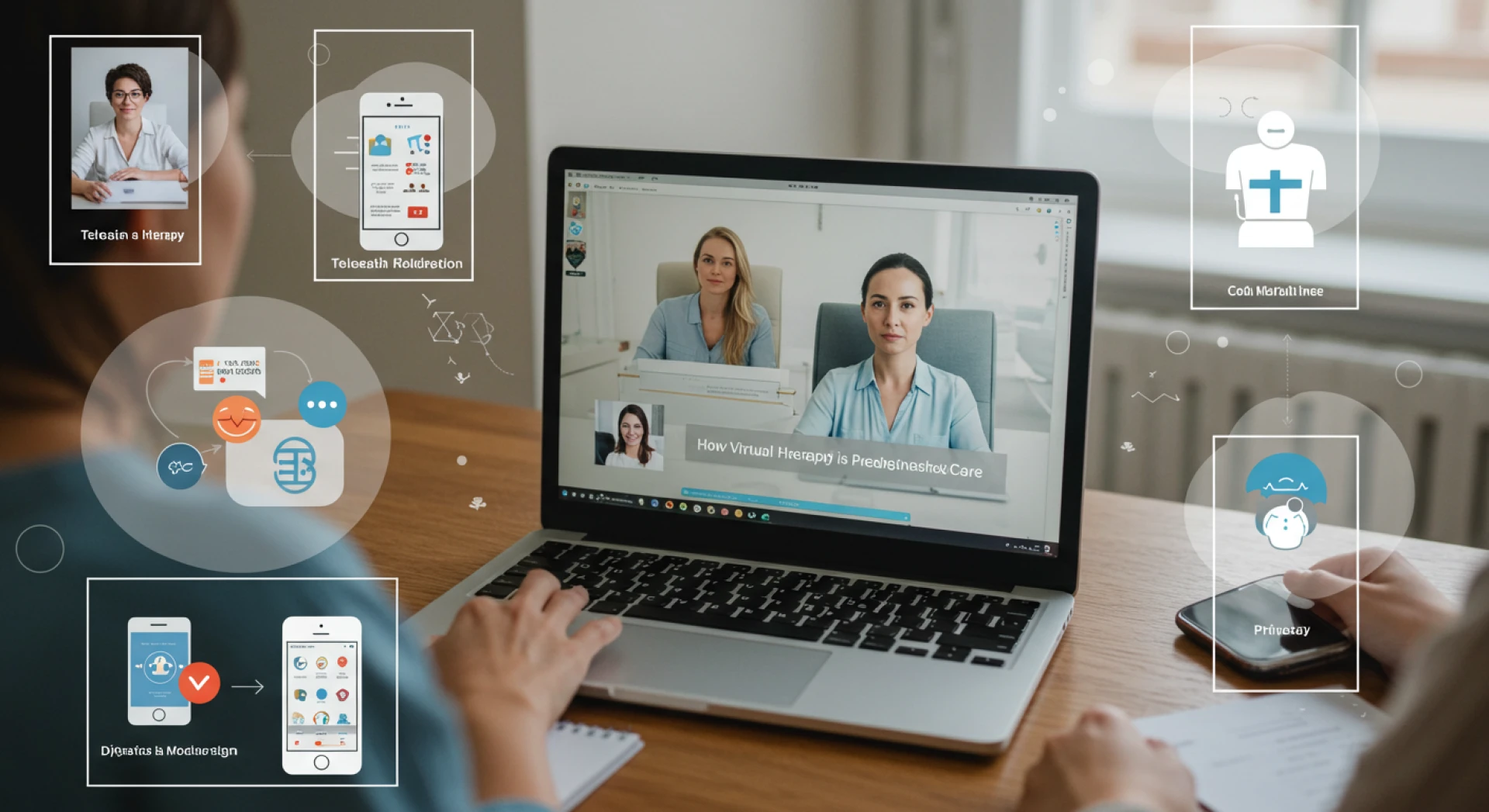
Over the past decade, technology has revolutionized nearly every sector of healthcare. From digital prescriptions to wearable devices, innovations are changing how patients receive treatment. One of the most profound shifts has been in mental health care, where virtual therapy is breaking barriers and creating new opportunities for patients worldwide.
Today, telehealth mental health platforms allow individuals to connect with licensed therapists, psychiatrists, and counselors without stepping into a physical clinic. This evolution is not just about convenience—it’s about accessibility, effectiveness, and reshaping the very way we approach psychological care.
Understanding Telehealth Mental Health
Before diving into its impact, it’s important to understand what telehealth mental health means. At its core, it refers to the delivery of psychiatric evaluations, counseling, therapy sessions, and even medication management through digital platforms. Patients can access services via secure video conferencing, phone calls, or messaging systems.
The model gained significant momentum during the COVID-19 pandemic, when social distancing forced both providers and patients to seek alternatives to traditional in-person care. Today, virtual therapy has moved from being a temporary solution to a permanent, mainstream method of delivering care.
Why Telehealth is Transforming Mental Health Care
The demand for accessible and effective care has never been greater. According to the National Institute of Mental Health, nearly 1 in 5 adults in the U.S. experiences a mental illness each year, yet many go untreated due to lack of access, stigma, or financial barriers.
By leveraging telehealth mental health services, providers are now able to:
- Reach patients in rural or underserved areas.
- Reduce wait times by offering flexible scheduling.
- Provide continuity of care even during travel or illness.
- Remove transportation and time-related obstacles.
The Benefits of Virtual Therapy
1. Accessibility for All
One of the greatest advantages of telehealth mental health is that it brings care to people who may otherwise have none. Patients in rural communities or those with limited mobility now have access to licensed professionals.
2. Reduced Stigma
For many, walking into a clinic is intimidating. Virtual care allows individuals to receive therapy privately, reducing social stigma and encouraging more people to seek help.
3. Cost-Effectiveness
Telehealth often lowers costs by eliminating commuting expenses and reducing overhead for providers.
4. Flexibility and Convenience
From busy professionals to parents juggling responsibilities, virtual care provides flexibility that fits modern lifestyles.
5. Evidence-Based Effectiveness
Studies published in the Journal of Affective Disorders confirm that online therapy is just as effective as traditional in-person treatment for conditions such as anxiety and depression.
Addressing the Challenges
While the benefits are substantial, telehealth mental health also faces challenges:
- Digital Divide: Patients without reliable internet or devices may struggle to participate.
- Privacy Concerns: Confidentiality must be safeguarded with secure platforms.
- Insurance Coverage: While improving, not all plans fully cover telehealth services.
- Therapeutic Connection: Some patients feel less personal connection online compared to face-to-face sessions.
Recognizing these challenges allows providers to develop solutions that make virtual care more inclusive and effective.
Patient Experience in Virtual Therapy
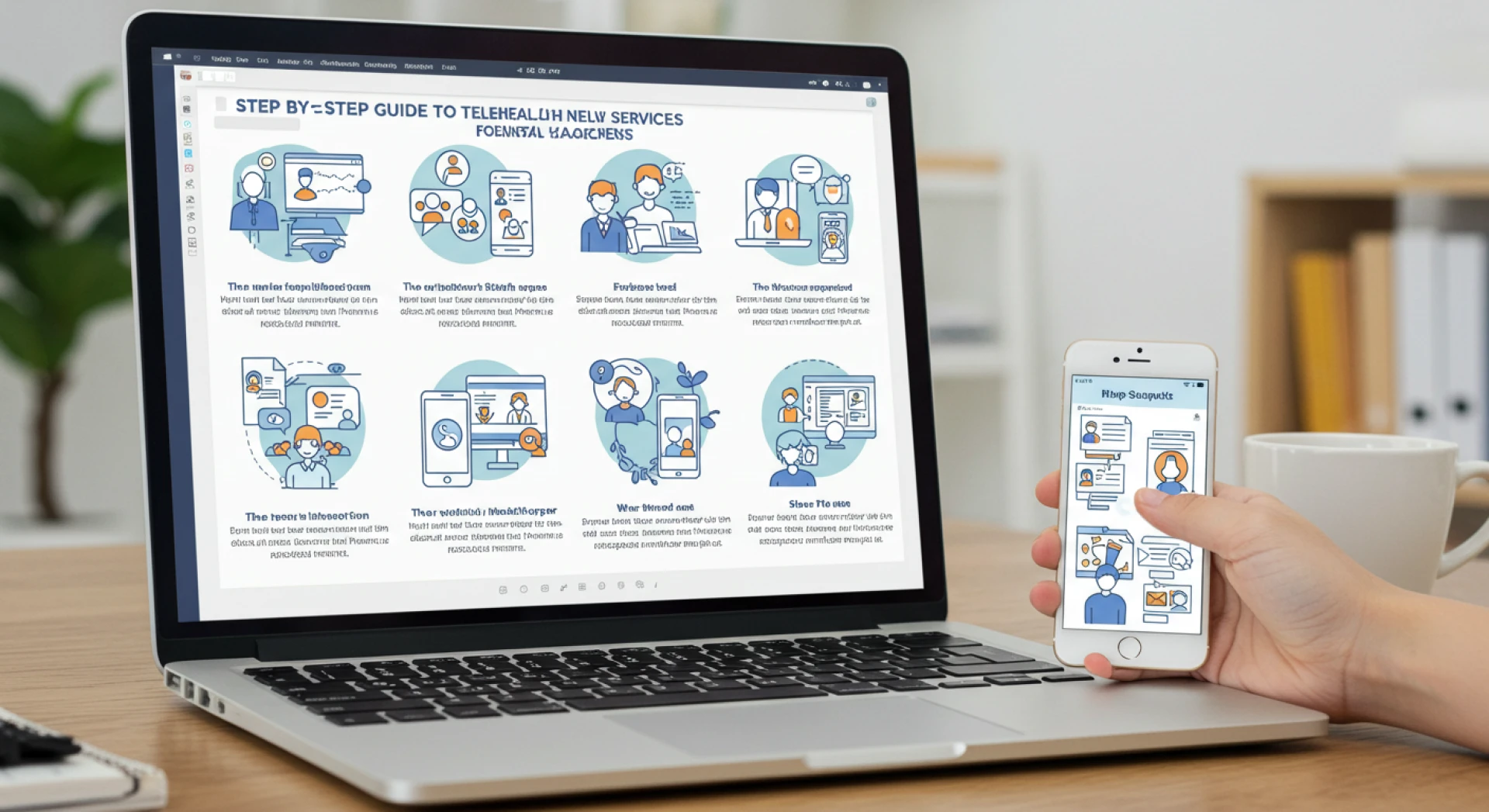
A typical virtual therapy journey often looks like this:
- Initial Assessment: Patients complete an online intake form detailing medical and mental health history.
- First Session: Providers discuss goals, treatment options, and expectations.
- Ongoing Sessions: Conducted through secure video calls, focusing on coping strategies, mindfulness, or cognitive-behavioral therapy (CBT).
- Medication Management: For patients requiring psychiatric support, prescriptions can be managed digitally.
This streamlined process demonstrates how telehealth mental health solutions can create a seamless patient experience.
The Role of Technology in Expanding Care
Advancements in digital tools continue to strengthen virtual mental health services. Key innovations include:
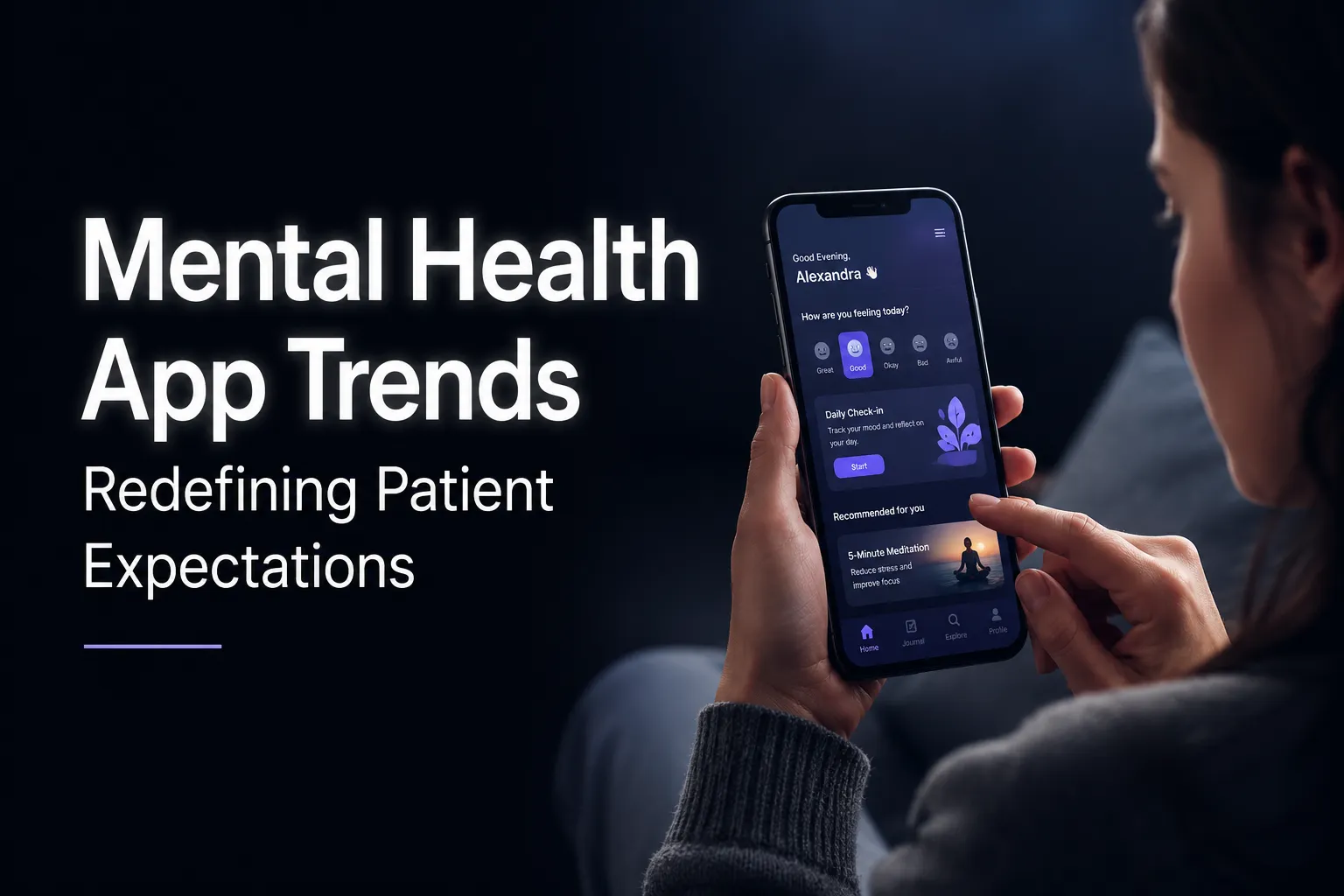
- Mobile Apps: Daily tracking of mood, sleep, and stress levels.
- AI Support Systems: Chatbots that offer guided exercises or crisis support.
- Wearable Devices: Collect real-time biometric data to monitor anxiety or stress.
- Virtual Reality Therapy: Used for exposure therapy in treating phobias or PTSD.
Technology ensures that telehealth mental health continues to evolve into a more interactive, personalized experience.
Global Perspective: Telehealth Beyond the U.S.
The adoption of virtual mental health care is not limited to the United States. In countries like the UK, Canada, and Australia, government-supported initiatives are expanding online therapy access to underserved populations. The World Health Organization emphasizes telehealth as a cornerstone in global mental health strategies, particularly in low-resource settings.
The Future of Mental Health Care
Looking ahead, the integration of artificial intelligence, machine learning, and predictive analytics promises to revolutionize the way therapy is delivered. Future models may include:
- Real-time stress detection via wearables.
- AI-assisted triage to match patients with ideal providers.
- Fully immersive virtual therapy environments.
These innovations ensure that telehealth mental health will continue to play a central role in improving patient outcomes worldwide.
Tips for Patients Considering Virtual Therapy
If you’re considering online therapy, here are practical tips to make the most of it:
- Choose a private, quiet space for sessions.
- Test your internet connection before meetings.
- Keep a therapy journal to track insights and progress.
- Be open and honest with your provider about your comfort level online.
- Review your insurance plan to confirm coverage.
Conclusion
The rise of virtual therapy marks a turning point in healthcare delivery. By making care more accessible, affordable, and effective, telehealth mental health is not just a trend—it’s the future of patient care.
For individuals who once faced barriers like distance, cost, or stigma, online therapy is a lifeline, offering personalized support when it’s needed most. As technology continues to advance, the possibilities for expanding and enhancing care will only grow, ensuring better outcomes for patients around the globe.




























Sign in to leave a comment.