
Introduction
Mental health plays a vital role in overall well-being, yet millions of people face barriers when trying to access the care they need. Long wait times, transportation challenges, and stigma often prevent individuals from seeking help. Thankfully, Professional telehealth services for mental health have made it easier than ever for patients to connect with licensed therapists, counselors, and psychiatrists online.
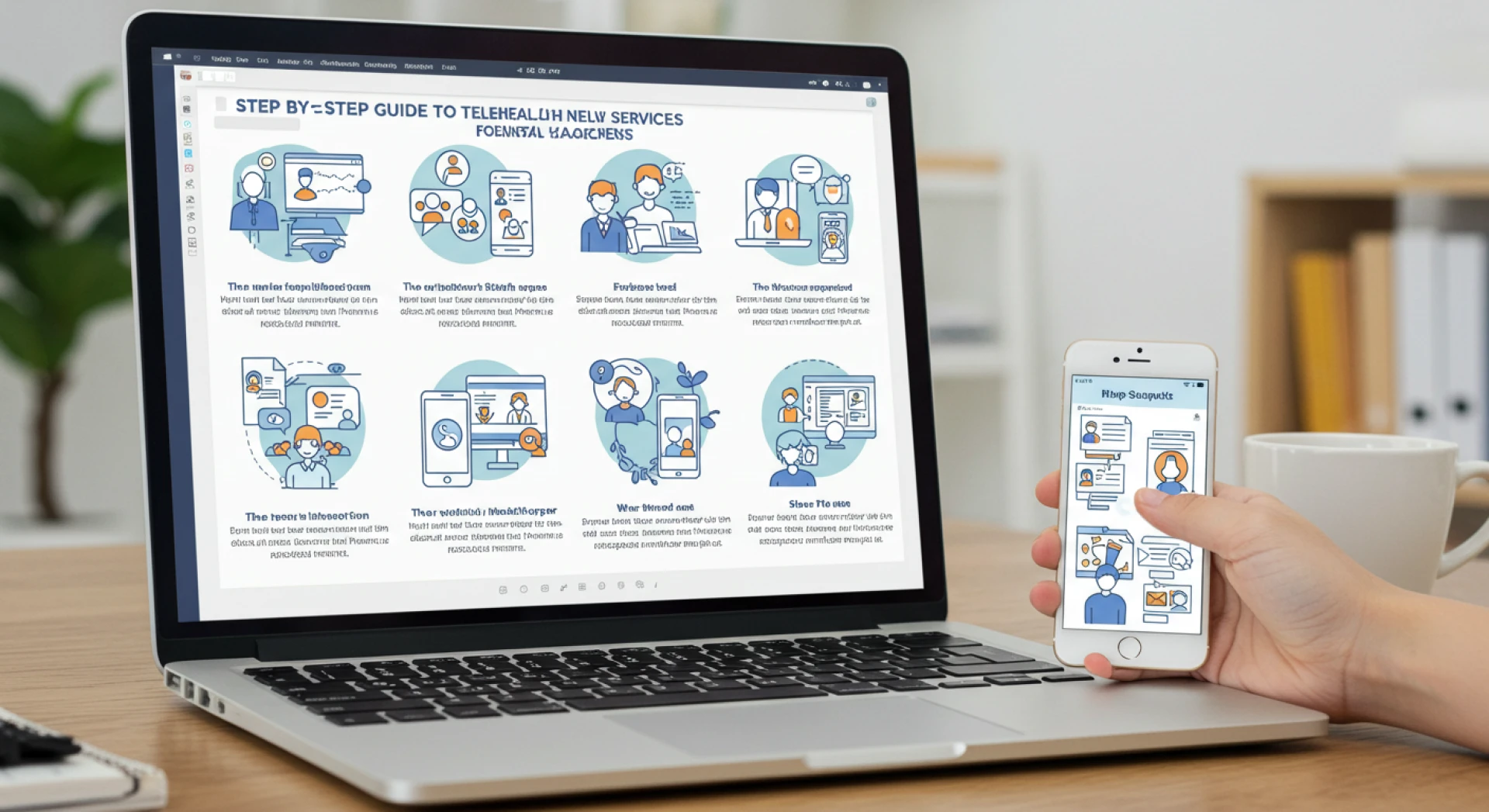
This guide provides a step-by-step look at how telehealth works, what to expect during virtual sessions, and how patients can maximize their experience. Whether you’re considering therapy for the first time or transitioning from in-person care, understanding the process can make the journey smoother and more empowering.
Step 1: Understanding Telehealth Services for Mental Health
Telehealth refers to the use of technology—such as video calls, secure messaging, or phone consultations—to deliver healthcare remotely. When applied to mental health, it provides therapy, counseling, medication management, and psychiatric evaluations online.
Telehealth services for mental health are designed to break down barriers, making it possible for individuals to receive care from virtually anywhere. Studies by the American Psychological Association confirm that virtual therapy is as effective as in-person care for common conditions like depression, anxiety, and PTSD.
Step 2: Identifying Your Needs
Before starting telehealth, it’s important to evaluate your mental health goals. Patients may seek care for:
- Anxiety and panic disorders
- Depression and mood changes
- Post-traumatic stress disorder (PTSD)
- ADHD and behavioral concerns
- Relationship or family struggles
- Stress and burnout
- Substance use recovery
Clarifying your needs helps match you with the right professional through telehealth services for mental health platforms.
Step 3: Choosing the Right Provider
Finding the right provider is crucial for effective treatment. Consider:
- Credentials: Ensure your therapist or psychiatrist is licensed.
- Specialization: Match their expertise with your specific condition.
- Availability: Look for flexible scheduling to fit your routine.
- Insurance Coverage: Confirm whether virtual care is included in your plan.
Most platforms allow patients to browse provider profiles and read reviews before booking.
Step 4: Preparing for Your First Session
Preparation sets the stage for success. To get started:
- Set Up Technology – Ensure a strong internet connection, working microphone, and camera.
- Create a Private Space – Choose a quiet, comfortable location for your session.
- Write Down Goals – Note what you want to discuss with your provider.
- Have Materials Ready – Keep a notebook or digital journal handy for insights.
Proper preparation makes telehealth services for mental health more productive and engaging.
Step 5: Attending Virtual Sessions
A typical session looks much like in-person therapy:
- Check-In: Providers ask about progress and recent challenges.
- Discussion: Patients share experiences, while therapists offer tools and strategies.
- Techniques: Sessions may include cognitive-behavioral therapy (CBT), mindfulness, or coping exercises.
- Next Steps: Providers outline action items for continued progress.
For patients, the virtual format quickly becomes natural and supportive.
Step 6: Following Through With Treatment Plans
Consistency is key. Providers often recommend:
- Weekly or bi-weekly sessions.
- Practicing coping techniques between appointments.
- Using digital resources like worksheets or mindfulness apps.
- Tracking progress with journals or wellness tools.
Staying engaged ensures that telehealth services for mental health are just as effective as in-person therapy.
Step 7: Addressing Challenges
Patients may face obstacles such as:
- Technical Issues: Poor internet can interrupt sessions.
- Privacy Concerns: Families or roommates may overhear sensitive discussions.
- Motivation Drops: Skipping sessions reduces progress.
Overcoming these challenges requires proactive communication with providers and commitment to treatment.
Benefits of Telehealth Services for Mental Health
Virtual care provides unique advantages:
- Accessibility – Expands reach to underserved communities.
- Affordability – Reduces travel and related costs.
- Flexibility – Fits therapy into busy schedules.
- Privacy – Patients can engage in care discreetly from home.
- Continuity – Enables consistent support even during travel or illness.
These benefits explain why telehealth services for mental health have grown so rapidly worldwide.
Who Should Consider Telehealth?
Virtual care is a good fit for individuals who:
- Have difficulty traveling to clinics.
- Prefer privacy while seeking therapy.
- Need flexible appointment options.
- Live in areas with limited providers.
While effective for many, patients in crisis situations or requiring inpatient treatment should seek immediate in-person care.
Tips for Maximizing the Experience
To make the most of telehealth:
- Commit to Consistency – Keep sessions on schedule.
- Engage Actively – Participate with focus and honesty.
- Use Digital Tools – Track mood, sleep, and progress with apps.
- Communicate Needs – Share feedback about therapy effectiveness.
By following these practices, patients can ensure their telehealth services for mental health journey is both effective and rewarding.
The Future of Telehealth in Mental Health
The landscape continues to evolve with innovations like:
- AI Support Tools: Algorithms to identify early symptoms.
- Wearable Devices: Monitoring stress and sleep patterns for real-time insights.
- Virtual Reality Therapy: Used for trauma and exposure therapy.
- Global Access: Platforms connecting patients with international specialists.
As technology grows, telehealth services for mental health will become even more personalized and accessible.
Conclusion
Telehealth has revolutionized mental health care by removing barriers and empowering patients to access treatment in new, flexible ways. With the right preparation, provider, and commitment, online therapy can be just as effective as traditional in-person sessions.
For individuals seeking consistent, affordable, and private care, telehealth services for mental health represent a powerful tool for recovery and long-term well-being.































Sign in to leave a comment.