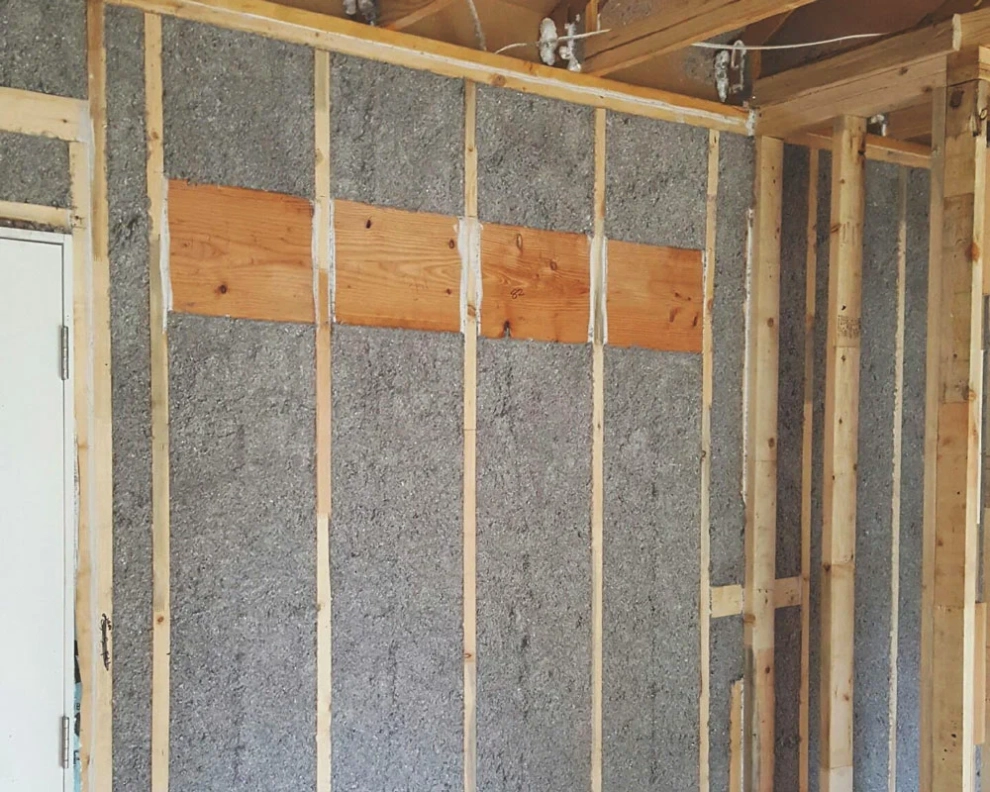

Dense pack cellulose is a popular and highly effective type of insulation made from recycled paper products, primarily newspaper. It's installed by blowing it at high pressure into enclosed spaces like empty wall cavities. The "dense pack" method is key; it ensures the material is packed tightly enough (around 3.5 pounds per cubic foot) to completely fill the space, prevent air movement, and eliminate settling over time.
For homeowners, especially those with older houses that have little to no wall insulation, dense packing cellulose is one of the most practical and efficient ways to improve comfort and reduce energy bills. This article will cover ten essential facts about this material that every homeowner should understand before making a decision.
1. It Has Strong Environmental Credentials
Cellulose insulation is one of the greenest building materials available. It's typically made from up to 85% post-consumer recycled newspaper, diverting tons of waste from landfills. The energy required to produce cellulose is also remarkably low compared to other insulation types like fiberglass or foam, which require a much more energy-intensive manufacturing process.
2. It Is an Excellent Insulator
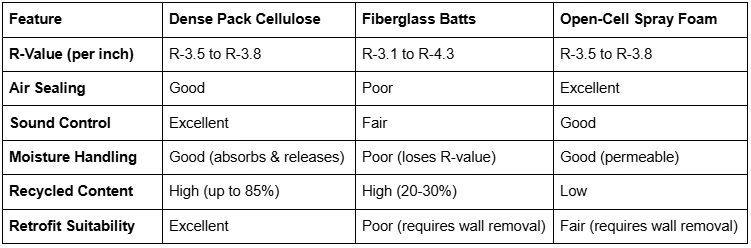
Dense pack cellulose has a good R-value, typically around R-3.5 to R-3.8 per inch. In a standard 2x4 wall, this provides an R-value of about R-13, and in a 2x6 wall, it's closer to R-21. Because it's blown into place, it forms a custom fit, filling every crack and crevice around pipes, wiring, and outlets. This seamless fit means its real-world performance is often better than that of fiberglass batts, which can easily have gaps that compromise their effectiveness.
3. It Greatly Reduces Air Leakage
While not a true air barrier like closed-cell spray foam, dense pack cellulose insulation is a formidable air retarder. When installed at the proper density, it is so tightly packed that air has a very difficult time moving through it. Since air leakage is a major source of energy loss in most homes, this quality significantly boosts a home's overall efficiency. It helps stop cold winter drafts and keeps hot summer air out.
4. The Installation is Minimally Invasive
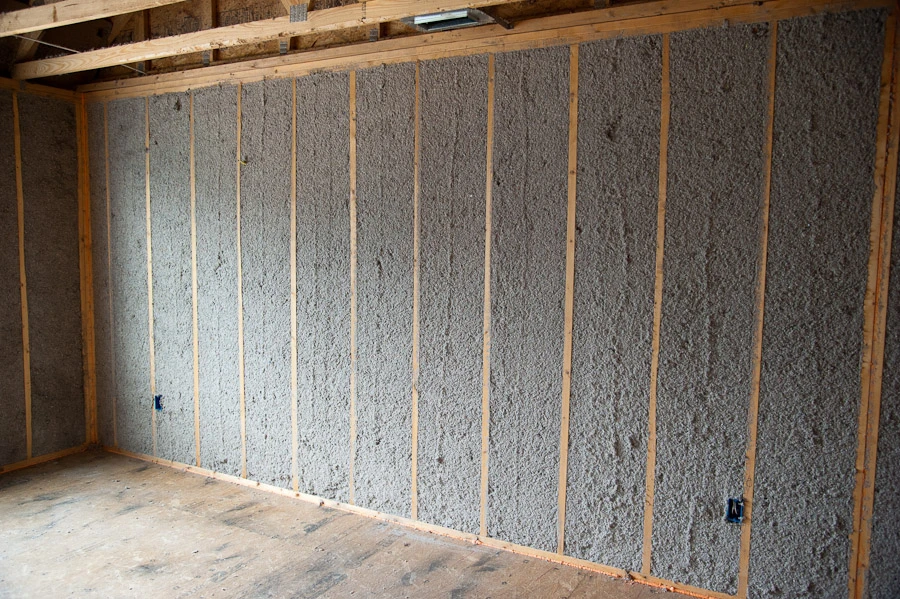
One of the biggest advantages of dense pack cellulose is that it can be installed in existing homes without tearing out the walls. Professionals can typically install it from the outside by removing a row of siding, drilling small holes into each stud bay, blowing the insulation in, and then plugging the holes and replacing the siding. This makes it an ideal solution for retrofitting older, uninsulated homes.
5. It is Highly Fire-Resistant
It may seem counterintuitive that paper can be fire-resistant, but it's true. During manufacturing, cellulose is treated with borates, a natural mineral that acts as a powerful fire retardant. When exposed to flame, the borates cause the cellulose to char, which blocks the oxygen supply and slows the spread of the fire. In fire-demonstration tests, a wall insulated with cellulose can often outperform an uninsulated wall.
6. It's a Natural Pest Deterrent
The same borate treatment that provides fire resistance also makes cellulose an unwelcome home for pests. Borates are toxic to insects like ants and cockroaches, and they are an irritant to rodents. While not a complete pest-control solution on its own, it makes the wall cavities a much less hospitable environment for unwanted guests.
7. It Manages Moisture Well
Cellulose has the ability to absorb and release water vapor without losing its structural integrity or R-value. This property, known as hygric buffering, allows it to manage humidity within a wall cavity, pulling moisture away from the wood framing and releasing it slowly as conditions dry out. This can help protect the structure from moisture damage, unlike fiberglass, which can lose its insulating ability when it gets damp.
8. It Is an Excellent Sound Blocker
The density and fibrous texture of dense pack cellulose make it a superior sound-dampening material. It is very effective at reducing airborne sound transmission through walls. Homeowners often notice a significant reduction in outside noise from traffic or neighbors after having their walls insulated. It's also a great choice for interior walls to reduce noise between rooms, such as in a home office or media room.
A Quick Comparison: Dense Pack Cellulose vs Other Wall Insulations
9. Proper Installation is Everything
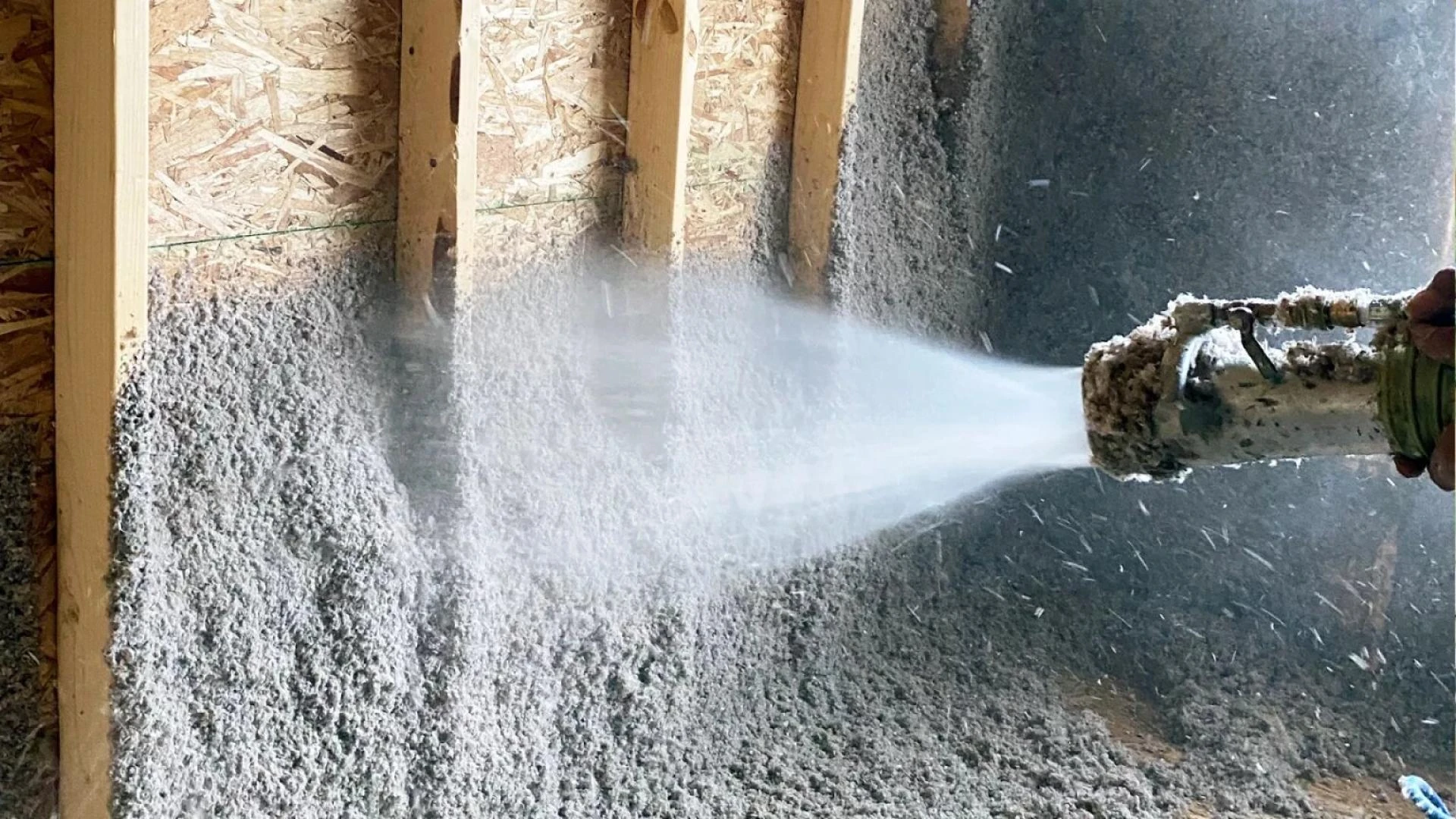
This fact cannot be overstated. The performance of dense pack cellulose depends entirely on achieving the correct density. If it's not packed tightly enough, it can settle over time, leaving a gap at the top of the wall. This is not a DIY job. It requires a powerful, commercial-grade insulation blower and experienced technicians who can verify they've reached the target density of at least 3.5 pounds per cubic foot.
- Bonus Tip: Ask your installer to show you their process for verifying density. This might involve weighing a test box or calculating the volume of the wall cavities and tracking the number of bags used.
10. It Is a Safe and Healthy Material
The borates used in cellulose insulation are of low toxicity to humans and pets. Unlike older insulation materials, modern cellulose does not contain asbestos or formaldehyde. The dust created during installation is a nuisance, but professional crews use dust-collection systems, and it settles quickly. Once it's in the walls, it is stable and does not release any harmful chemicals into the home.
Answering Your Questions About Dense Pack Cellulose
Is it a good choice for new construction?
Yes, it's an excellent choice. For new homes, a special mesh fabric is stapled over the open stud cavities before the drywall goes up. The cellulose is then blown in behind this mesh, creating a perfect, dense fill.
Can it be used in an attic?
Cellulose is very popular for attics, but it's typically installed as loose-fill, not dense-packed. In an attic, it's blown to a much lower density to create a thick, fluffy blanket over the ceiling joists.
What happens if it gets seriously wet, like from a pipe bursting?
Like any insulation, if it becomes saturated from a major water leak, it will need to be removed from the affected area to allow the structure to dry out properly. However, for minor moisture, its ability to absorb and release vapor is a benefit.
How long does the installation take?
For a typical small-to-medium-sized home, insulating the exterior walls with dense pack cellulose usually takes one to two days.
Is it more expensive than fiberglass?
The installed cost is often comparable to or slightly higher than professionally installed fiberglass batts. However, its superior performance in air sealing and filling gaps often leads to greater energy savings, providing a better long-term value.
A Proven Solution for Comfort and Efficiency
Dense pack cellulose insulation is a time-tested material that offers a fantastic balance of thermal performance, air sealing, sound control, and sustainability. For homeowners looking to upgrade the comfort and efficiency of an existing home without major renovations, it is one of the best options available. The key to success is hiring a qualified, experienced contractor who understands the importance of installing it at the proper density.
Consult With an Insulation Professional
To find out if dense pack cellulose is the right solution for your home, the best next step is a professional consultation. An experienced insulation contractor can assess your home's current condition and provide recommendations tailored to your specific needs and budget. The team at High Country Solutions, for instance, specializes in modern, sustainable insulation materials and can offer expert guidance on improving home performance. For more information, they can be contacted at [email protected] or by calling (307) 248-9063.
Author: Skeeter Aimone, co-founder of High Country Solutions, develops eco-friendly products to improve home energy efficiency. Brad Morrison leads the company’s technology strategy, creating systems that enhance building performance with a focus on environmental responsibility. Established in 2018, they bring years of experience to advancing sustainable building practices through high-performance, responsible insulation materials.
Reviewer: Samuel Harris has worked across various roles in spray foam insulation over 11 years. His review focused on the technical accuracy of the material properties and installation methods described.



























Sign in to leave a comment.