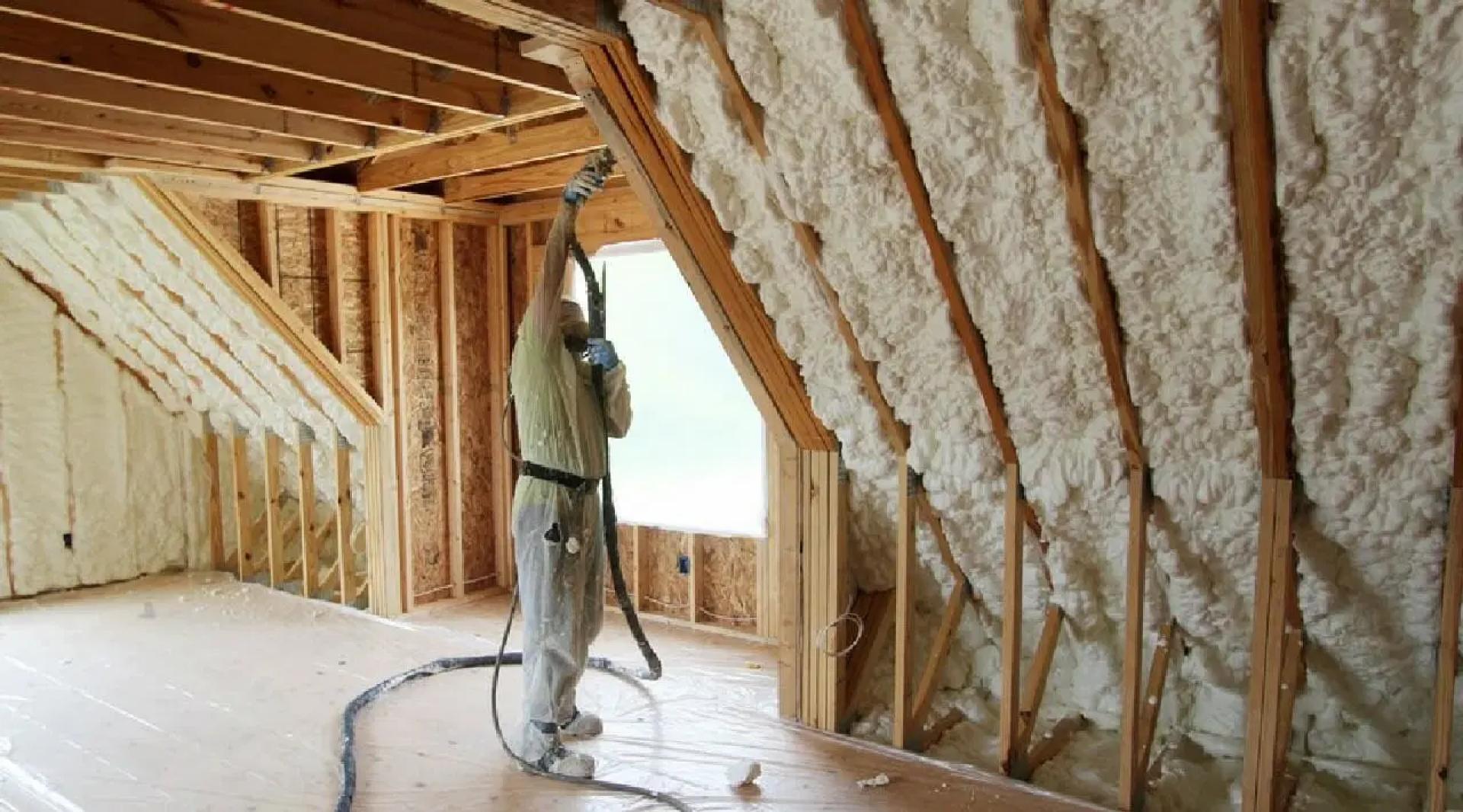

Yes, open cell spray foam will absolutely contribute to a quieter living space. In fact, it is one of the most effective insulation materials available for sound dampening and noise reduction. Its unique physical structure, which is soft, pliable, and full of interconnected air pockets, is exceptionally good at absorbing sound waves and deadening vibrations. When installed in walls, floors, or ceilings, open cell spray foam creates a significant barrier to noise, resulting in a home that is noticeably more peaceful and serene.
While all insulation provides some level of acoustic benefit, open cell spray foam insulation is often chosen specifically for its superior sound control properties. This article will explain the science behind how it works, where it is most effective, and how it compares to other materials. The information is based on established acoustic principles and the practical knowledge of insulation professionals who specialize in creating quiet, comfortable homes.
How Open Cell Foam Manages Sound
Sound travels in waves. When these waves hit a hard, flat surface like drywall, they tend to bounce off and reflect around the room. This is what creates echoes and makes a space feel loud. Open cell spray foam works against this in two primary ways:
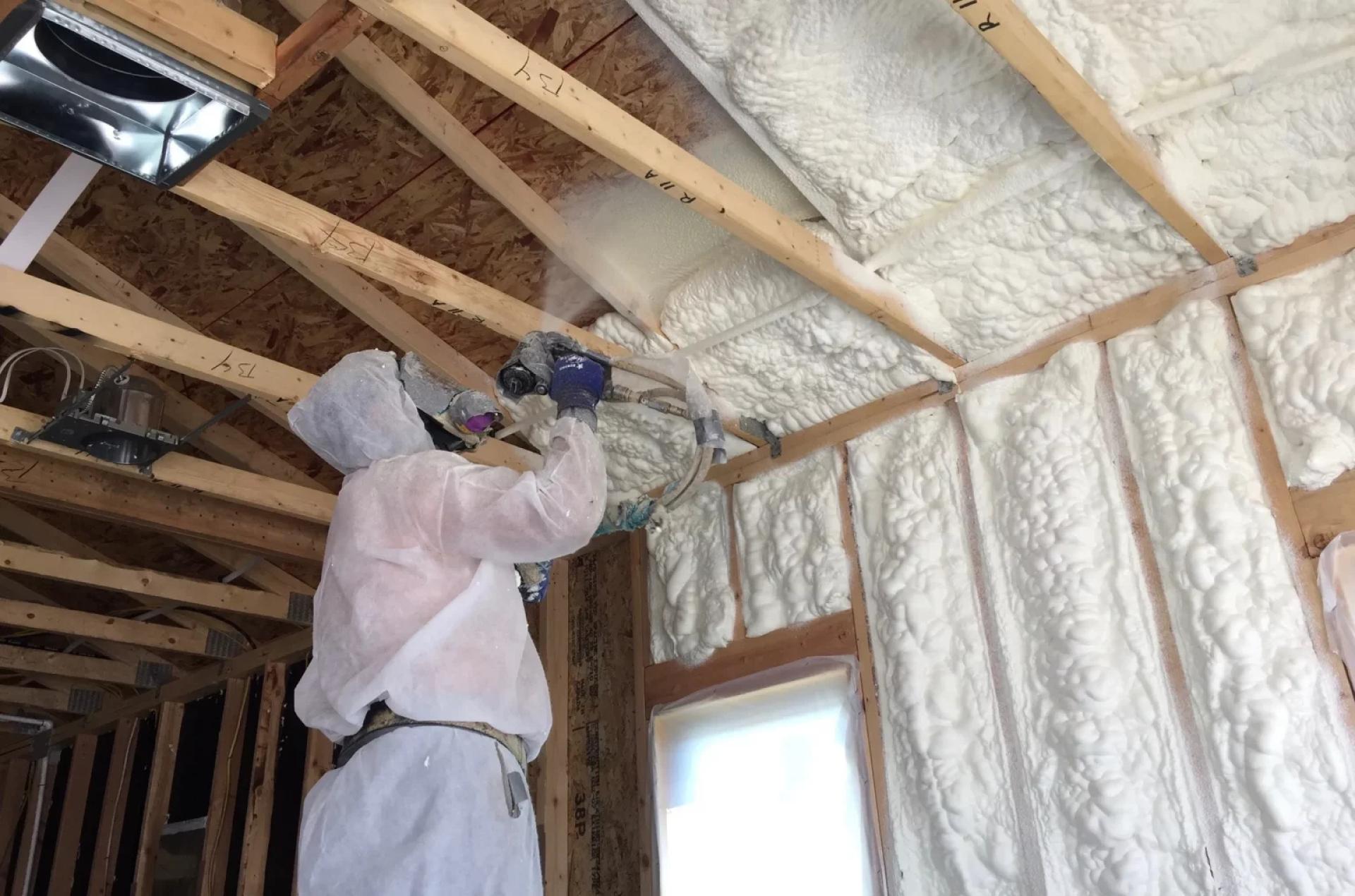
- Sound Absorption: The most important characteristic of open cell foam is its texture. It is not a rigid material; it is a soft, flexible foam with a structure similar to a sponge. When sound waves hit this soft surface, instead of reflecting, they penetrate the foam. As the sound energy travels through the millions of tiny, interconnected air cells, it is converted into a very small amount of heat, effectively killing the sound.
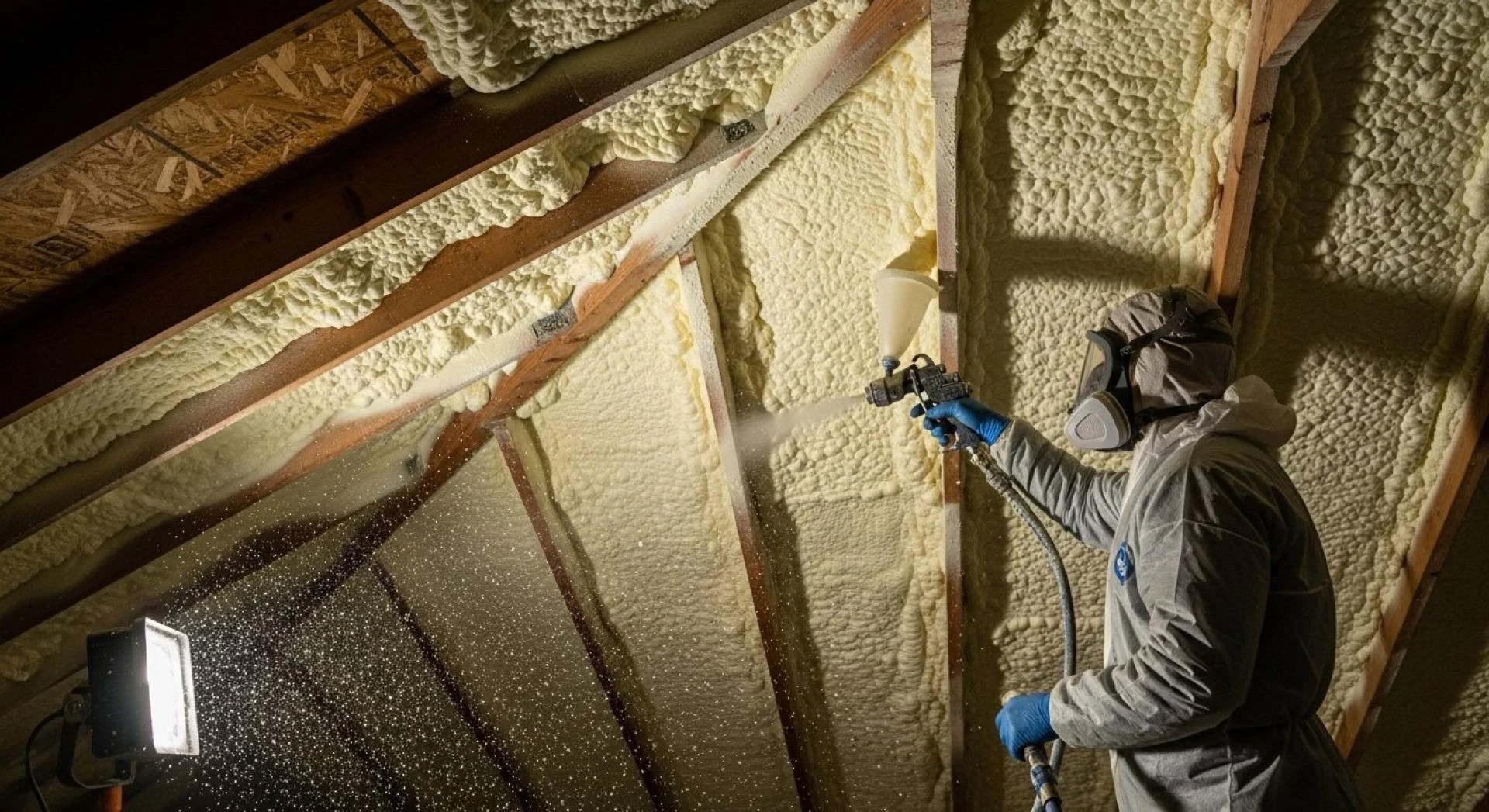
- Air Sealing: Open cell foam is also an excellent air sealer. When sprayed into a wall cavity, it expands to fill every single crack and crevice, creating an airtight seal. This is crucial because many sounds, particularly high-frequency ones like voices, are airborne. By stopping the air from moving through the wall, you also stop the sound that the air is carrying.
This combination of absorption and air sealing makes open cell foam a powerful tool for controlling unwanted noise.
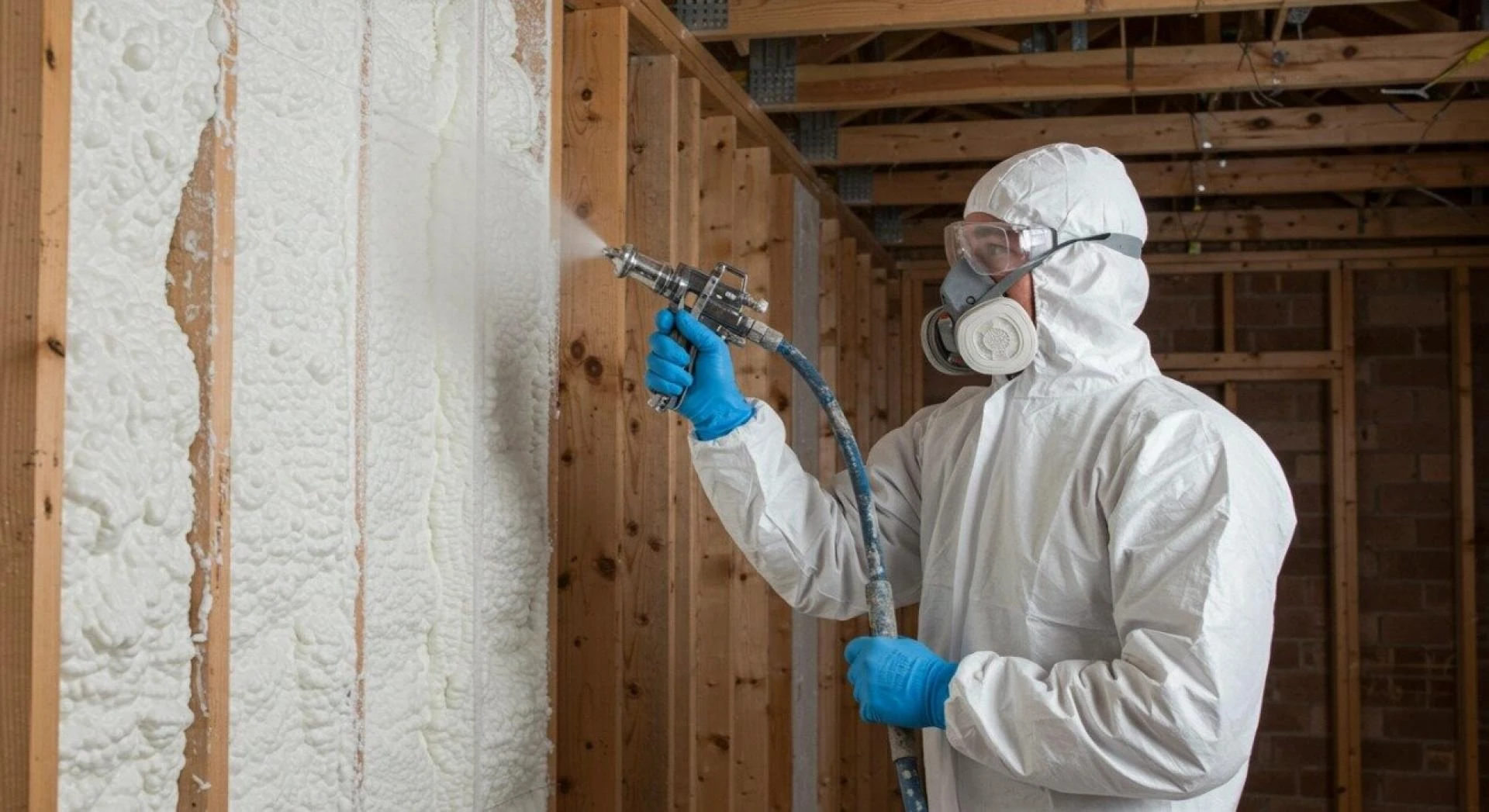
Where to Use Open Cell Foam for Maximum Impact
Because of its exceptional sound-absorbing qualities, open cell foam is the ideal choice for managing noise within a home. It helps create privacy and reduces disturbances between different living areas. Some of the most common and effective applications include:
- Home Theaters and Media Rooms: This is a classic use case. The goal in these rooms is to create a controlled acoustic environment and to prevent the sound of movies and music from bothering the rest of the household. Open cell foam in the walls and ceiling is perfect for this.
- Bedrooms and Home Offices: Insulating the walls around these rooms can create a quiet sanctuary for rest or focused work, free from the noise of the kitchen or living room.
- Bathrooms and Laundry Rooms: The sound of running water, flushing toilets, and vibrating washing machines can be disruptive. Insulating the walls of these utility spaces helps contain the noise.
- Floors: When installed in the cavity between a first and second floor, open cell foam is very effective at dampening the sound of footsteps, voices, and televisions from the level below or above.
Bonus Tip: For the best possible sound control in a room, the application should be combined with other soundproofing techniques. Using resilient channels to decouple the drywall from the studs and installing a solid-core door can work with the foam to create a truly sound-isolated space.
Open Cell vs. Closed Cell Foam for Sound Control
Different insulation materials have different strengths when it comes to acoustics. Here’s a look at how open cell foam stacks up against another common choice, closed cell foam.
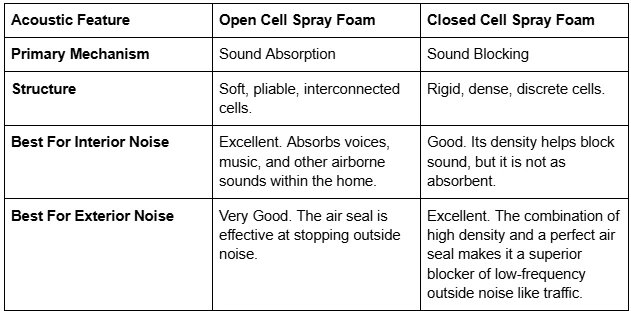
While open cell is the champion of sound absorption, closed cell foam's density makes it a better sound blocker, particularly for low-frequency noises coming from outside the home. The choice between them often depends on the specific type of noise you are trying to control.
Things to Consider Before Making a Decision
If your primary goal is to create a quieter home, there are a few key things to think about before you choose your insulation.
- Identify the Source and Type of Noise: Are you trying to stop the sound of your teenager's music from getting out of their room, or are you trying to block the rumble of traffic from a nearby road? The first is a job for an absorber like open cell foam. The second is a job for a blocker like closed cell foam.
- Evaluate the Entire Assembly: The insulation is only one part of the wall. The type and thickness of the drywall, the presence of any air gaps (like back-to-back electrical boxes), and the quality of the windows and doors all have a huge impact on sound transmission. A holistic approach is always best.
- Remember Its Other Properties: While open cell foam is a great sound dampener, it is important to remember it is not a vapor barrier. In cold climates, it may need to be paired with a separate vapor retarder when used on exterior walls to prevent moisture issues.
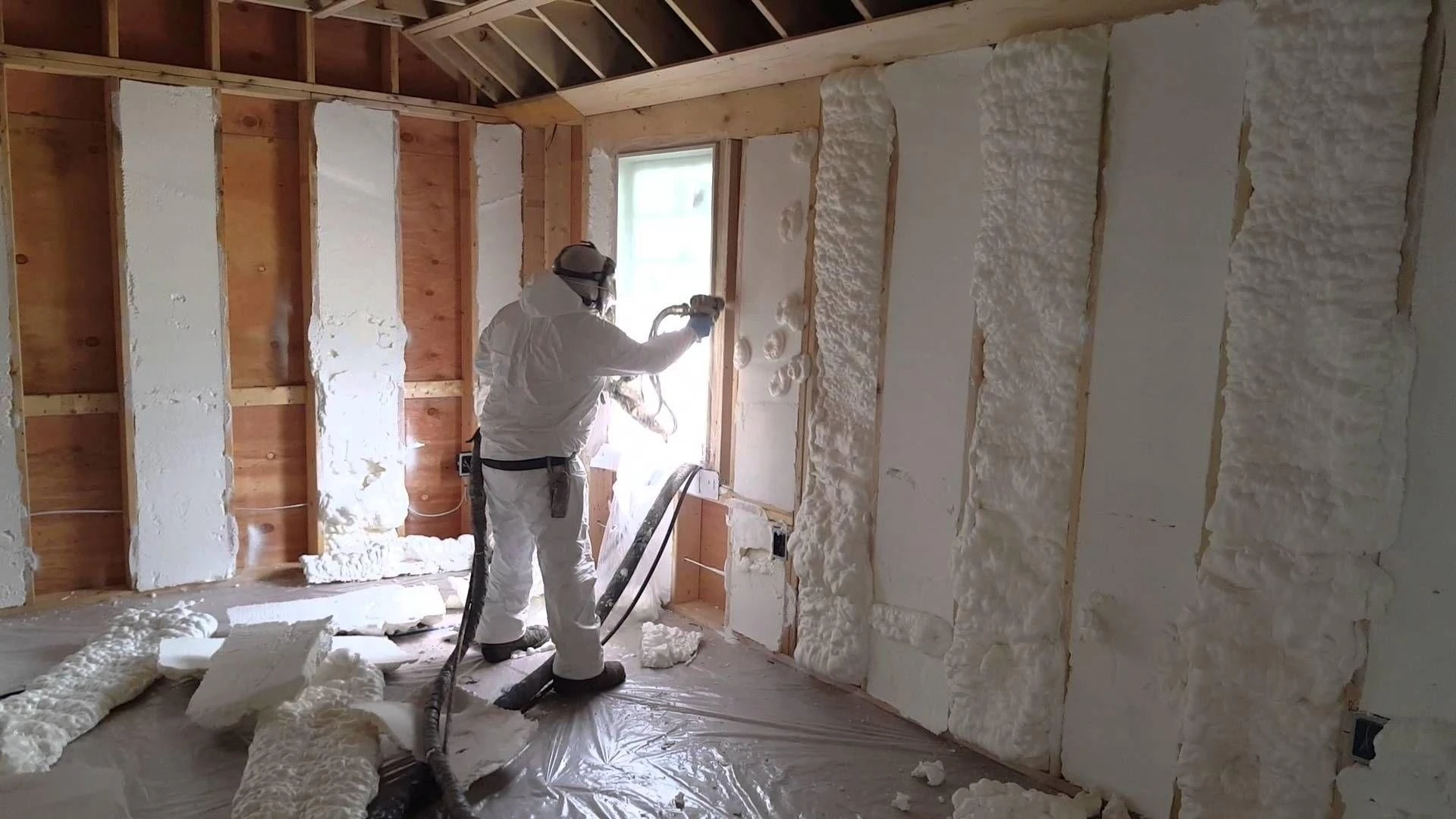
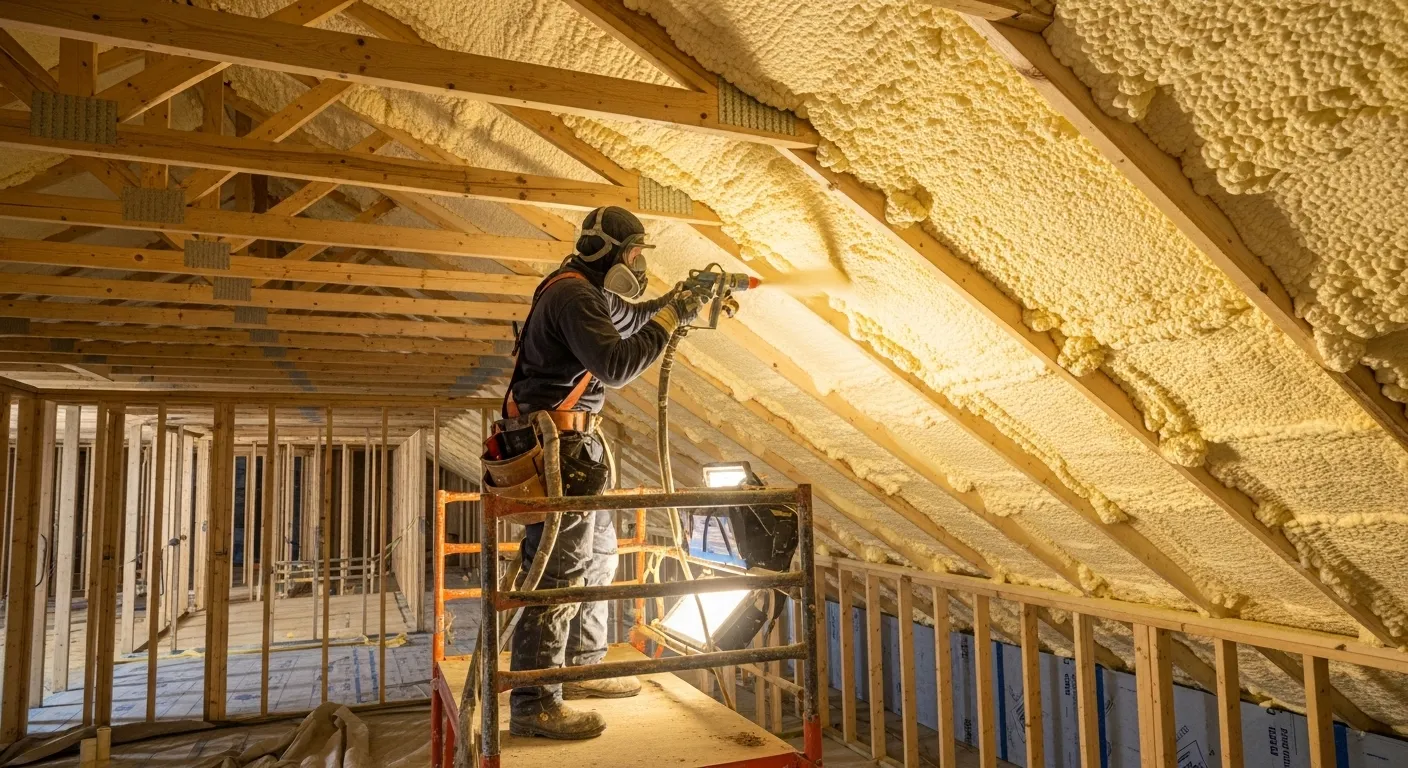
- Professional Installation is Crucial: The acoustic performance of spray foam is directly tied to the quality of the installation. A professional installer will ensure a full, continuous fill with no gaps, which is essential for both thermal and acoustic performance.
Bonus Tip: Don't forget about the floor. The space between the floor joists is a major channel for sound to travel between levels of a home. Insulating this space with open cell foam is one of the most effective ways to reduce footfall noise and create a quieter environment.
Questions About Open Cell Foam and Sound
Is open cell spray foam better than fiberglass for sound?
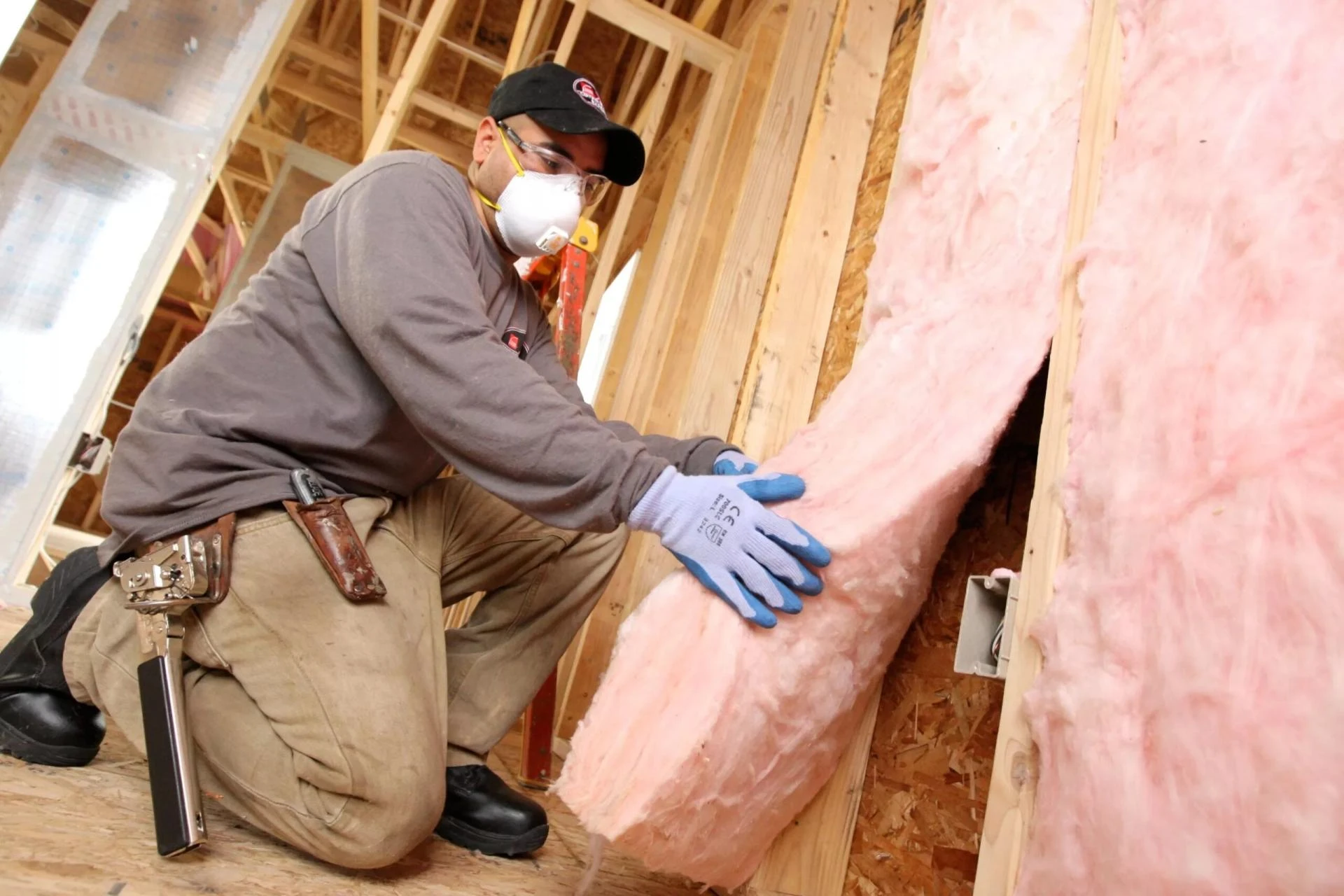
Yes, in most cases, open cell spray foam is better than fiberglass for sound. While both are good sound absorbers, open cell foam has the major advantage of also being an air sealer. This allows it to stop airborne sound that would normally pass right through a fiberglass batt.
Will it make my room completely soundproof?
No insulation material can make a standard wood-frame wall completely soundproof. True soundproofing requires specialized construction techniques. However, open cell foam will make the room dramatically quieter and will reduce most normal household noises to a barely audible murmur.
Can open cell foam be used on exterior walls for sound control?
Yes, it is very effective at reducing outside noise because it creates such a good air seal. For very loud, low-frequency noises like a train or a major highway, closed cell foam may be a slightly better choice due to its higher density.
Is it expensive to use open cell foam just for sound?
It is more expensive than traditional insulation like fiberglass. However, homeowners who make the investment almost always feel it is worth it for the added peace and quiet. It's a quality-of-life improvement that is hard to put a price on.
Can it be added to existing walls?
Yes, it can be installed in existing walls using a technique called injection foam. This involves drilling small holes in the drywall and injecting a slow-rise version of the foam into the cavity. This is a less disruptive way to upgrade the acoustic performance of an existing room.
The Sound of Silence and Comfort
Open cell spray foam is a remarkable material that offers both excellent thermal insulation and superior acoustic performance. By absorbing sound and creating a complete air seal, it works to isolate your living spaces from both interior and exterior noise. For anyone looking to build a new home or renovate an existing one with a focus on peace and quiet, it is one of the best investments you can make in your long-term comfort.
Get a Professional Acoustic Insulation Plan
The best way to achieve a quiet home is with a well-designed plan from an experienced professional. A qualified insulation contractor can help you identify your primary noise issues and recommend the right material for the right application. For homeowners and builders in Idaho and Wyoming, the team at High Country Solutions has extensive expertise in using open cell foam to create quiet, comfortable, and energy-efficient spaces. To discuss your project, they can be reached at (307) 248-9063 or by email at [email protected].
Author: Skeeter Aimone is a co-founder of High Country Solutions with years of hands-on experience in building science and residential insulation. Brad Morrison leads the company’s technical operations, focusing on the correct application of modern insulation materials for optimal energy and acoustic performance. Since founding the company in 2018, they have focused on helping homeowners and builders achieve higher standards of comfort and efficiency.
Reviewer: Samuel Harris has worked across various roles in the spray foam insulation industry for over 11 years. His review focused on the technical accuracy of the claims made about open cell foam's acoustic properties and the practical advice offered to homeowners.



























Sign in to leave a comment.