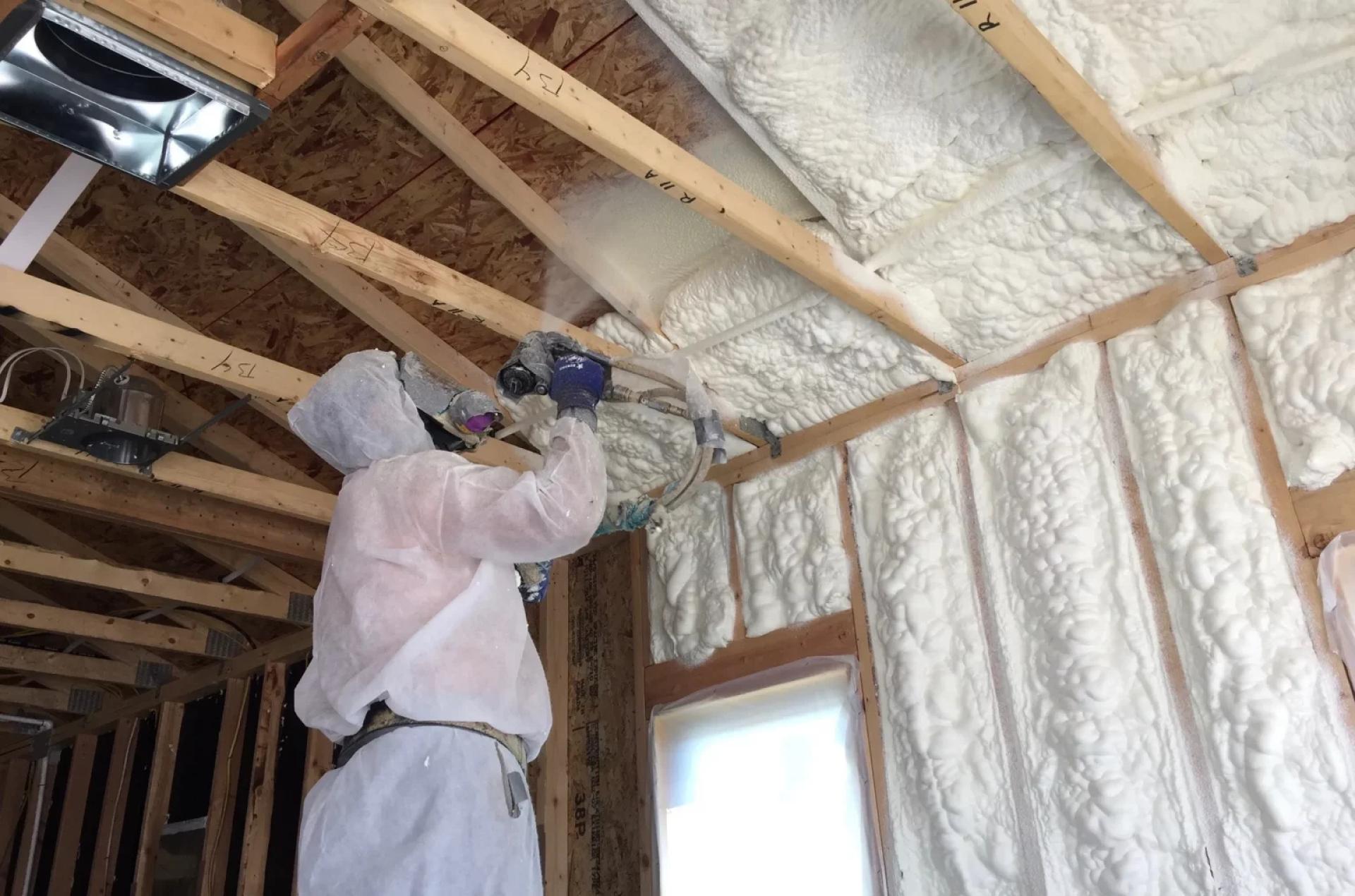

A home’s heating, ventilation, and air conditioning (HVAC) system is designed to manage temperature, not to fight a constant battle with the outdoors. Yet in most homes with traditional insulation like fiberglass or cellulose, that’s exactly what it’s doing. An HVAC system in a home with traditional insulation works significantly harder, runs longer, and wears out faster, primarily due to one key factor: uncontrolled air leakage. Older insulation types fail to create an air seal, allowing conditioned air to escape and outside air to pour in through countless small gaps in the building’s structure. This constant air exchange forces the HVAC unit to run almost nonstop to maintain the temperature on the thermostat, leading to higher energy bills and premature equipment failure.
Open cell spray foam insulation directly addresses this core problem. By expanding to fill every crack and crevice, it creates a soft but effective air barrier that dramatically reduces the amount of work an HVAC system has to do. This article, drawing on years of experience in developing and applying high-performance insulation materials, will explain precisely how this air seal lightens the load on your home’s most expensive mechanical system.
The Real Enemy of HVAC Efficiency is Air Leakage
Most people think of insulation in terms of its R-value, which is a measure of its resistance to heat transfer. While R-value is important, it’s only half the story. The U.S. Department of Energy has found that air leakage alone can account for up to 40% of a home’s heating and cooling costs. This uncontrolled movement of air through a home's "building envelope" is the real efficiency killer.
Imagine trying to keep a bucket full of water that has dozens of small holes in it. You’d have to keep the faucet running constantly just to maintain the water level. This is exactly what your HVAC system does in a leaky house. It continuously pumps expensive heated or cooled air into a space that is constantly losing it. These leaks happen in predictable places:
- Around windows and door frames.
- Through electrical outlets and light fixtures.
- Where the walls meet the foundation and the roof.
- Around plumbing and wiring penetrations.
Traditional insulation materials like fiberglass batts don't stop this air movement. They are like a wool sweater; they can keep you warm, but the wind blows right through them.
How Open Cell Foam Creates an Air-Tight Environment
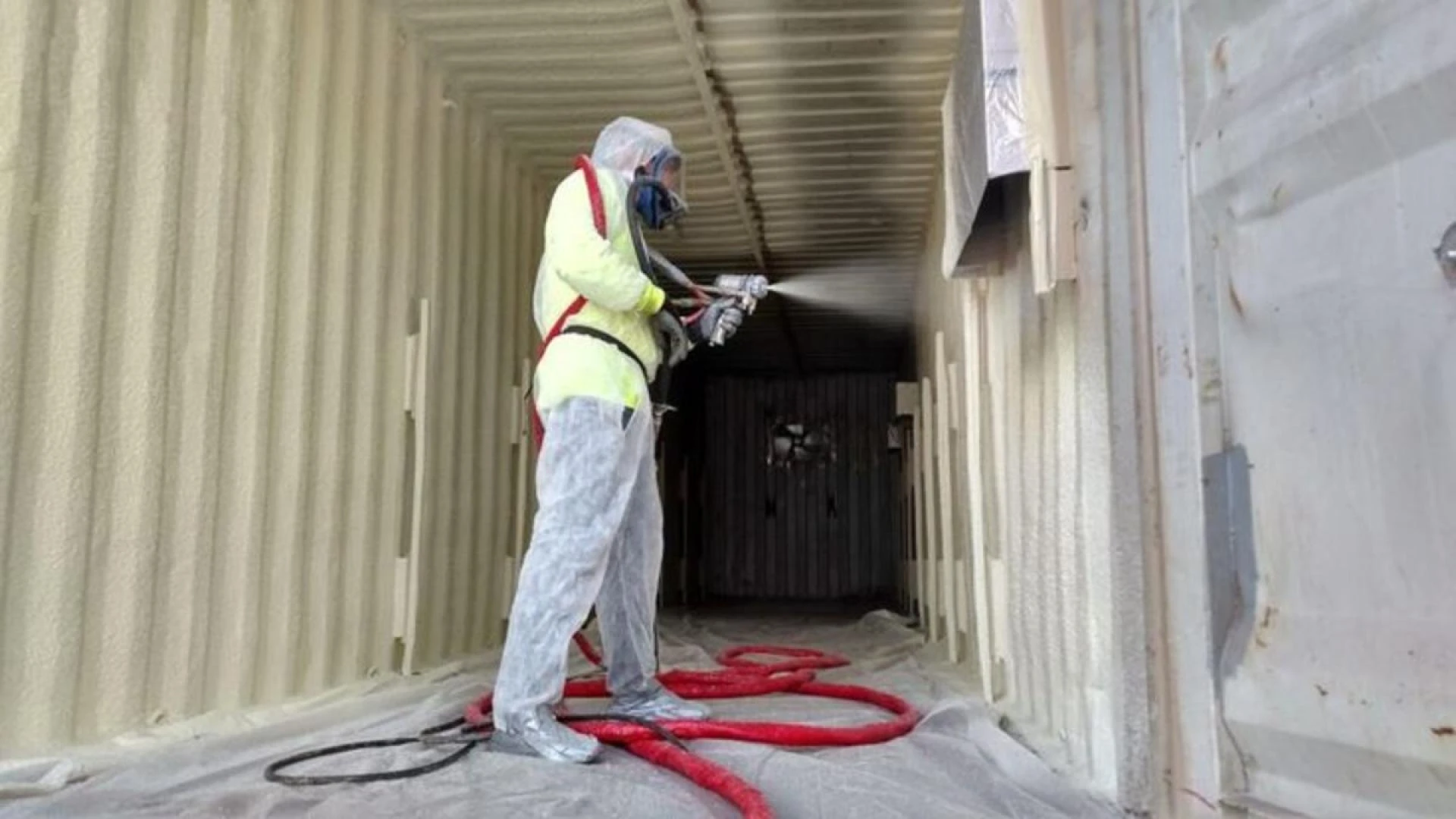
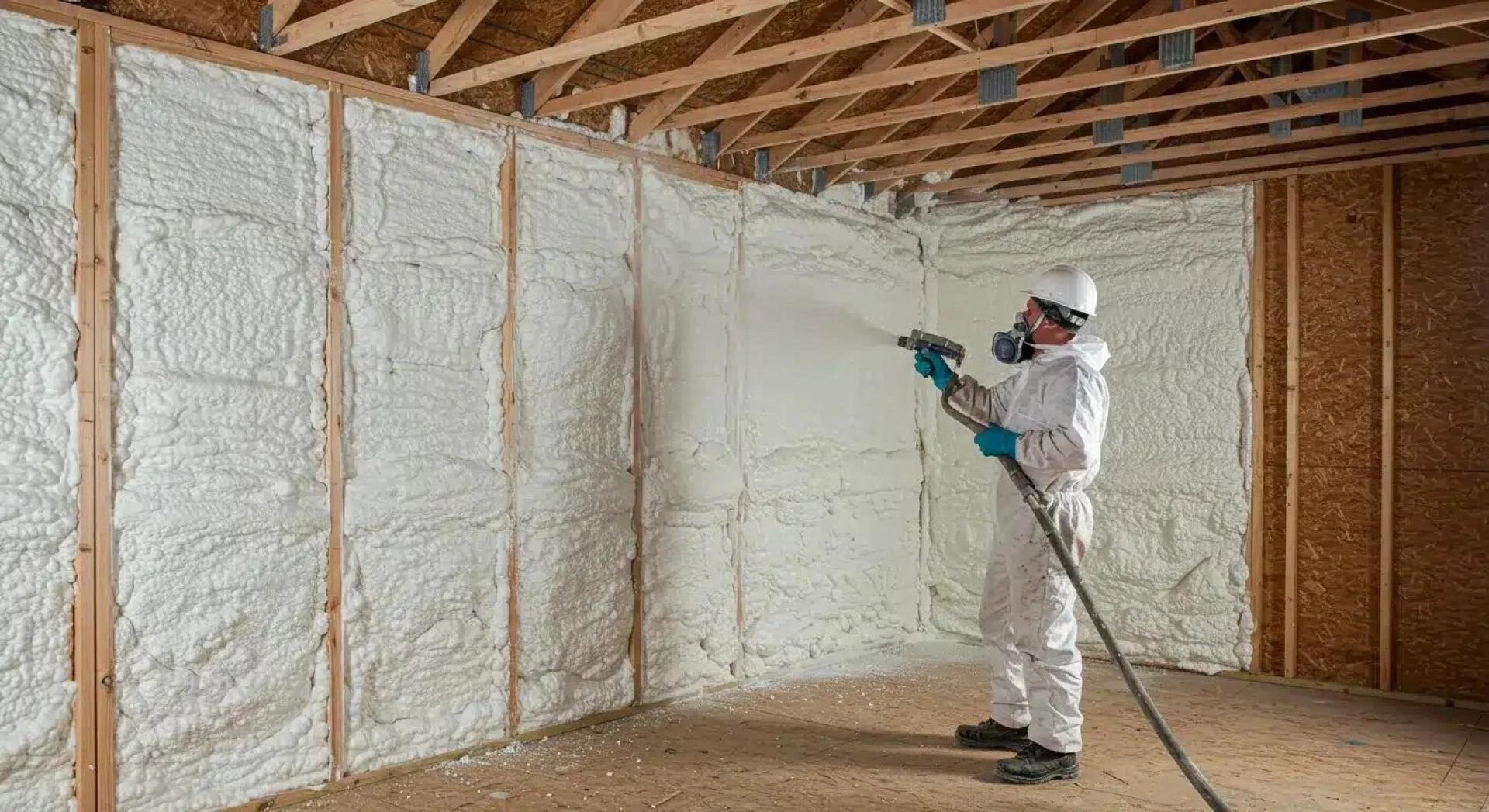
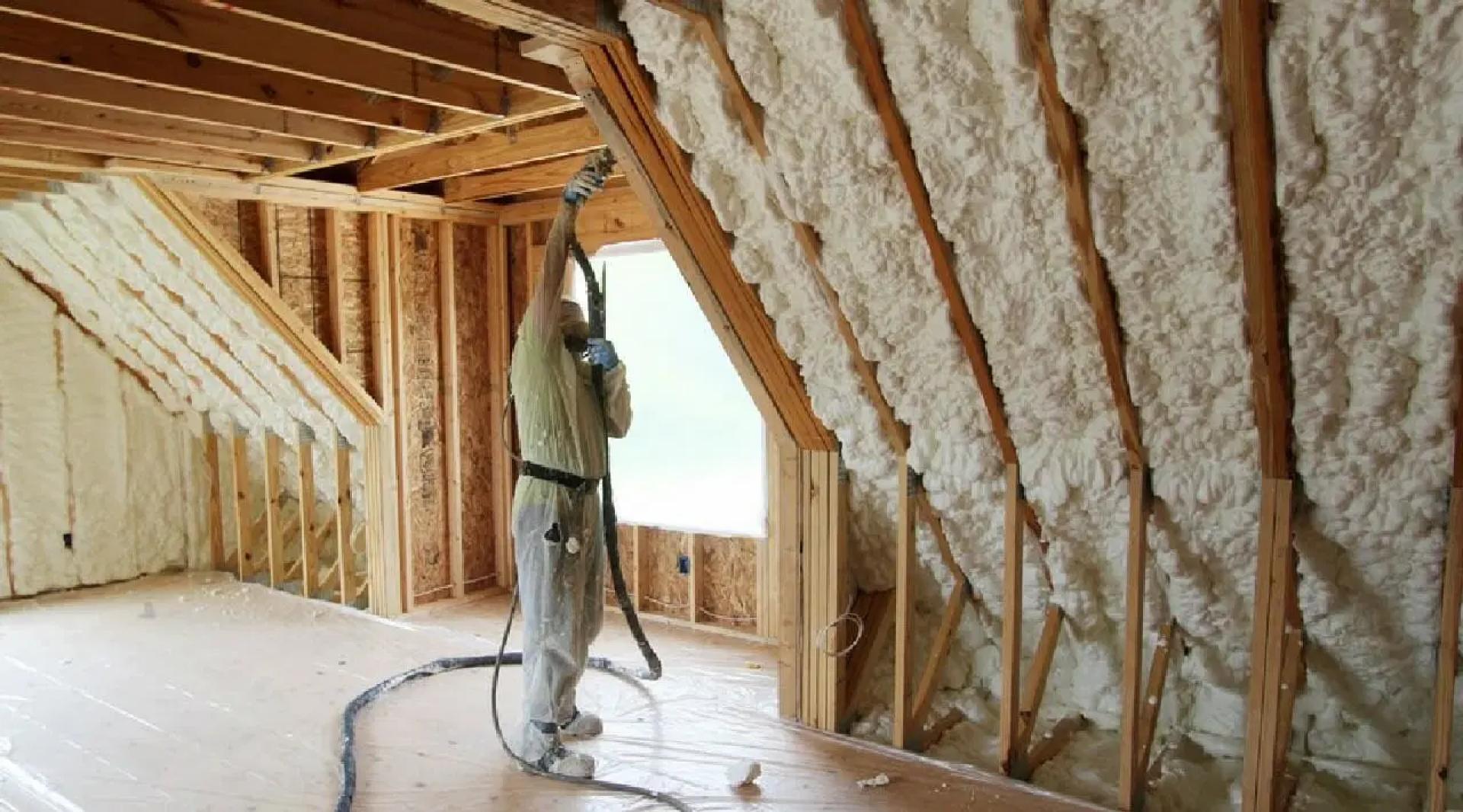
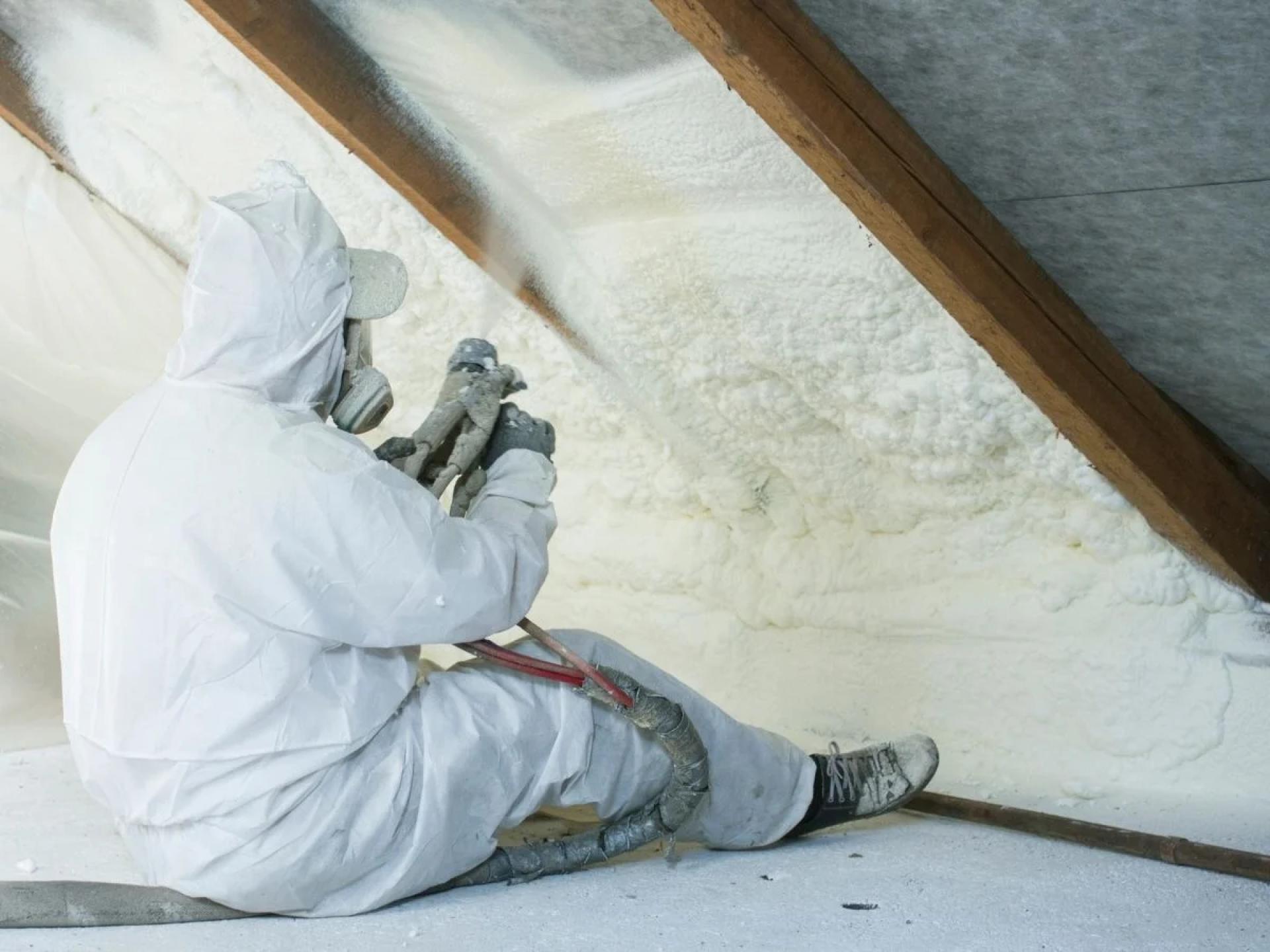
Open cell spray foam works differently. It is applied as a liquid and expands up to 100 times its original size, filling every gap and adhering directly to the studs, sheathing, and any obstructions. This process creates a continuous, flexible air seal that is far more effective than just placing batts of insulation in a wall cavity.
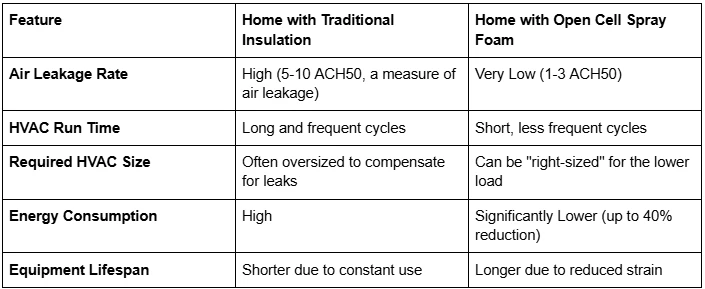
This air seal is what gives the HVAC system a break. By stopping the constant flow of outside air, the house can actually hold its temperature. The HVAC system can then run in shorter, more efficient cycles to maintain the set point, rather than running constantly to fight a losing battle. This directly translates to lower energy consumption and less wear and tear on the system’s motors, compressors, and fans.
Bonus Tip: Open cell foam is also an excellent sound absorber. Its soft, porous structure is great at deadening sound waves, which means that in addition to being more efficient, the home will be noticeably quieter from both outside noise and the sound of the HVAC system itself.
The "Right-Sizing" Advantage
One of the biggest long-term benefits of using open cell spray foam is the ability to "right-size" the HVAC equipment. In a standard, leaky house, HVAC contractors must install an oversized unit to compensate for the massive amount of energy loss. This is inefficient and expensive. An oversized air conditioner, for example, will cool the air too quickly and shut off before it has a chance to properly dehumidify the space, leading to a cold but clammy feeling.
In a home that has been properly air sealed with spray foam, the heating and cooling loads are drastically reduced. This allows for the installation of a smaller, less expensive, and more efficient HVAC system that is correctly matched to the home's actual needs.
HVAC System Demands Compared
Insulation Performance in Harsh Climates
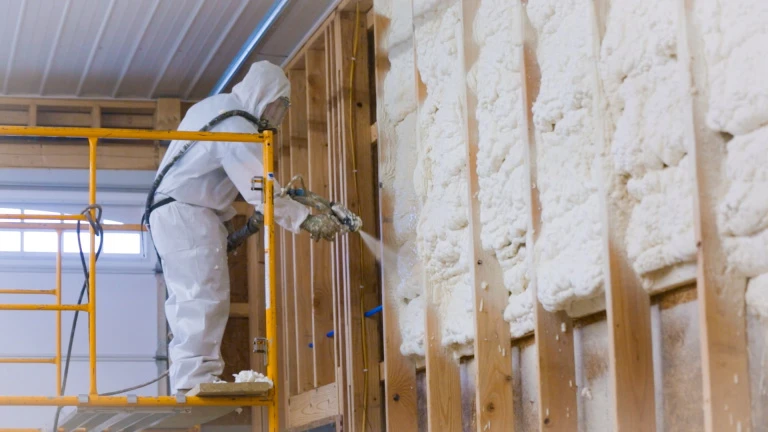
In places with tough winters and windy conditions, like Wyoming and the Rocky Mountain region, the benefit of an air seal is even more pronounced. The cold winter wind pushing against a house will force its way through every tiny crack, a phenomenon known as "wind washing." This can strip the heat out of a home in minutes, making the furnace work overtime.
Because open cell spray foam creates a continuous barrier, it is exceptionally good at stopping this wind-driven air infiltration. This not only saves a huge amount of energy but also dramatically improves comfort by eliminating the cold drafts that are common in homes with fibrous insulation. Homeowners who choose spray foam insulation solutions benefit from superior energy efficiency, greater comfort, and a healthier indoor environment.
Things to Consider Before You Insulate
Choosing to air seal your home with spray foam is a major step toward better efficiency, but a few factors should be considered first.
- Mechanical Ventilation: A very airtight home needs a source of fresh, filtered air. You can't rely on random leaks anymore. A mechanical ventilation system, like a Heat Recovery Ventilator (HRV), is often required to ensure excellent indoor air quality without wasting energy.
- Existing HVAC Condition: If your current HVAC system is old and already struggling, making the home more airtight might not be enough to save it. It’s a good idea to have an HVAC professional assess your system as part of the insulation upgrade plan.
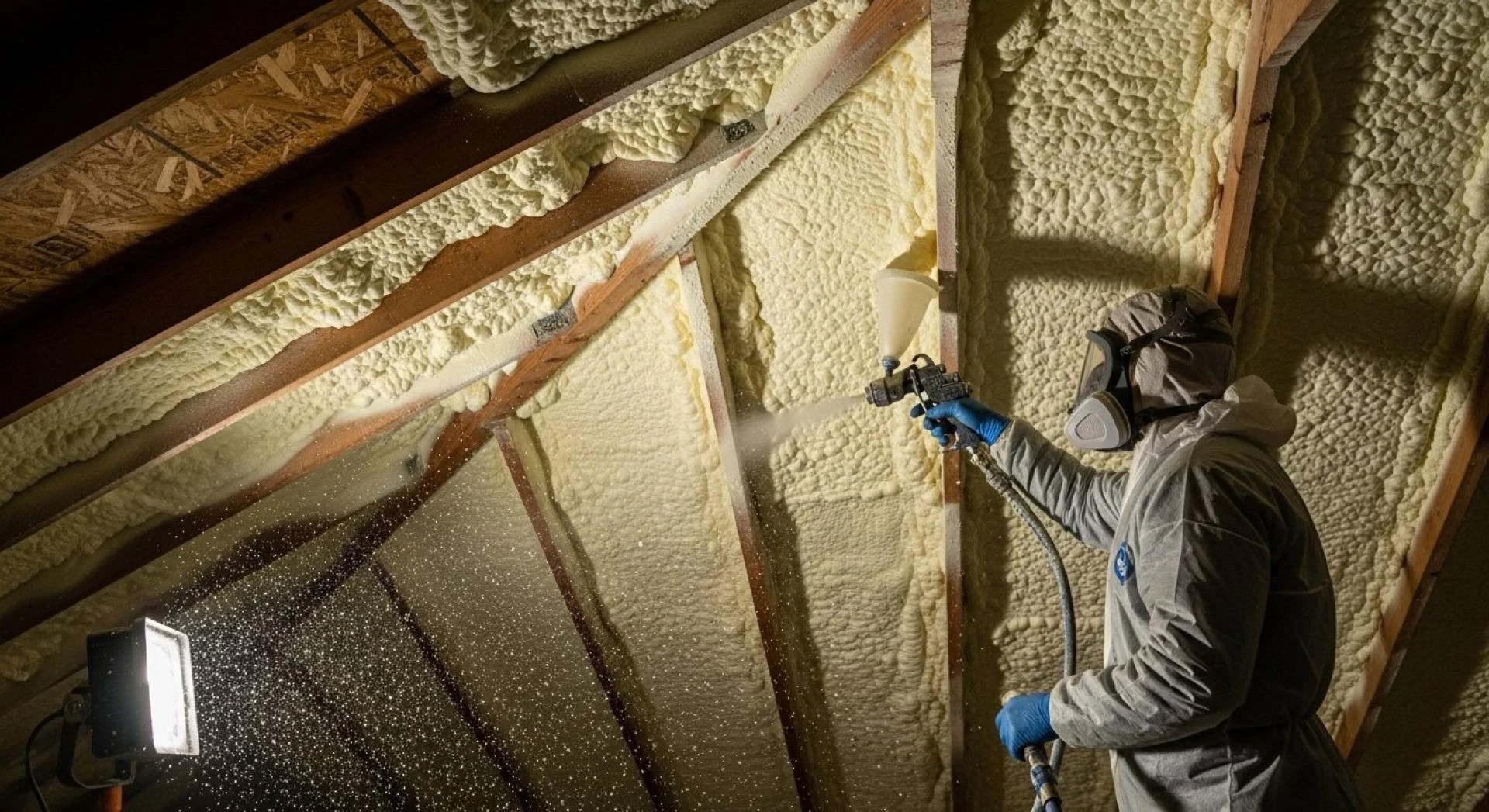
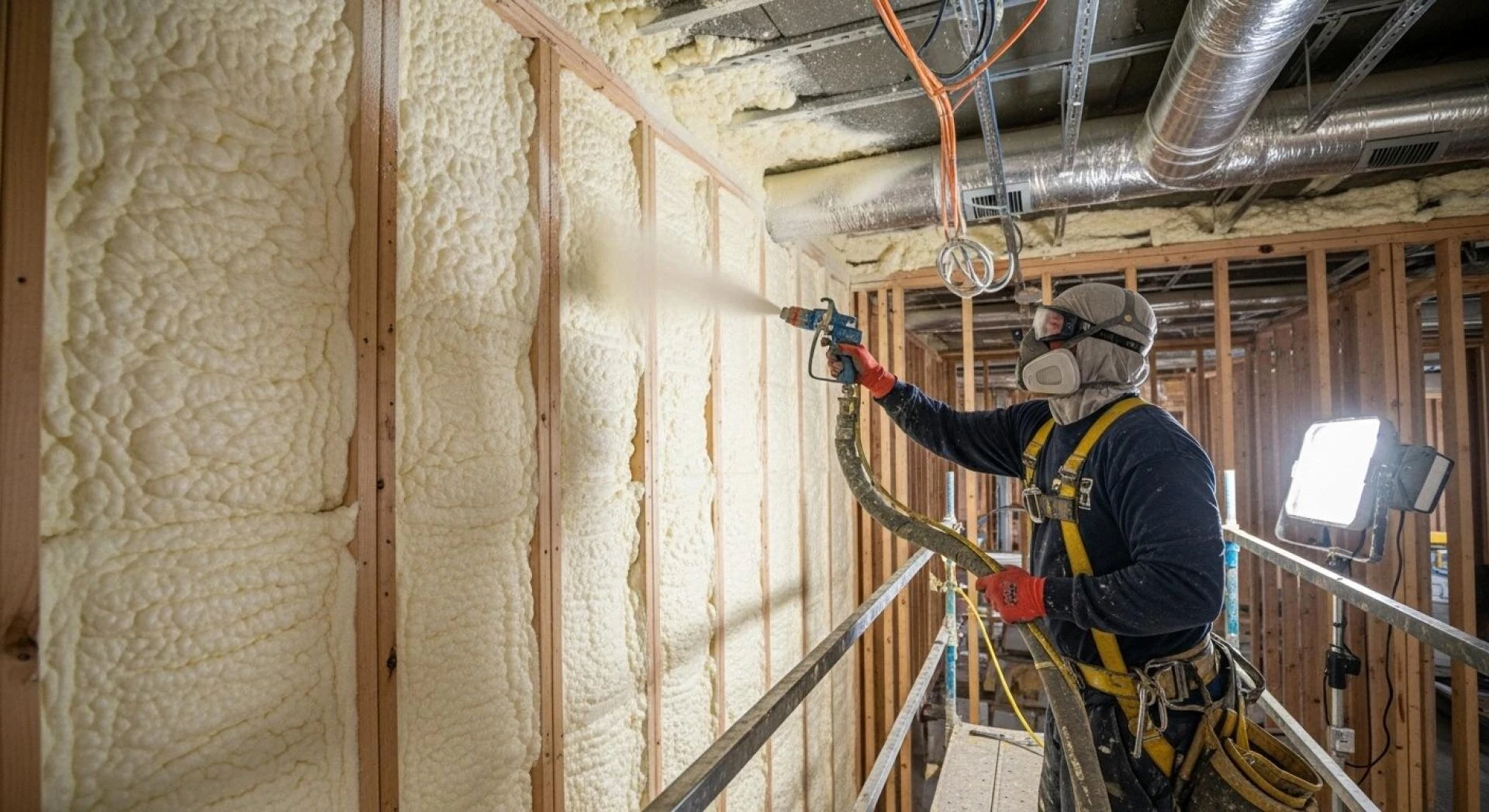
- Hiring the Right Professionals: Spray foam installation is a chemical process that requires a high degree of training and specialized equipment. It is not a DIY job. Hiring a certified, experienced, and insured contractor is essential for a safe and effective result.
Frequently Asked Questions
Will I need a new HVAC system if I get spray foam?
Not necessarily. A well-maintained existing system will simply run less often and more efficiently. However, if you are building a new home or your current system is due for replacement, you will be able to install a smaller, less expensive unit.
Is open cell foam a good choice for moisture?
Open cell foam is vapor permeable, meaning it can dry out if it gets wet. This can be an advantage in some wall assemblies. It is not a waterproof barrier, however, so it is not recommended for below-grade applications like basements, where closed cell foam is a better choice.
Bonus Tip: The vapor permeability of open cell foam allows it to alert you to a roof leak. Unlike closed cell foam, which can trap water against the roof deck, water will eventually pass through open cell foam, making the leak visible sooner.
Can open cell foam be installed in an existing home?
Yes. It is commonly installed in attics, crawl spaces, and in walls during a renovation when the drywall is removed. It is an extremely effective way to retrofit an older home for better energy performance.
How long does open cell spray foam last?
When installed correctly, open cell spray foam does not shrink, sag, or settle. It maintains its properties for the life of the building.
Does open cell foam reduce the strain on my furnace and my air conditioner?
Yes, equally. Air leakage makes your furnace work harder in the winter to combat cold drafts, and it makes your air conditioner work harder in the summer to combat hot, humid air infiltration. An air seal helps both systems.
Is the installation process disruptive?
Professional installers work to minimize disruption. The process is relatively quick, but homeowners and pets will need to be out of the house during the application and for a curing period of about 24 hours to ensure safety and proper ventilation.
A Smarter Approach to Home Comfort
Focusing only on R-value is an outdated way of thinking about insulation. The real key to reducing the strain on your HVAC system and lowering your energy bills is to control air leakage. Open cell spray foam is one of the most effective ways to create the airtight building envelope that is the foundation of a truly high-performance, comfortable, and energy-efficient home.
Getting a Professional Building Assessment
The best way to understand how much air your home is leaking and how it's affecting your HVAC system is to get a professional evaluation. An expert can assess your current insulation and help you create a plan to improve your home's performance.
The team at High Country Solutions brings years of experience in building science and sustainable insulation materials. They specialize in creating energy-efficient solutions for homes in demanding climates. For a comprehensive consultation, they can be reached at (307) 248-9063 or by email at [email protected].
Author: Skeeter Aimone is the co-founder of High Country Solutions, where he focuses on building science principles to improve home energy efficiency. Brad Morrison leads the company’s technical applications, ensuring that modern insulation systems are installed for optimal performance and long-term durability. Established in 2018, they bring years of combined experience in construction and insulation, specializing in high-performance materials for demanding climates.
Reviewer: Samuel Harris has worked across various roles in spray foam insulation over 11 years. His review focused on ensuring the technical concepts were presented clearly and accurately for homeowners.


























Sign in to leave a comment.