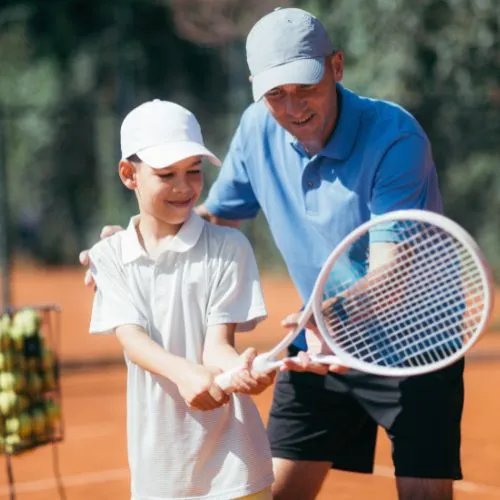

Learn how a tennis coach helps improve technique, match strategy, confidence, fitness, and practice habits for better tennis performance.
A good tennis coach can change the way you play, practice, and understand tennis. Many players think coaching is only for beginners, but that is not true. A coach helps new players build the right basics and helps experienced players fix small mistakes that hold them back.
Tennis is not just about hitting the ball hard. It is about footwork, timing, balance, shot choice, focus, and match planning. When you practice alone, you may repeat the same mistakes without noticing them. A tennis coach watches your game closely and shows you what needs to change.
The main goal is simple: help you play better with a clear plan.
What Does a Tennis Coach Do?
A tennis coach teaches the technical, mental, and tactical parts of the game. This means they help with how you hit the ball, how you move on court, and how you make better choices during points.
A coach may work on:
- Forehand and backhand technique
- Serve motion and toss control
- Footwork and court movement
- Net play and volleys
- Return of serve
- Match strategy
- Fitness and recovery habits
- Confidence under pressure
For example, if your forehand keeps going long, a tennis coach may check your grip, contact point, swing path, and body position. The issue may not be power. It may be poor timing or hitting too close to your body. Small corrections can make a big difference.
Why a Tennis Coach Is Useful for Beginners
Beginners need the right foundation. If a player learns the wrong grip, poor footwork, or an uncontrolled swing early, those habits become harder to fix later.
A tennis coach helps beginners learn simple and correct steps from the start. They explain where to stand, how to hold the racket, how to prepare before the ball arrives, and how to recover after each shot.
This matters because tennis can feel confusing at first. The ball moves fast, the court feels large, and every shot needs timing. A coach breaks it down into smaller steps so the player does not feel lost.
A beginner may start with short rallies, basic serve practice, and easy movement drills. Over time, the player learns control before power. That is the right order.
How a Tennis Coach Improves Technique
Technique is one of the biggest reasons players look for coaching. A tennis coach can see small problems that a player may never notice.
For example, a player may think their backhand is weak because they lack strength. But the real issue may be late preparation. Another player may struggle with serving because the ball toss is too far behind the body.
A coach helps improve technique by making the stroke cleaner and easier. Good technique does not mean a complicated swing. It means the body, racket, and timing work together.
The biggest technical areas include:
- Grip position
- Ready position
- Backswing
- Contact point
- Follow-through
- Balance after the shot
When these parts improve, the player gains more control. Shots become safer, cleaner, and more repeatable.
How a Tennis Coach Builds Better Match Strategy
Tennis is a thinking game. A player with strong shots can still lose if they make poor decisions. A tennis coach helps players understand when to attack, when to defend, and when to stay patient.
For example, hitting a winner from a difficult corner is risky. A smarter choice may be a deep cross-court shot that gives time to recover. This is where coaching helps.
A coach may teach a player to:
- Target the opponent’s weaker side
- Use depth before power
- Change pace during rallies
- Serve with a clear purpose
- Approach the net at the right time
- Stay calm after losing points
Good strategy makes tennis less random. Instead of just reacting, the player learns to build points with purpose.
Choosing the Right Tennis Coach
The right tennis coach should match your skill level, goals, and learning style. Some players need patient beginner coaching. Others need advanced match analysis or tournament preparation.
Before choosing a coach, look at how they communicate. A good coach explains things clearly, gives useful feedback, and does not overload the player with too many corrections at once.
You should also think about your goal. Do you want to learn tennis for fitness? Improve your serve? Win more club matches? Prepare for competition? Your goal helps decide the kind of coaching you need.
A strong coach should make practice feel structured. Each session should have a purpose, not just random hitting.
Frequently Asked Questions
What does a tennis coach teach?
A tennis coach teaches stroke technique, footwork, serve mechanics, rally control, match strategy, and confidence. They also help players understand mistakes and build better practice habits.
Is a tennis coach worth it for beginners?
Yes. Beginners benefit because they learn the right basics early. This helps avoid bad habits and makes progress easier over time.
How often should I train with a tennis coach?
Many players improve with one or two coaching sessions per week, along with personal practice. The best schedule depends on your goals, fitness, and current level.
Can a tennis coach improve my serve?
Yes. A coach can fix your grip, toss, stance, timing, and contact point. These details are very important for a stronger and more reliable serve.
What should I look for in a tennis coach?
Look for clear communication, good technical knowledge, patience, and structured lesson plans. The coach should understand your goals and give feedback you can apply.
Do advanced players need a tennis coach?
Yes. Advanced players often need help with match patterns, shot selection, mental control, and small technical changes that improve consistency.
Conclusion
A tennis coach helps players improve faster because coaching gives structure, feedback, and direction. Whether you are learning the basics or trying to win more matches, the right coach can help you understand your game clearly.
Tennis becomes easier when you know what to practice, why it matters, and how to fix mistakes. With proper guidance, players can build better technique, smarter strategy, and more confidence on court.



























Sign in to leave a comment.