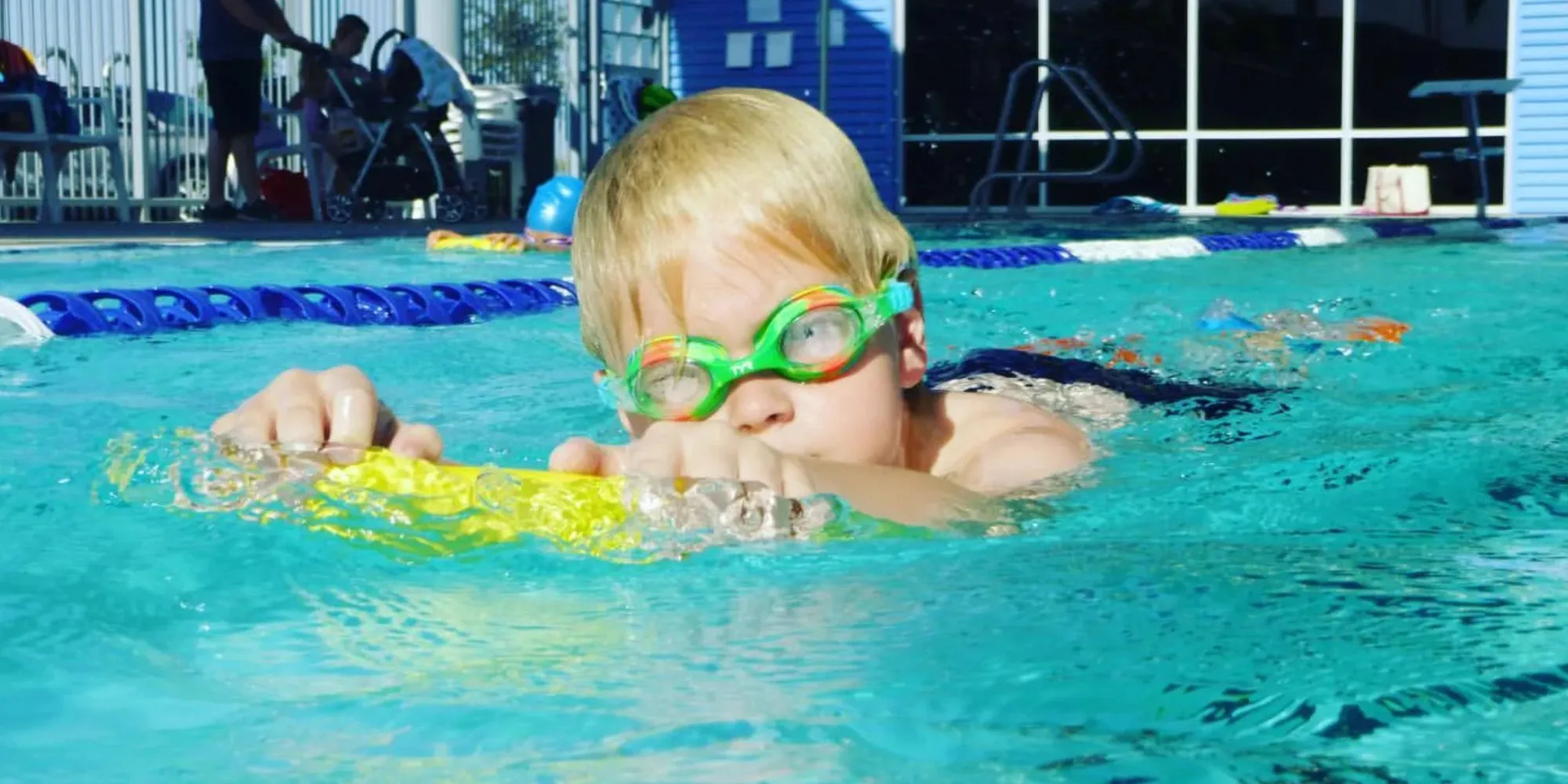

Help your child feel safe and confident in water with age-based swim lessons, simple preparation tips, safety guidance, and clear answers for parents.
Starting swimming lessons for kids can feel like a big step, especially when your child is young or nervous around water. The right class helps children build comfort, follow simple directions, and practice basic water skills with trained support.
Formal lessons can lower drowning risk, but no class makes a child “drown-proof.” Children still need close, constant adult supervision near pools, bathtubs, lakes, and other water.
Why Swimming Lessons for Kids Matter
Good swimming lessons for kids teach more than strokes. Early classes often cover water comfort, breath control, kicking, floating, safe entry, and reaching for the wall.
Lessons may help children:
- Feel calmer when water touches their face
- Listen and respond to a swim teacher
- Build balance and body control
- Practice safe pool habits
- Gain confidence through steady progress
Progress depends on age, confidence, ability, past water experience, and attendance. A supportive class should not rush a frightened child or compare swimmers.
When to Start Kids’ Swimming Lessons
Many families begin with parent-and-tot classes. A caregiver stays in the water while the child learns through songs, movement, gentle splashing, supported floating, and simple safety routines.
The best starting age depends on the child. Pediatric guidance says children may begin learning water competency after their first birthday, based on emotional maturity, physical ability, health, and readiness.
For babies and toddlers, swimming lessons for kids focus on comfort, safe handling, and parent education. Older children can work toward independent floating, kicking, turning, reaching the wall, and basic strokes.
What Kids Learn in Beginner Swimming Lessons
Beginner swimming lessons for kids should follow clear steps. A child may first sit at the edge, enter with help, blow bubbles, place the face in the water, and hold a supported float. Later, the child may kick toward a teacher or swim a short distance.
Common beginner skills include:
- Safe pool entry and exit
- Bubble blowing and breath control
- Front and back floating
- Kicking with a steady body position
- Reaching and holding the wall
- Following water-safety directions
Young children learn best when lessons feel safe and predictable.
How to Prepare for Swimming Lessons for Kids
Before the first class, explain what will happen in simple words. Tell your child that a teacher will help them enter the pool, splash, kick, float, and return to the wall. Say that feeling unsure is normal.
Bring:
- A secure swimsuit
- A clean towel
- Swim diapers when required
- Goggles if recommended
- Dry clothes and water
Arrive early so your child can settle down. After class, praise effort. “You tried blowing bubbles” is more helpful than asking why they did not swim farther.
How to Choose the Best Kids’ Swim Class
The best swimming lessons for kids match the child’s age and skill level. Look for trained instructors, clear safety rules, clean facilities, small groups, and a teaching style that is firm but kind.
Ask how the school measures progress, handles tears, moves children between levels, and updates parents. A parent-tot class can also teach adults safe holds and simple practice methods.
Lessons are one layer of protection. Adults should stay close, avoid distractions, use proper life jackets around natural water, and never rely on inflatable toys as safety devices.
Frequently Asked Questions
What Is the Best Age to Start Swimming Lessons for Kids?
Many children can start parent-and-tot water classes while young. Timing should depend on readiness, health, development, and comfort.
How Long Does It Take a Child to Learn to Swim?
There is no fixed timeline. Some children gain confidence in a few lessons, while independent swimming may take months.
How Often Should Kids Take Swimming Lessons?
One regular lesson each week can support progress. Safe practice may help, but consistency matters more than rushing.
What If My Child Cries During Swim Lessons?
Stay calm and give the process time. Ask whether the fear is normal adjustment or a sign that the level needs changing.
What Should a Child Wear to Swim Lessons?
Choose a secure swimsuit. Bring a towel, required swim diapers, dry clothes, and any goggles approved by the school.
Do Swimming Lessons Make Children Completely Safe in Water?
No. Swimming lessons for kids improve skill, but adult supervision, barriers, life jackets, and pool rules are still needed.
Conclusion: Make Kids’ Swimming Lessons Count
The goal of swimming lessons for kids is steady, safe learning. A patient instructor, the right level, regular attendance, and calm support can help a child grow more confident in water. Celebrate small wins and keep supervision strong near water.























Sign in to leave a comment.