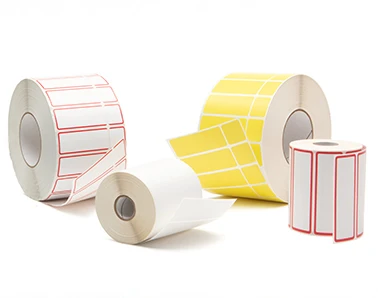

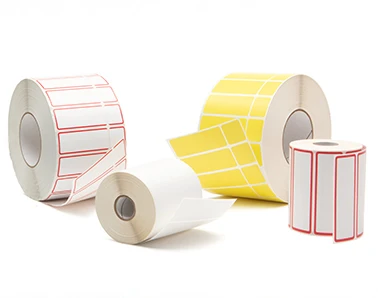
In industries like cosmetics, fragrances, pharmaceuticals, and retail, “testers” are an essential part of the customer and product experience. Whether it’s a perfume bottle available for sampling at a store counter or a small container provided in a clinical setting, testers allow customers and professionals to examine a product before purchase or use. To maintain safety, compliance, and clarity, these items are typically marked with tester labels.
Though small in size, tester labels carry a significant purpose. They ensure that tester products are clearly differentiated from retail items, help businesses remain compliant with industry regulations, and create a smoother customer experience. In this article, we’ll explore what tester labels are, why they matter, and how businesses can use them effectively.
What Are Tester Labels?
Tester labels are adhesive labels applied to products that are designated for sampling or demonstration rather than sale. They usually include a simple identifier such as the word “TESTER” in bold text but may also feature additional instructions, safety warnings, or tracking codes depending on the industry.
These labels can be pre-printed, customized, or produced on-demand using thermal printers. The design is usually bold and eye-catching to ensure that the product is clearly marked and easily recognized as a tester, preventing confusion at the point of sale or during audits.
Why Tester Labels Are Important
1. Clear Identification
Tester labels provide immediate clarity. By marking products as testers, staff and customers can quickly differentiate them from sellable merchandise. This reduces confusion and prevents tester products from being accidentally sold.
2. Compliance and Regulation
In many industries, products provided for testing must be clearly labeled to comply with regulatory or corporate standards. For example, cosmetics and pharmaceuticals often require distinct labeling to separate testers from retail stock.
3. Loss Prevention
Unmarked testers can lead to financial losses if they are mistaken for unsold products. Labels help ensure inventory accuracy and prevent testers from being reshelved as retail items.
4. Customer Confidence
When customers see clearly marked tester items, it communicates transparency and professionalism. They know exactly which products are meant for sampling, fostering trust in the brand or business.
5. Operational Efficiency
For staff, tester labels streamline operations. During restocking, audits, or promotional setups, employees can easily distinguish tester units from products intended for sale.
Key Features of Effective Tester Labels
Not all tester labels are created equal. For them to work effectively, they should meet a few essential criteria:
- Bold and Visible Text: The word “TESTER” should be highly legible, often in capital letters or contrasting colors.
- Durable Adhesive: Labels must remain affixed during handling, display, or customer use.
- Non-Obstructive Design: While visible, labels should not block product information, branding, or safety instructions.
- Customizable Options: Some businesses require added details like batch numbers, product codes, or expiration dates.
- Regulatory Compliance: In pharmaceuticals or healthcare, labels may need to meet strict formatting or content requirements.
Common Uses of Tester Labels
Tester labels are applied in a variety of industries:
1. Cosmetics and Fragrances
In retail environments, perfumes, lotions, and makeup testers are clearly labeled to distinguish them from retail stock. These labels prevent resale and maintain inventory control.
2. Pharmaceuticals
In clinical or pharmacy settings, tester or sample units must be marked clearly to ensure they are not confused with retail prescription products. Labels may also include dosage instructions or warnings.
3. Food and Beverage Sampling
For in-store sampling, tester labels help identify products that are for demonstration purposes only and not for retail sale.
4. Retail Demonstrations
Electronics, personal care items, or specialty goods used for demonstration often carry tester labels to set them apart from boxed, sellable inventory.
5. Research and Development
In laboratories or product development facilities, test products are marked with labels to differentiate them from finished, approved batches.
Types of Tester Labels
There are several types of tester labels depending on industry needs:
- Pre-Printed Tester Labels
- Mass-produced with standard text such as “TESTER.”
- Cost-effective and simple to apply.
- Custom Tester Labels
- Include brand logos, product codes, or batch details.
- Useful for businesses that need tailored information.
- Tamper-Evident Tester Labels
- Designed to show signs of removal or alteration.
- Provide added security in high-value products like fragrances or electronics.
- Thermal Printer Labels
- Printed on demand with product-specific details.
- Ideal for businesses that need flexibility and fast labeling.
Best Practices for Using Tester Labels
1. Apply at Designated Points
Tester labels should be applied as soon as a unit is assigned as a tester, ideally during stocking or promotional setup.
2. Use Consistent Labeling
Uniform design across all tester items helps staff and customers quickly recognize them.
3. Ensure Durability
Choose materials and adhesives suited to the product. For example, cosmetics may require oil-resistant labels, while refrigerated samples may need moisture-resistant labels.
4. Maintain Legibility
Labels must remain readable throughout the product’s life cycle. Smudged or faded labels can lead to mistakes.
5. Train Staff
Employees should understand the importance of tester labeling, how to apply them properly, and how to monitor compliance.
Challenges in Tester Labeling
Even with clear guidelines, businesses face challenges with tester labels:
- Improper Placement: Labels that cover important branding or product details can cause frustration for customers.
- Label Loss: Poor adhesives may lead to labels peeling off during handling.
- Inconsistent Practices: If labeling isn’t standardized across locations, confusion and compliance risks increase.
- Counterfeit Concerns: In high-value industries, counterfeit products can masquerade as testers without secure labeling.
The Future of Tester Labels
Like other labeling solutions, tester labels are evolving alongside technology and consumer demands:
- Smart Labels: QR codes or NFC tags that provide digital information about the tester product.
- Eco-Friendly Labels: Sustainable materials for businesses aiming to reduce environmental impact.
- Enhanced Security Features: Tamper-evident or track-and-trace labels to protect against misuse.
- Integrated Branding: Designer labels that blend compliance with brand aesthetics to enhance the customer experience.
Final Thoughts
Tester labels may appear simple, but their role is critical in ensuring clarity, compliance, and customer trust. From cosmetics and fragrances to pharmaceuticals and retail demonstrations, these labels keep testers separate from retail products, reduce errors, and protect brand reputation.
As industries evolve, so too will tester labels—becoming smarter, more secure, and more sustainable. Businesses that invest in clear, durable, and standardized tester labeling not only comply with regulations but also enhance the customer experience and protect operational efficiency.





























Sign in to leave a comment.