Interior design has evolved far beyond flat, single-tone walls. Homeowners and designers today are looking for finishes that add personality, depth, and visual interest and textured paint for interior walls has emerged as one of the most effective ways to achieve that transformation. Whether you want a subtle, elegant backdrop or a bold statement wall, textured finishes offer unmatched versatility.
This guide explores what textured paint is, its benefits, popular types, application areas, and how to choose the right finish for your interior spaces.
What Is Textured Paint for Interior Walls?
Textured paint for interior walls is a decorative wall coating designed to create a raised, patterned, or tactile surface instead of a smooth finish. Unlike regular paints, textured paints contain additives such as sand, marble dust, or special polymers that produce dimensional effects once applied.
These textures can range from soft and understated to dramatic and artistic, making them suitable for both modern and classic interiors.
Why Choose Textured Paint for Interior Walls?
1. Adds Depth and Visual Interest
One of the main reasons homeowners choose textured paint is its ability to add depth. Textures interact with light differently throughout the day, creating dynamic visual effects that flat paints simply cannot replicate.
2. Conceals Wall Imperfections
Textured paint is excellent at masking minor cracks, dents, uneven plaster, or surface flaws. This makes it a practical choice for older homes or spaces where perfect wall finishing is difficult.
3. Enhances Interior Aesthetics
From luxury villas to urban apartments, textured paint elevates the overall look of interiors. It can instantly make a space feel more premium and thoughtfully designed.
4. Durable and Long-Lasting
Most textured paints are more durable than conventional emulsions. They resist wear and tear better, making them ideal for high-traffic areas such as living rooms and corridors.
5. Wide Range of Design Options
Textured paint for interior walls offers endless creative possibilities stone, metallic, rustic, concrete, or abstract effects allowing you to customize your space exactly how you envision it.
Popular Types of Textured Paint for Interior Walls
Sand Texture
Sand texture finishes create a slightly rough, grainy surface. They are subtle yet elegant and work well in living rooms and hallways where you want understated sophistication.
Marble and Stone Texture
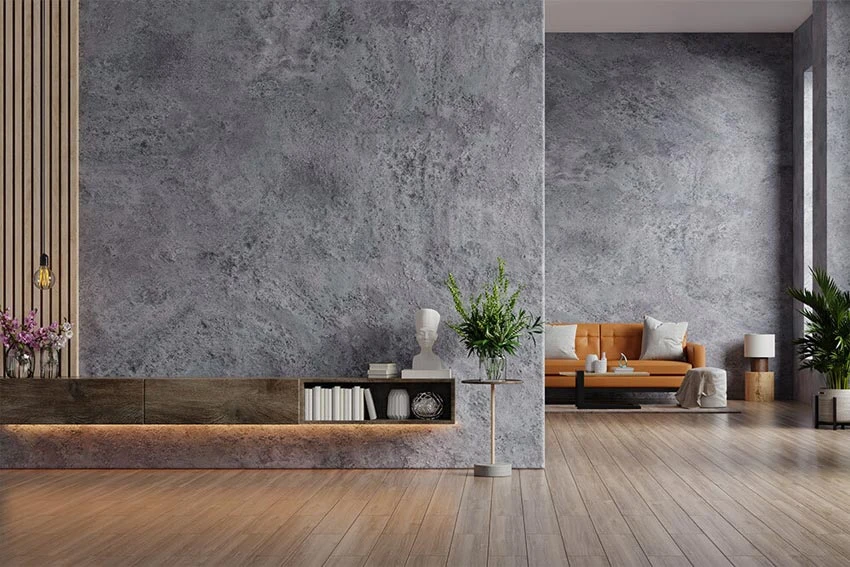
These finishes mimic natural stone or marble, adding a luxurious feel to interiors. They are commonly used for feature walls or behind TV units.
Metallic Texture
Metallic textured paint adds shimmer and depth, making it ideal for accent walls in contemporary interiors. It pairs well with modern lighting and minimalist décor.
Rustic and Concrete Texture
Inspired by industrial and earthy aesthetics, concrete and rustic textures are popular in modern apartments and loft-style homes. They provide a raw, urban charm.
Patterned and Designer Texture
These textures use special tools or techniques to create patterns such as waves, lines, or abstract designs, making walls a true focal point.
Best Areas to Use Textured Paint for Interior Walls
Living Room
The living room is the most common place to use textured paint. A textured accent wall behind a sofa or TV unit can dramatically elevate the room’s ambiance.
Bedroom
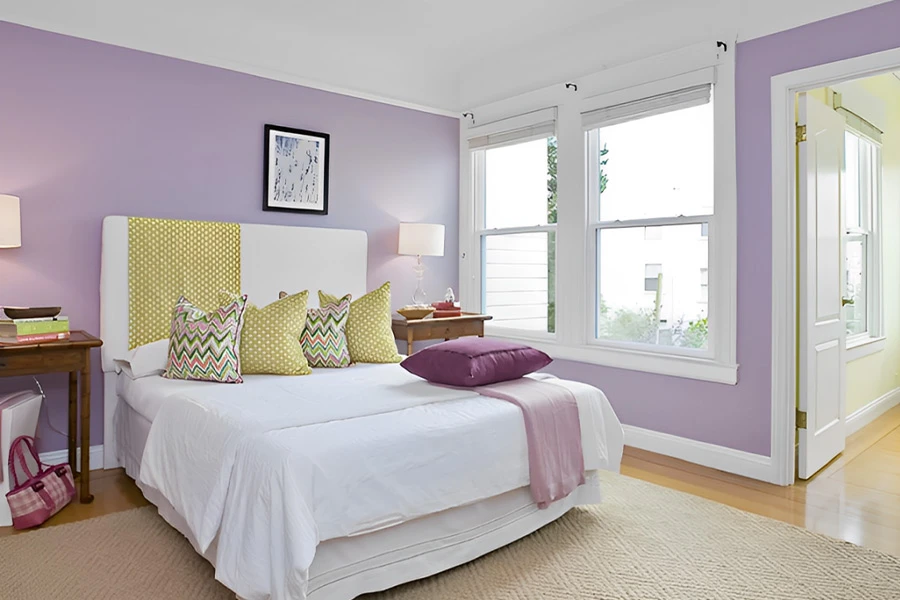
Soft textures in neutral tones create a calm and cozy environment. Textured paint behind the bed’s headboard adds elegance without overwhelming the space.
Dining Area
Textured finishes in warm shades enhance the dining experience and give the space a refined look.
Hallways and Corridors
Since these areas experience frequent movement, textured paint is a practical option due to its durability and ability to hide minor scuffs.
Study or Home Office
Subtle textured walls can add character while maintaining a professional and focused atmosphere.
How to Choose the Right Textured Paint
Consider Room Size
Heavily textured or dark finishes work best in larger rooms, while lighter textures and shades are ideal for smaller spaces to avoid a cramped look.
Match the Interior Theme
Choose textures that complement your furniture, lighting, and overall décor style modern, classic, rustic, or industrial.
Lighting Matters
Textures look different under various lighting conditions. Always evaluate samples under natural and artificial light before finalizing.
Maintenance Requirements
Some textured paints require occasional dusting or gentle cleaning. Make sure the finish you choose aligns with your maintenance preferences.
Application Tips for Best Results
- Proper wall preparation is essential for a flawless textured finish
- Application techniques vary depending on the texture type
- Professional application is recommended for complex designs
- Allow adequate drying and curing time for long-lasting results
Using high-quality materials and skilled workmanship ensures the texture remains attractive for years.
Why Textured Paint Is a Smart Interior Investment
Textured paint for interior walls is not just a decorative choice it’s an investment in long-term aesthetics and durability. It adds perceived value to your home, enhances comfort, and allows creative expression without major structural changes.
Premium textured finishes offered by trusted manufacturers like JKMAXX Paints are designed to meet modern interior demands while delivering style, strength, and consistency.
Final Thoughts
Textured paint for interior walls is a powerful design element that can completely transform the look and feel of your home. With its ability to add depth, hide imperfections, and elevate interiors, it has become a preferred choice for homeowners and designers alike.
By choosing the right texture, color, and application technique, you can create interiors that are visually stunning, durable, and uniquely yours proving that walls can be much more than just a background.























Sign in to leave a comment.