
Why This Problem Is More Common Than You'd Think
You spend a fair amount of money on white marble. The tiles go down. Everything looks clean and beautiful. Then, a few months later, you tap on one of the slabs and hear it — a dull, hollow knock. Like something is loose underneath.
It's unsettling. And it happens more often than most people expect.
Here's the thing: hollow-sounding marble after installation is almost never a grouting problem or a workman's mistake alone. A lot of the time, it starts much earlier — with the marble itself. Choosing a reliable supplier of white marble in India who actually understands stone quality is what separates a floor that holds for decades from one that starts failing in the first year.
What's Actually Causing the Hollow Sound
Marble can sound hollow for a few reasons, and they're worth knowing before you buy.
Uneven slab thickness. When marble is cut and finished in a rush, slabs come out thinner in some spots and thicker in others. During installation, the adhesive can't bond uniformly to an uneven surface, so air pockets form underneath. Those pockets are exactly what you hear when you knock.
Internal stress lines or micro-fractures. Some marble blocks have hairline cracks running through them that aren't visible to the naked eye. The stone looks fine when it leaves the factory. But under foot traffic and thermal expansion, those micro-fractures open up and the tile slowly detaches from the floor bed.
Poor surface treatment. Marble that hasn't been properly calibrated or finished on the back face won't bond well with cement. The adhesive grips the surface unevenly, and over time, sections start to lift.
Wrong marble grade for the application. Not all white marble is cut out for flooring. Some grades are better suited for walls or decorative panels. Using a lower-grade slab on a high-traffic floor almost always leads to this kind of problem.
How Marble Quality at the Source Changes Everything
This is where the supplier relationship actually matters.
Most buyers focus on the look of the marble — the veining, the whiteness, the polish. Those things matter, but they don't tell you about the internal structure of the stone. A good supplier tests for that. They know which blocks from which quarry produce slabs that are dense, stable, and properly calibrated.
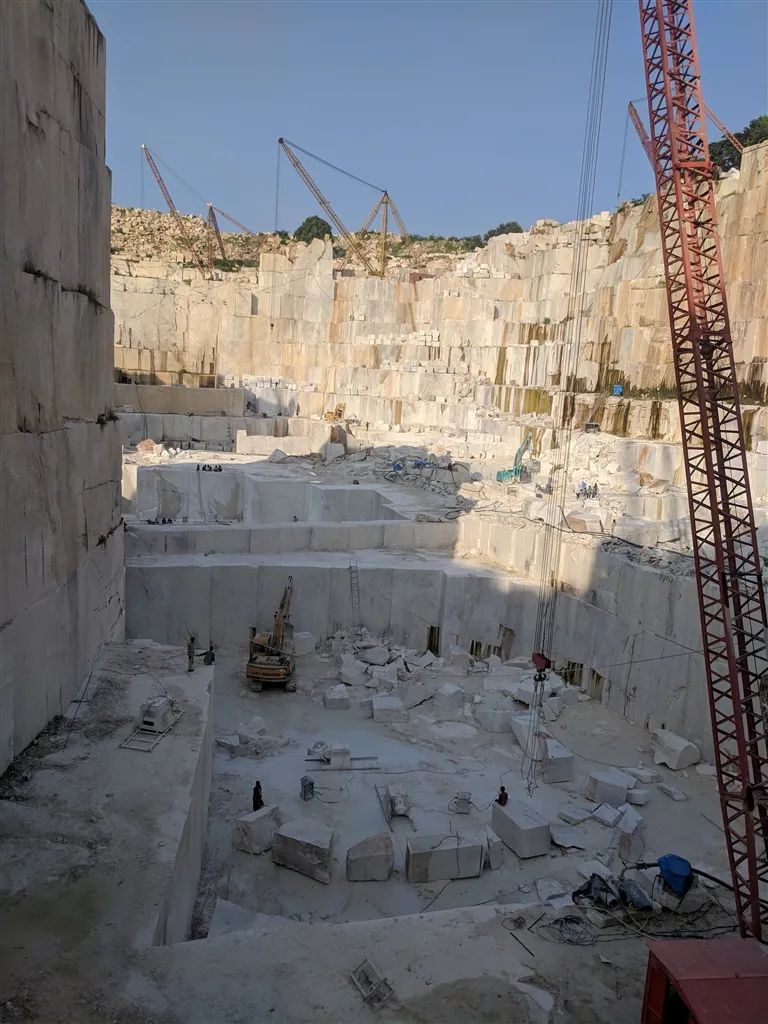
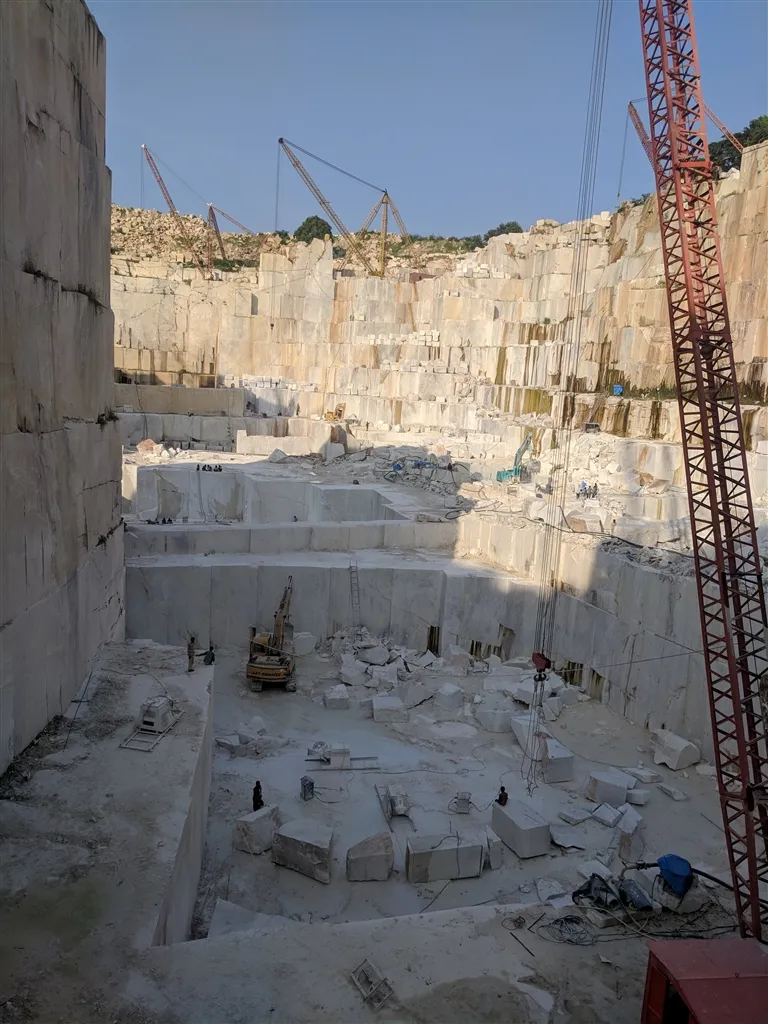
Makrana white marble, for example, is quarried in Rajasthan and is widely used for high-traffic flooring. But even within Makrana marble, there are significant differences in grade depending on which section of the quarry it came from and how the extraction was handled. A supplier who can trace the block origin and explain those differences is one you can trust.
Cheap marble often comes from blocks that were extracted quickly and processed without proper calibration. You can't tell this from a showroom visit. You can tell it six months after installation when the floor starts sounding like a drum.
What to Ask Your Supplier Before Buying
A few practical questions that make a real difference:
Ask about slab thickness consistency. It should stay within a 1–2mm tolerance across the tile.
Ask how the back face is finished. It should be clean, calibrated, and free from dust or loose material.
Ask what grade the marble is and whether it's suited for flooring or wall cladding.
Ask about the quarry origin. Suppliers who know their source material can answer this without hesitation.
If someone gives you vague answers or changes the subject, that tells you something.
Why Shree Abhyanand Marbles Takes This Seriously
Shree Abhyanand Marbles works directly with quarries in Rajasthan, which means there's no middleman inflating prices or blending inconsistent stock. Every batch goes through a quality check for thickness uniformity, surface calibration, and structural integrity before it's dispatched.
The team has worked with architects, contractors, and individual homeowners for years. They know how flooring behaves under different conditions — humidity, load, temperature change — and they match buyers with the right grade for the right application. That's not something you get from a generic marble dealer.
They also believe in giving buyers real information, not just a sales pitch. If a particular marble isn't right for your floor, they'll say so.
Conclusion
Hollow-sounding marble is fixable, but it's expensive to fix after the fact. Prevention is simple: buy from a supplier who controls quality at the source, understands stone grades, and gives you straight answers about what you're getting.
The floor should last decades. Getting the marble right from the beginning is the only way to make that happen.
FAQs
Why does my marble floor sound hollow in some spots but not others? Usually it means the adhesive bonding isn't uniform. This can come from uneven slab thickness, air pockets during installation, or micro-fractures in the stone itself. Spot-by-spot hollow sound often points back to inconsistent marble quality.
Can hollow marble flooring be fixed without replacing the tiles? Sometimes. If the tile hasn't cracked and it's only partially detached, a professional can inject epoxy adhesive underneath to re-bond it. But if the tile has shifted or cracked, replacement is usually necessary.
Does the type of white marble affect how long the floor lasts? Yes, significantly. Makrana white marble and Italian white marble differ in density and internal structure. For flooring, you want a denser stone with consistent thickness. Decorative grades used in the wrong application wear down and detach much faster.
How do I check marble quality before buying? Look at back face calibration — it should be smooth and even. Tap the slab and listen for any dull note (which suggests internal fractures). Ask the supplier about the grade and origin. If they can't answer clearly, move on.
Why should I buy from Shree Abhyanand Marbles specifically? They source directly from Rajasthan quarries, which gives them control over consistency and grade. They've worked across residential and commercial flooring projects for years and can match the right marble to the specific use case — not just sell you whatever's in stock.





























Sign in to leave a comment.