Moving Beyond the "Hype Cycle"
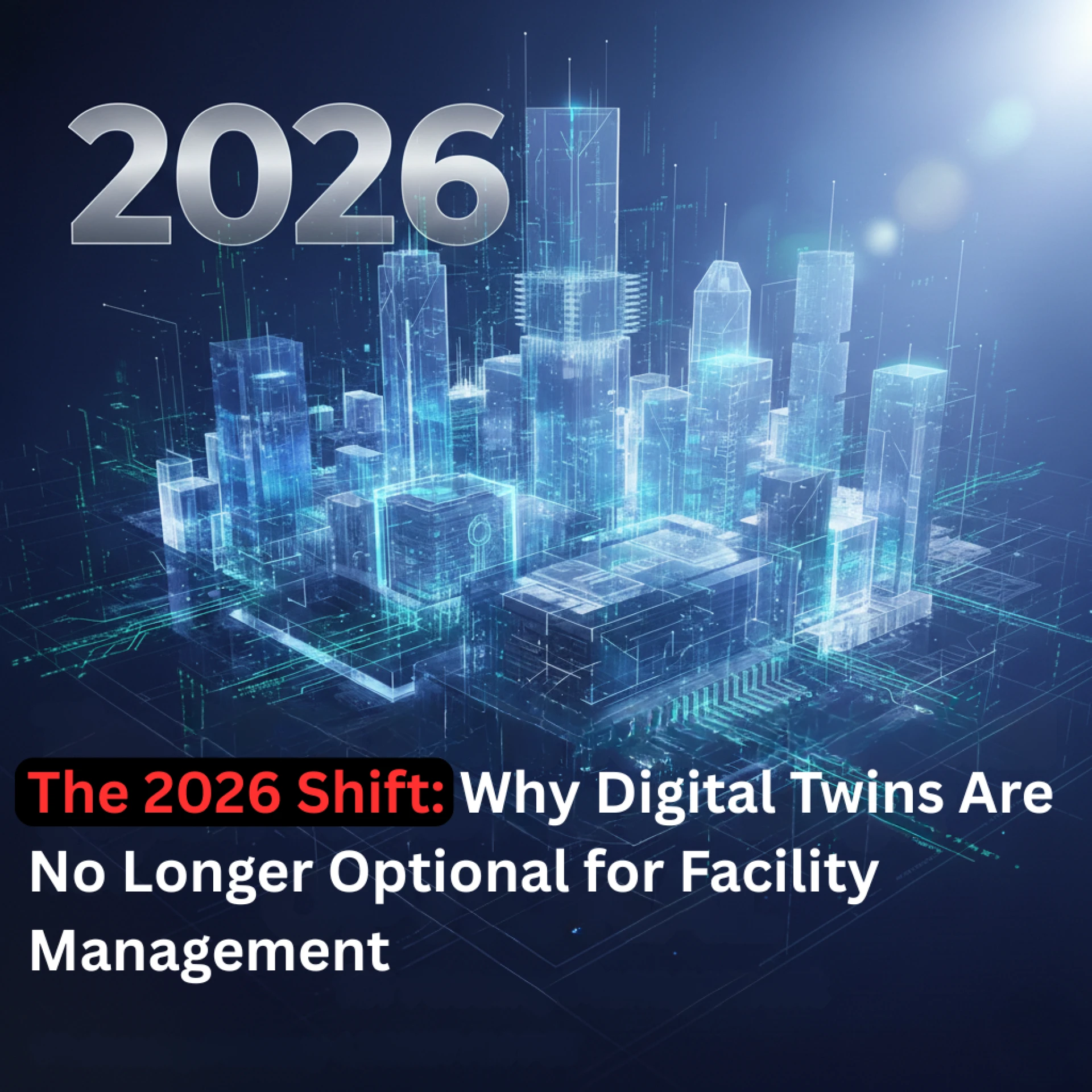
In the early 2020s, "Digital Twins" were often treated as a futuristic buzzword, a high-end luxury for mega-projects. Fast forward to 2026, and the landscape has shifted dramatically. Today, Digital Twins have graduated from experimental pilots to critical operational tools.
For Facility Owners, FM Teams, and Asset Managers, the question is no longer "What is a Digital Twin?" but "How much ROI are we losing by not having one?"
The transition from static BIM models to dynamic, AI-driven Digital Twins is redefining how we interact with the built environment. This article explores the tangible, dollars-and-cents benefits driving this adoption in 2026.
1. From "Static" to "Sentient": The Evolution of the Model
Traditionally, a BIM model was a snapshot in time, a perfect representation of the building on the day it opened, with accuracy that immediately began to degrade as renovations and maintenance occurred.
In 2026, the Digital Twin has solved this by becoming a "living" entity. By integrating real-time data from IoT sensors, Building Management Systems (BMS), and occupant analytics, the model doesn't just show you the building; it tells you how it's feeling.
Key Shift: We have moved from Visualising Data (looking at a 3D pipe) to Operational Intelligence (seeing the live pressure and temperature inside that pipe).
2. The ROI Trinity: Benefits by Role
The real power of a Digital Twin lies in how it serves specific stakeholders. It is not a one-size-fits-all tool; it is a multifaceted platform for value creation.
For Facility Owners: Compliance & Energy Efficiency
With states like California and New York enforcing strict carbon reduction mandates in 2026, energy management is a legal necessity.
- Real-Time Optimisation: Digital Twins don't just log energy spikes; AI algorithms actively adjust HVAC and lighting systems based on real-time occupancy, slashing energy waste.
- Capital Planning: Owners can simulate "what-if" scenarios (e.g., “What if we replace the chiller plant next year vs. patching it?”) to make data-backed financial decisions.
For FM Teams: The End of "Reactive" Chaos
The days of waiting for a phone call to know a boiler is broken are over.
- Predictive Maintenance: Instead of fixing things after they break, AI analyses vibration and heat patterns to predict failures weeks in advance. This shift from reactive to predictive maintenance is estimated to reduce downtime by up to 20%.
- Automated Diagnostics: AI-driven fault detection identifies the root cause of an issue before a technician is even dispatched, ensuring they arrive with the right tools and parts every time.
For Asset Managers: Portfolio-Level Visibility
Asset Managers often struggle with "dark data" information locked in PDFs or siloed spreadsheets.
- Unified Dashboards: Digital Twins provide a single pane of glass to view the operational health of an entire portfolio.
- CAPEX Optimisation: By identifying exactly which assets are underperforming or nearing end-of-life, managers can optimise capital expenditure budgets with surgical precision.
3. Why the AEC Industry Must Adapt Now
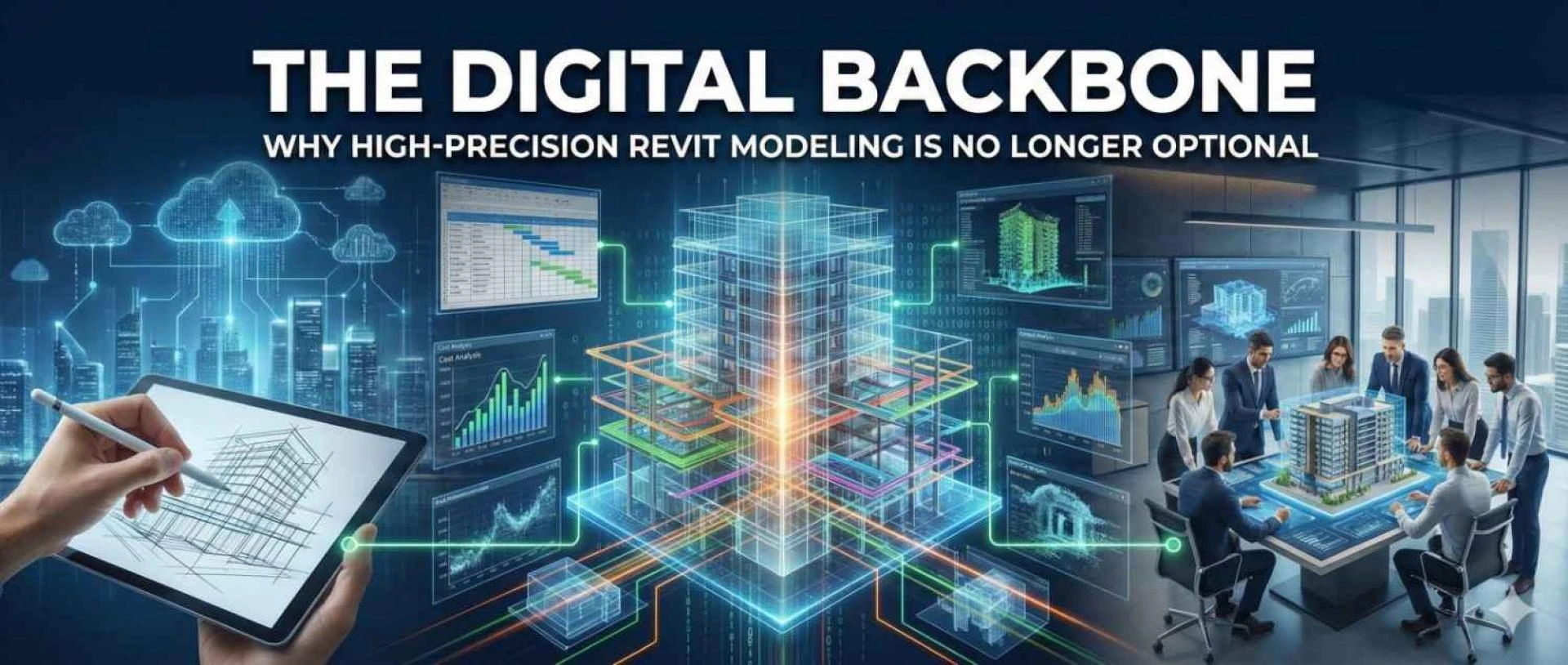
The convergence of cheaper IoT sensors, powerful AI models, and better software interoperability has lowered the barrier to entry. However, building a functional Digital Twin starts long before operations; it starts with high-quality data during design and construction.
To truly capture this value, firms must focus on delivering "Twin-Ready" BIM models. This means structuring data correctly from day one so it can seamlessly plug into operational platforms later.
For a deeper dive into how AI and predictive maintenance are specifically transforming ROI for these roles, read the full industry analysis here: Digital Twins in 2026: Real Benefits for Facility Owners, FM Teams & Asset Managers.
The Data-Rich Future
In 2026, a building without a Digital Twin is like a modern car without a dashboard; you might be moving, but you have no idea how efficiently you're running or when you're about to break down.
The future belongs to those who view the physical building and its digital counterpart as inseparable. Whether you are an owner looking to cut carbon, an FM manager trying to reduce overtime, or an asset manager protecting portfolio value, the Digital Twin is your most valuable employee.























Sign in to leave a comment.