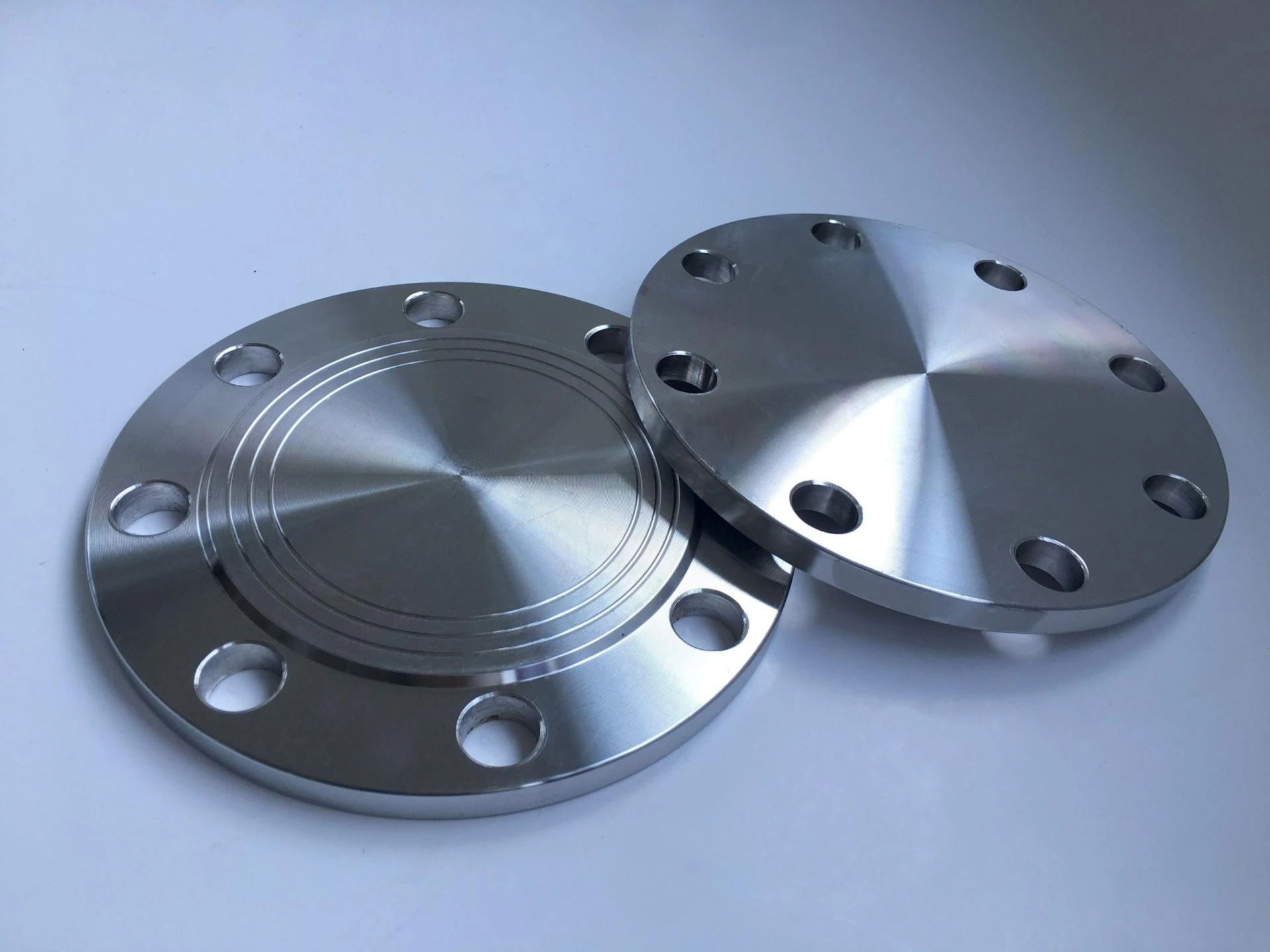

Stainless Steel 304L flanges are indispensable in numerous industries due to their exceptional corrosion resistance, strength, and durability. Proper installation and ongoing maintenance are crucial to ensure the longevity and reliable performance of these flanges. In this blog, we will provide a comprehensive guide on correctly installing and maintaining Stainless Steel 304L flanges to maximize their durability and efficiency in various applications.
Understanding Stainless Steel 304L Flanges
Stainless Steel 304L, a low-carbon variant of the popular 304 grade, is widely recognized for its corrosion resistance and adaptability to various applications. 304L flanges come in various types, including weld neck, slip-on, threaded, socket weld, and lap joint flanges, each with unique applications.
Proper Installation of Stainless Steel 304L Flanges
Preparation and Inspection: Before installation, inspect the flanges and gaskets for any signs of damage or defects. Ensure the flange faces are clean and free of debris, rust, or irregularities.
Gasket Selection: Choose the appropriate gasket material for your specific application. The gasket should be compatible with the fluid, temperature, and pressure conditions.
Flange Alignment: Ensure that the flanges are properly aligned. Misalignment can lead to uneven stress distribution, gasket damage, and leaks. Use alignment tools to achieve the correct alignment.
Proper Bolt Tightening: Use the correct Bolt tightening sequence and torque values recommended for SS 304L flanges. Over-tightening can deform the flange while under-tightening can lead to leaks.
Sealing Flanges: Apply an appropriate sealing material, such as a gasket or sealant, between the flange faces. Ensure that the sealing material is evenly distributed to create a uniform seal.
Use of Proper Bolts: Use bolts and nuts made of materials compatible with Stainless Steel 304L. Avoid mixing materials that can lead to galvanic corrosion.
Inspection and Verification: After installation, inspect the flanges to ensure they are properly seated and tightened. Perform a visual and pressure test to check for leaks.
Maintenance of Stainless Steel 304L Flanges
Regular Inspection: Inspect the flanges for signs of corrosion, damage, or wear. Address any issues promptly to prevent further deterioration.
Gasket Replacement: Over time, gaskets may deteriorate. Replace gaskets when necessary to maintain a reliable seal and prevent leakage.
Corrosion Prevention: Implement corrosion prevention measures, such as coatings or protective barriers, to safeguard the flanges from corrosion, especially in aggressive environments.
Cleaning and Sanitization: In applications where hygiene is critical, clean and sanitize the flanges regularly to prevent bacterial growth or contamination.
Lubrication: Apply an appropriate lubricant to bolts and nuts during maintenance to facilitate proper tightening and reduce friction.
Bolt Retightening: Periodically retighten the bolts to ensure the integrity of the seal. Follow the recommended torque values and sequences.
Record Keeping: Maintain installation and maintenance activities records, including inspection reports and dates. This documentation helps in tracking the history of the flanges.
Conclusion
Stainless Steel 304L flanges are durable and resilient components suitable for various applications. Proper installation and ongoing maintenance are key to longevity and reliable performance. By following the correct installation procedures and implementing regular maintenance practices, you can maximize the efficiency and durability of Stainless Steel 304L flanges, ultimately contributing to the safety and quality of your operations.


























Sign in to leave a comment.