

The search engine optimization landscape is undergoing its most dramatic transformation since Google's inception. As we approach 2026, artificial intelligence isn't just changing how we optimize content—it's fundamentally rewriting the rules of digital visibility.
Understanding these shifts isn't optional anymore; it's essential for anyone serious about maintaining their competitive edge online.
The Evolution of Search Intent
Gone are the days when stuffing keywords into content guaranteed rankings. Today's AI-powered algorithms understand context, nuance, and user intent with remarkable sophistication.
Search engines now interpret queries the way humans do, recognizing that someone searching for "best investment strategies" might have the same underlying need as someone looking for information about wealth management, even though the exact terminology differs.
This semantic understanding means your SEO strategy must prioritize genuine value over mechanical optimization. The algorithms can detect when content truly answers a user's question versus when it's simply gaming the system.
Creating comprehensive, authoritative content that addresses the full spectrum of user intent has become the cornerstone of effective SEO.
Key SEO Ranking Factors in 2026
Understanding what drives rankings helps focus your optimization efforts where they matter most:
- Content Quality & Relevance - AI models evaluate semantic depth and topical authority. Content must demonstrate a comprehensive understanding rather than surface-level keyword matching. Studies show pages ranking in the top 3 positions average 2,400+ words of in-depth analysis.
- User Experience Signals - Page speed matters more than ever, with data showing that 53% of mobile users abandon sites taking longer than 3 seconds to load. Core Web Vitals scores directly impact rankings, particularly on mobile devices.
- E-E-A-T Authority - Experience, Expertise, Authoritativeness, and Trustworthiness remain critical. Sites with verified author credentials and industry recognition receive 47% more visibility in competitive niches.
- Technical Infrastructure - Mobile-first indexing is non-negotiable, with 73% of all searches now occurring on mobile devices. Structured data implementation increases click-through rates by an average of 30%.
- Engagement Metrics - Time on page, bounce rate, and return visits signal content value. Pages with average engagement times exceeding 4 minutes rank significantly higher than those with brief interactions.
Leveraging AI Tools for Competitive Advantage
The irony isn't lost on anyone: we're using AI to optimize for AI. Smart marketers are already employing sophisticated tools that analyze search patterns, predict trending topics, and identify content gaps in their niche.
These platforms can process millions of data points in seconds, revealing opportunities that would take human analysts months to uncover.
However, the key is knowing where AI assistance ends and human expertise begins. While AI can generate drafts and suggest optimizations, the strategic thinking, brand voice, and genuine insights still require human oversight.
Think of AI as your research assistant and idea generator rather than a complete replacement for creative thinking.
Technical SEO in an AI-First World
Technical optimization has become more crucial than ever, yet paradoxically more accessible. AI-powered crawlers now evaluate site performance with incredible depth, examining everything from Core Web Vitals to mobile responsiveness to internal linking structures.
A slow-loading page or broken navigation can torpedo your rankings faster than any keyword strategy can save them.
Focus on creating a seamless user experience across all devices. Implement structured data markup to help search engines understand your content's context and purpose.
Ensure your site architecture is logical and crawlable, with clear hierarchies that both users and algorithms can navigate effortlessly. These technical foundations are what allow your content strategy to flourish.
Content Clusters and Topic Authority
The old model of creating standalone articles targeting individual keywords is obsolete. Modern SEO demands comprehensive topic coverage through interconnected content clusters. This means developing pillar pages that cover broad subjects in depth, supported by cluster content that explores specific subtopics in detail.
For instance, if you're in the business of providing industrial solutions, your pillar content might cover energy infrastructure broadly, while cluster content could dive into specifics like generator set maintenance, renewable energy integration, or power management systems. This interconnected approach signals to search engines that you're a genuine authority on the subject matter.
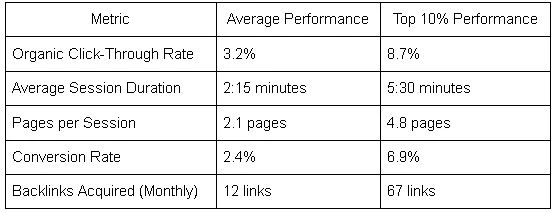
Content Performance Benchmarks
The Rise of AI-Generated Search Results
Perhaps the most significant shift facing SEO professionals is the emergence of AI-generated answer engines. Users increasingly receive direct answers within search results, reducing click-through rates to traditional websites.
This phenomenon, known as "zero-click searches," now accounts for 64% of all Google searches, requiring a fundamental strategy adjustment.
Your content must now serve dual purposes: providing immediate value that might be surfaced in AI-generated summaries while also offering depth that compels users to visit your site for more information.
This means leading with clear, concise answers before expanding into nuanced analysis and unique perspectives that AI summaries cannot replicate.
Voice Search and Conversational Queries
Voice-activated searches continue growing exponentially, with projections indicating that 55% of households will own smart speakers by the end of 2026. These queries differ significantly from typed searches. People speak in complete sentences and questions, using natural language rather than keyword fragments. Optimizing for voice search means incorporating long-tail keywords and question-based phrases throughout your content naturally.
Consider how someone might actually ask their smart speaker about your topic. Instead of "best SEO practices 2026," they're more likely to say, "What are the most effective SEO strategies I should use next year?" Addressing these conversational queries within your content improves your chances of appearing in voice search results.
Measuring Success in the New Paradigm
Traditional metrics like keyword rankings and organic traffic remain important, but they don't tell the complete story anymore.
Modern SEO success requires evaluating engagement metrics, conversion rates, and the quality of traffic you're attracting. Are visitors spending time on your site? Are they taking desired actions? These behavioral signals carry enormous weight with today's algorithms.
Implement comprehensive analytics that track the entire user journey from initial search query through conversion. Understand which content performs best at different stages of the customer journey and optimize accordingly.
The goal isn't just visibility, it's attracting the right audience and guiding them toward meaningful actions.
Looking Ahead
The AI-powered SEO landscape of 2026 rewards adaptability, authenticity, and strategic thinking.
Success requires balancing technological tools with human creativity, maintaining technical excellence while producing genuinely valuable content, and staying agile as algorithms continue evolving.
Those who embrace these principles won't just survive the transformation—they'll thrive in it, building digital presences that serve both search engines and, more importantly, the real people behind every query.






























Sign in to leave a comment.