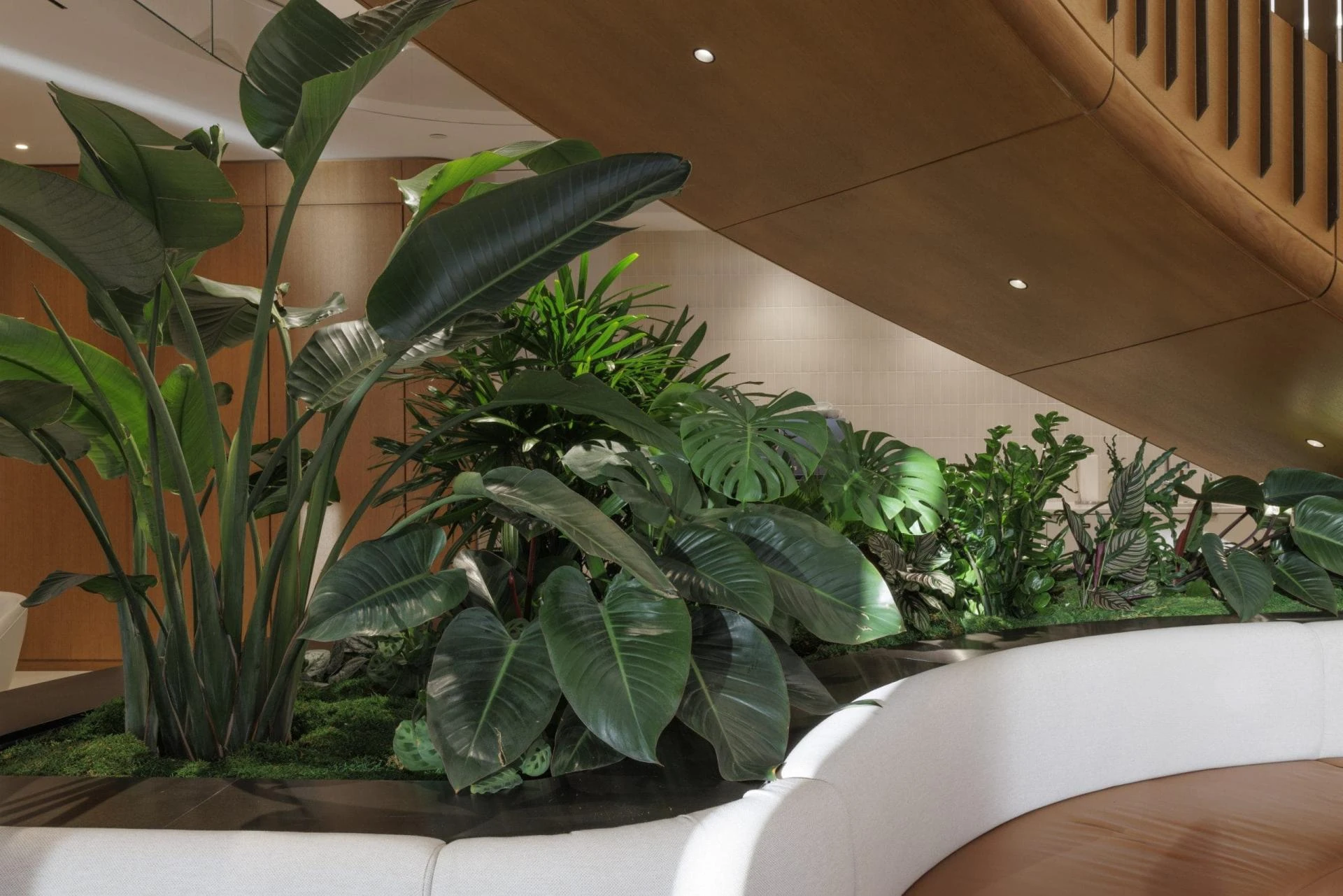

Plantscape design is an art form that combines the beauty of nature with the functionality of interior design. Whether it’s for a home or an office, plantscape can transform a space, adding vibrancy, improving air quality, and creating a more welcoming environment. Unlike traditional landscaping, which focuses on outdoor areas, plantscape design is centered around integrating plants into indoor spaces in creative and strategic ways. This article explores the importance of plantscape design, the benefits it offers, and how it can be tailored to suit both residential and commercial environments.
1. Understanding Plantscape Design
What is Plantscape Design?
Plantscape design refers to the art and practice of incorporating plants into interior spaces. It involves selecting, arranging, and caring for plants in a way that complements the surrounding architecture and design style. The goal is to create a harmonious balance between the plants and the space, ensuring that the greenery enhances the overall ambiance while also serving practical purposes, such as improving air quality and reducing stress.
The Role of Plants in Interior Design
Plants are an essential element in interior design. They bring nature indoors, which has been shown to promote well-being and creativity. In a well-designed plantscape, plants do more than just look beautiful—they create a connection between the indoors and the natural world outside. Whether it's a sleek modern office or a cozy home, plants can be used to complement the design style and create a soothing, dynamic atmosphere.
2. Benefits of Plantscape Design
Enhancing Aesthetics and Mood
One of the most immediate benefits of a plantscape is its ability to enhance the aesthetic appeal of a space. Plants add color, texture, and life to a room, whether it's a large statement plant or a small potted arrangement. The natural beauty of plants contrasts with the often hard, sterile surfaces in modern design, softening the overall look and making the space feel more inviting. In both homes and offices, plantscapes can transform any area into a vibrant, energizing, or calming environment, depending on the desired mood.
Improving Air Quality
Indoor air quality is a common concern in modern buildings, where air circulation is often limited, and pollutants can accumulate. Plants are natural air purifiers, absorbing carbon dioxide and releasing oxygen, which helps to improve the quality of the air in enclosed spaces. Certain plants, such as the spider plant, snake plant, and peace lily, are particularly effective at removing toxins like formaldehyde, benzene, and trichloroethylene from the air. By incorporating a well-thought-out plantscape, homeowners and businesses can create a healthier indoor environment.
Boosting Productivity and Creativity
For offices, plantscapes play a crucial role in enhancing employee productivity and creativity. Studies have shown that the presence of plants in the workplace can reduce stress, increase concentration, and improve overall cognitive function. In spaces where creative thinking is key, like design studios or brainstorming rooms, plants can stimulate innovation and help employees feel more focused and energized. In homes, plants can create a calm, inspirational environment that fosters relaxation and encourages mindfulness.
Reducing Stress and Enhancing Well-being
Having plants indoors has been shown to reduce stress levels and promote mental well-being. Plants can evoke positive emotions, reduce feelings of anxiety, and improve moods. This is why plantscapes are particularly beneficial in spaces where people spend a significant amount of time, such as living rooms, bedrooms, and offices. The presence of greenery can create a soothing, peaceful environment that supports mental clarity and emotional balance.
3. Key Considerations for Plantscape Design
Assessing the Space
The first step in designing a successful plantscape is understanding the space where the plants will be placed. Whether it’s a home or office, the layout, size, lighting conditions, and overall design style of the room must be taken into account. A plantscape designer will assess factors such as natural light, room dimensions, and furniture placement to ensure that the plants complement the existing decor and enhance the overall aesthetic.
Choosing the Right Plants
Different plants have different requirements in terms of light, humidity, and maintenance. For a plantscape to thrive, it’s important to choose plants that are well-suited to the environment in which they will be placed. For instance, low-light plants like ZZ plants, snake plants, and pothos are ideal for spaces with limited natural light, while sun-loving plants like succulents, peace lilies, and aloe vera thrive in brighter environments. An experienced plantscape designer will take into consideration these factors and recommend the best plants for the specific space.
Creating a Balanced Arrangement
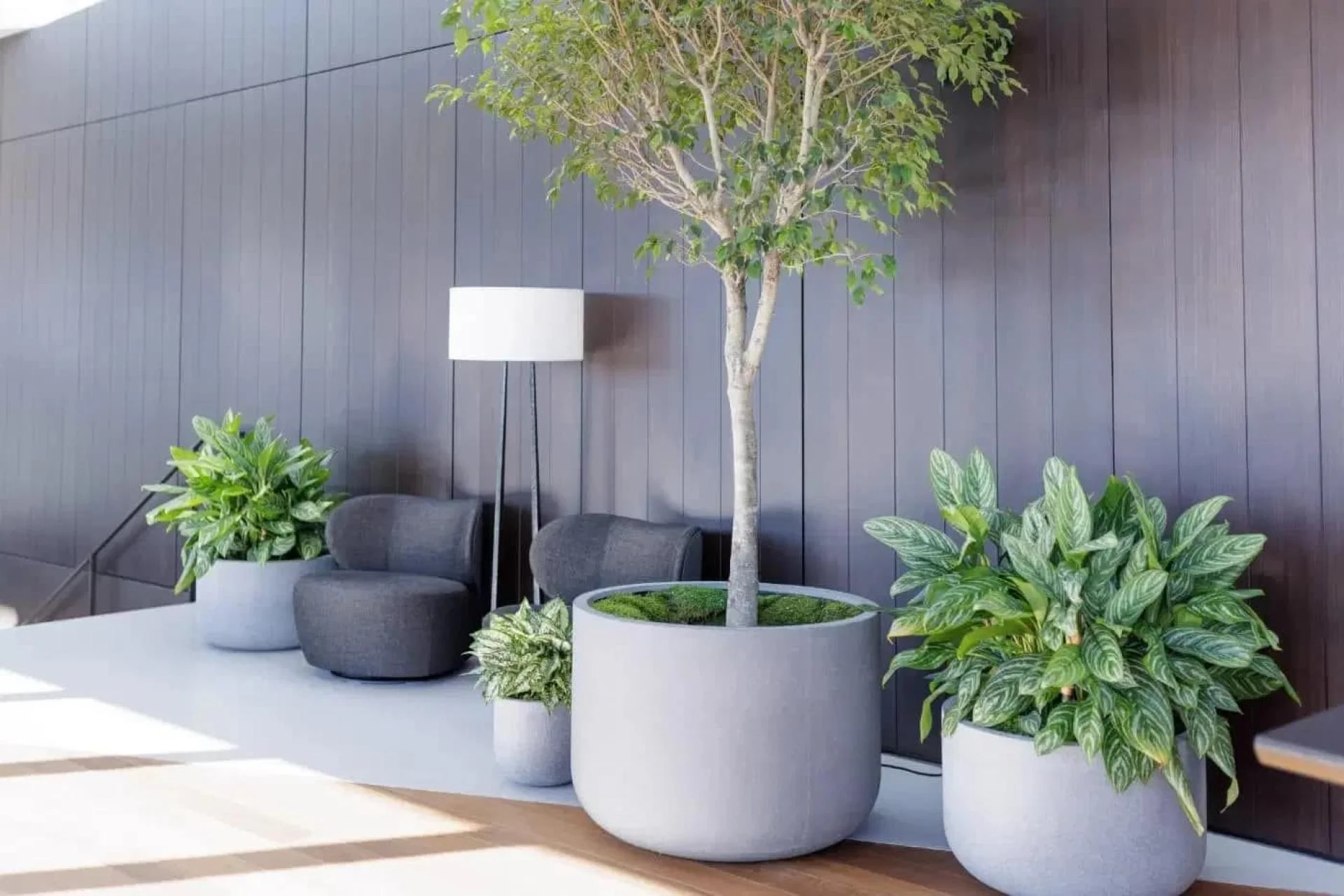
One of the key elements of plantscape design is creating a balanced arrangement that looks natural yet intentional. A good plantscape design takes into account the size, shape, and texture of plants to ensure that they complement one another. For example, large, leafy plants like the fiddle leaf fig or monstera can be paired with smaller plants such as ferns or succulents to create a varied and visually appealing arrangement. The placement of plants is also important—taller plants can be placed in corners, while smaller plants can be positioned on shelves or desks for easy viewing and accessibility.
4. Plantscape Design for Homes
Bringing Nature into the Living Space
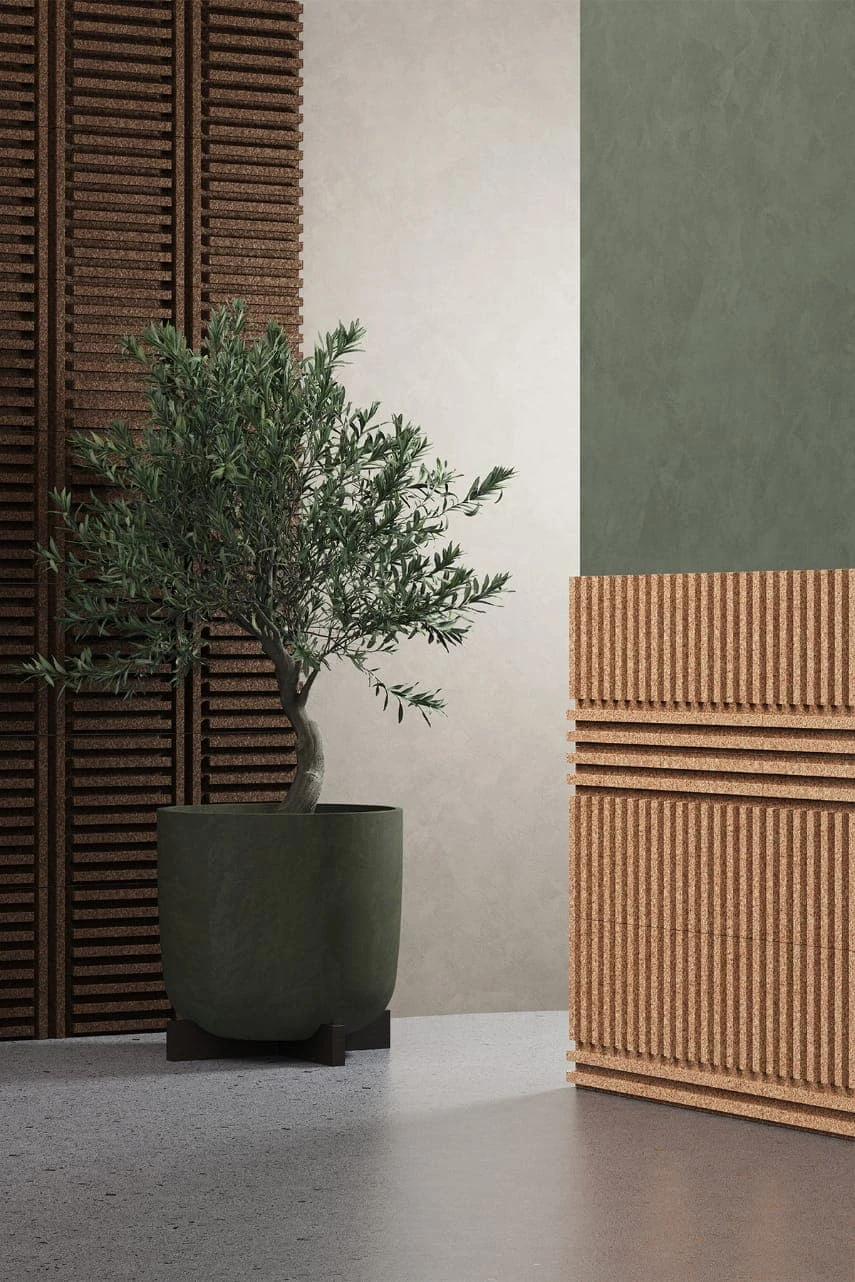
In the home, plants can serve as the centerpiece of a room or be used as accent pieces to complement the decor. Living rooms, kitchens, and entryways are common areas where plantscapes can add both beauty and function. In a living room, large plants can fill empty corners, while smaller plants can be used on coffee tables, side tables, or shelves. For a more modern look, sleek planters with minimalist plants like snake plants or ZZ plants can be used to add structure and elegance.
Creating Tranquil Bedrooms
In bedrooms, plants can contribute to a relaxing atmosphere that promotes restful sleep and relaxation. The right plants, such as lavender or jasmine, are known for their calming properties and can be placed near windows or on nightstands to add a peaceful ambiance. Bedroom plantscapes should be designed to evoke calmness and serenity, incorporating plants that thrive in low-light environments and adding a touch of greenery to the space.
Designing Functional Kitchen Spaces
Plants can also be incorporated into kitchen spaces to provide fresh herbs and improve air quality. A small herb garden on a windowsill or countertop can provide easy access to fresh basil, rosemary, or mint, adding both functionality and visual interest to the space. Vertical gardens or wall-mounted planters are also excellent options for kitchens with limited counter space, allowing homeowners to grow their favorite plants without taking up valuable space.
5. Plantscape Design for Offices
Enhancing Office Atmosphere
Plantscapes in office environments serve as both aesthetic elements and productivity boosters. Office plants can be used to create a welcoming and professional atmosphere, helping to soften the look of harsh, sterile environments. Large plants can fill empty spaces, while smaller plants on desks or bookshelves can add a personal touch. The inclusion of plants in offices can help to break up the monotony of cubicles and create a more dynamic, visually interesting space.
Creating Green Zones for Focus and Collaboration
In offices, plants can be strategically placed to create designated "green zones" that foster both focus and collaboration. For example, placing plants around workstations or in meeting areas helps create a comfortable environment where employees feel relaxed and focused. In brainstorming rooms or collaborative spaces, plants can also spark creativity and enhance group dynamics by providing a calming backdrop for discussion and idea generation.
Green Walls and Vertical Gardens
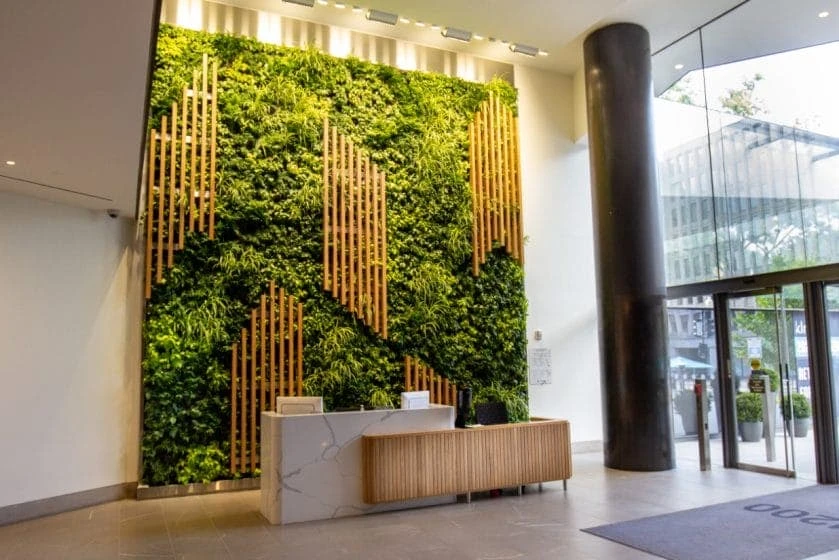
For modern offices with limited floor space, vertical gardens and green walls offer a creative solution. These installations can be used as stunning focal points or to divide spaces within open-plan offices. Green walls help to maximize the use of space while adding a touch of nature to the environment. They are also highly effective at improving air quality and creating a more pleasant atmosphere in busy office settings.
6. Sustainability and Long-Term Care in Plantscape Design
Sustainable Plant Selection
Sustainability is an important aspect of modern plantscape design. Selecting plants that require minimal resources, such as drought-tolerant species, is key to creating an eco-friendly plantscape. Additionally, many plants used in indoor designs are long-lived and low-maintenance, reducing the need for constant replacement and minimizing environmental impact.
Ongoing Maintenance
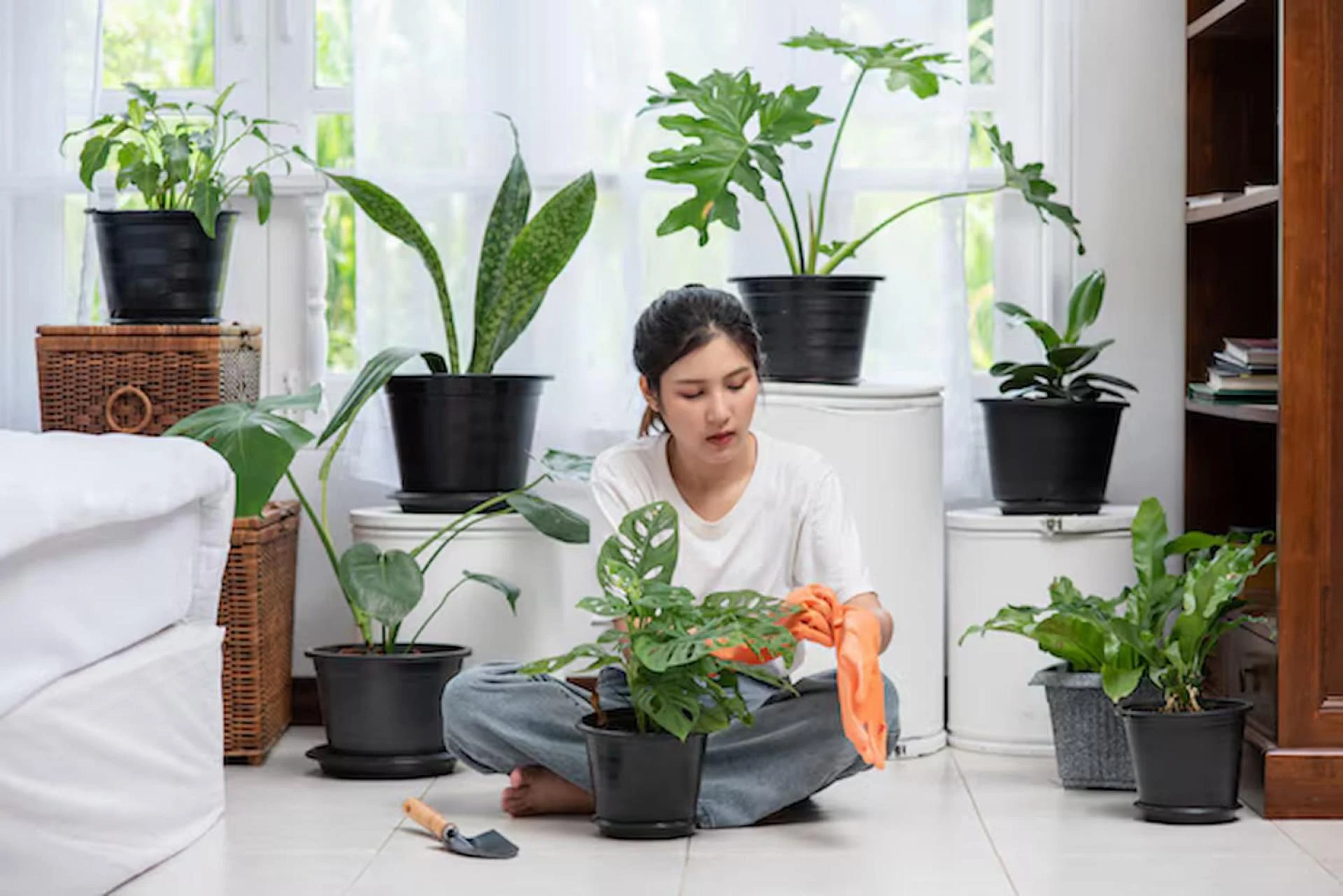
While plantscapes are relatively low-maintenance, they still require ongoing care to ensure they thrive. Regular watering, pruning, and pest control are important aspects of maintaining a healthy plantscape. Many plantscape design services offer maintenance plans that include routine check-ups to keep the plants healthy and vibrant. This ensures that the plants remain a beautiful and functional part of the space for years to come.
Conclusion
Plantscape design is a powerful way to elevate both homes and offices, creating visually appealing, healthy, and inspiring spaces. By thoughtfully incorporating plants into interior environments, homeowners and businesses can enjoy the many benefits of nature, from improved air quality to increased productivity and well-being. Whether it’s creating a tranquil atmosphere in a bedroom or fostering creativity in an office, plantscapes add both beauty and functionality to any space.
For expertly designed plantscapes that complement the unique needs of any home or office, Interior Plantscapes offers tailored solutions that bring the beauty of nature indoors.


























Sign in to leave a comment.