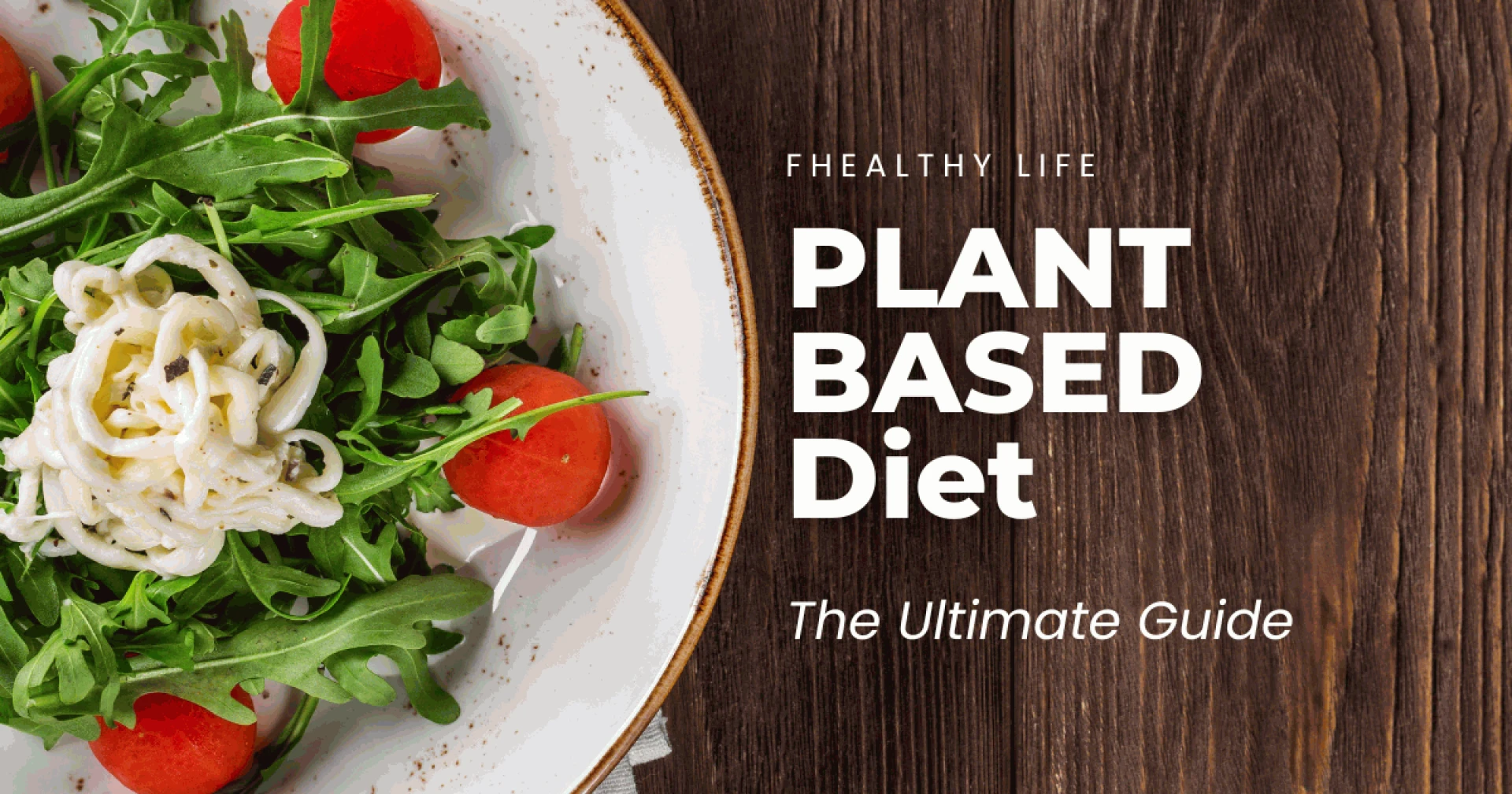

Plants are high in fiber and help to absorb nutrients from food and lower cholesterol level. A plant-based diet can lead to a healthier lifestyle because plants support the immune system. When you adopt whole-plant foods into your diet, you can improve your growth and development in numerous ways.
Plant-Based Diet for a Healthier Lifestyle
There are many Benefits of a Plant-Based Diet for a Healthier Lifestyle, some major points are as follows
Reduced Risk of Chronic Diseases
One of the primary benefits of a plant-based diet is the reduced risk of chronic diseases. Research has shown that consuming a diet rich in fruits, vegetables, whole grains, legumes, and nuts can lower your risk of developing conditions such as heart disease, diabetes, and certain cancers.
Plant-based foods are naturally rich in fiber, vitamins, minerals, and antioxidants, which can help protect your body from oxidative stress and inflammation. These two factors are known to contribute to chronic diseases, making a plant-based diet an excellent choice for those looking to improve their health.
Plant-Based Diet Lower Blood Pressure
A plant-based diet can lower blood pressure and the risk of cardiovascular diseases. Several studies have shown that consuming a diet that is primarily based on plant foods can help reduce blood pressure in both hypertensive and normotensive individuals.
Lower sodium intake
Plant-based diets tend to be lower in sodium compared to diets that are rich in animal products. High sodium intake is a well-known risk factor for high blood pressure.
Higher potassium intake
Plant-based diets are typically rich in potassium, which is a mineral that can help lower blood pressure. Potassium helps to counteract the effects of sodium in the diet.
Higher fiber intake
Plant-based diets are typically higher in fiber, which has been shown to help lower blood pressure. Fiber can help reduce cholesterol levels, improve insulin sensitivity, and promote weight loss.
Rich in phytonutrients
Many plant-based foods contain compounds such as flavonoids, resveratrol, and anthocyanins, which have been shown to have blood pressure-lowering effects.
Lower intake of saturated fat
Plant-based diets are typically lower in saturated fat, which can help improve overall cardiovascular health and reduce the risk of high blood pressure.
Plant-Based Diet help to Reduce Weight
A plant-based diet can help reduce weight. Several studies have shown that consuming it provides all the essential nutrients that your body needs. It provides a range of benefits that can lead to weight loss and improved body composition.
Lower Calorie Density
Plant-based foods are typically lower in calories compared to animal products. This means that you can eat more food while consuming fewer calories, which can help with weight loss.
Higher Fiber Intake
Plant-based diets are typically higher in fiber, which can help you feel full and satisfied. Fiber can also help regulate blood sugar levels, improve digestion, and promote gut health.
Lower Fat Intake
Plant-based diets are typically lower in saturated and trans fats, which are linked to weight gain and obesity. Consuming a diet that is low in fat can help reduce overall calorie intake and promote weight loss.
Higher Nutrient Density
Plant-based foods are rich in essential vitamins, minerals, and other nutrients that are important for overall health. Consuming a diet that is high in nutrient-dense plant foods can help improve your overall health and support weight loss.
Improved Insulin Sensitivity
Plant-based diets have been shown to improve insulin sensitivity, which can help regulate blood sugar levels and promote weight loss.
Improved Digestion and Gut Health
Another benefit of a plant-based diet is improved digestion and gut health. Plant foods are naturally rich in fiber, which can help regulate bowel movements and promote the growth of healthy gut bacteria.
Healthy gut bacteria play a crucial role in maintaining overall health. They help break down food, absorb nutrients, and support the immune system. Consuming a diet rich in plant foods can help foster the growth of these beneficial bacteria, leading to improved digestion and gut health.
Lowered Inflammation
Inflammation is a natural response to injury or infection. However, chronic inflammation can lead to various health problems, including heart disease, diabetes, and autoimmune disorders.
A plant-based diet can help lower inflammation in the body. Many plant foods are naturally anti-inflammatory, containing compounds that can help reduce inflammation in the body. These compounds include polyphenols, flavonoids, and carotenoids, which can be found in fruits, vegetables, and whole grains.
Boosts Immunity
Plant-based diets are rich in essential vitamins and minerals such as vitamin C, vitamin E, beta-carotene, zinc, and selenium, which are all important for the immune system.
Many plant-based foods contain antioxidants such as flavonoids and phenolic acids that can protect cells from damage caused by harmful molecules. This can reduce inflammation and support immune function.
Reduced Environmental Impact
Adopting a plant-based diet can also have a positive impact on the environment. Agriculture is a significant contributor to greenhouse gas emissions, deforestation, and water pollution.
By using more plant foods in your diet, you can help reduce your environmental impact. Plant-based diets are also often more sustainable, requiring less land, water, and resources to produce.
Tips for Adopting a Plant-Based Diet
If you are interested in adopting a plant-based diet, there are several tips you can follow to make the transition easier:
Start Slowly
Gradually incorporate more plant foods into your diet, rather than making drastic changes all at once. Focus on whole foods: Choose whole plant foods, such as fruits, vegetables, whole grains, legumes, nuts, and seeds, rather than processed plant-based products.
Experiment with New Recipes
Try plant-based recipes to keep your meals interesting and satisfying. Don't be too hard on yourself. Remember that it's normal to slip up occasionally. Focus on progress, not perfection.
Conclusion
A plant-based diet can lead to a healthier lifestyle; it reduces your risk of chronic diseases, improves digestion and gut health, lowers inflammation, and reduces environmental impact. A plant-based diet is an excellent choice for those looking to improve their overall health.
If you are adopting a plant-based diet, remember to start slowly, focus on whole foods, experiment with new recipes, and don't be too hard on yourself. With time and dedication, you can reap the many benefits of a plant-based diet.




























Sign in to leave a comment.