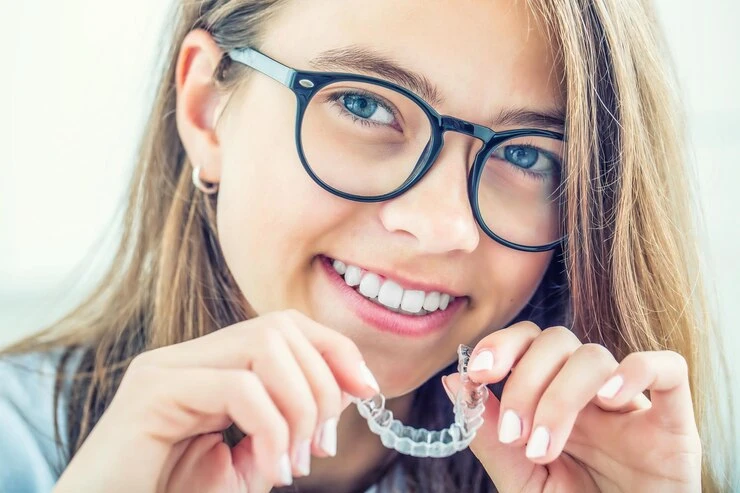

In the realm of orthodontics, the quest for a straight, beautiful smile has led to various treatment options, each with its distinct advantages and disadvantages. Among these, Invisalign has emerged as a popular alternative to traditional braces.
While both methods aim to correct dental misalignments, Invisalign offers a unique set of benefits that appeals to many patients, particularly adults and teenagers seeking a less conspicuous way to achieve their orthodontic goals.
Aesthetic Appeal
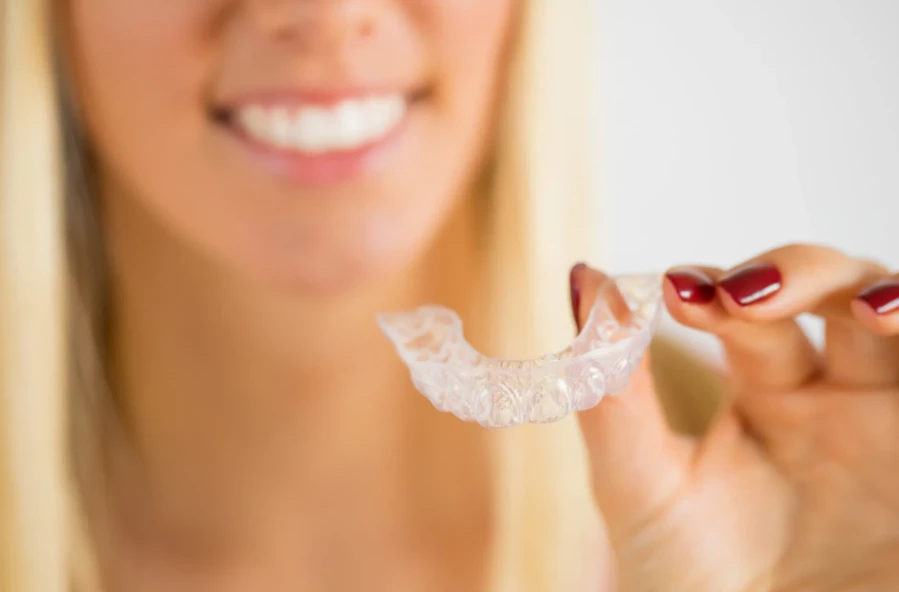
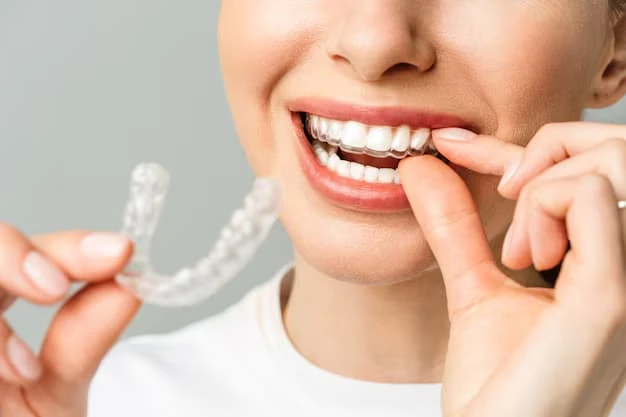
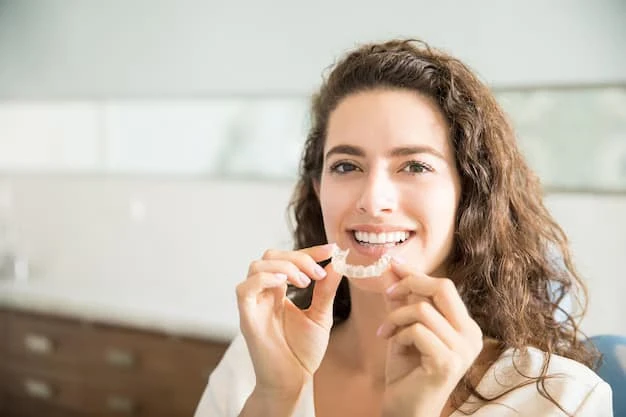
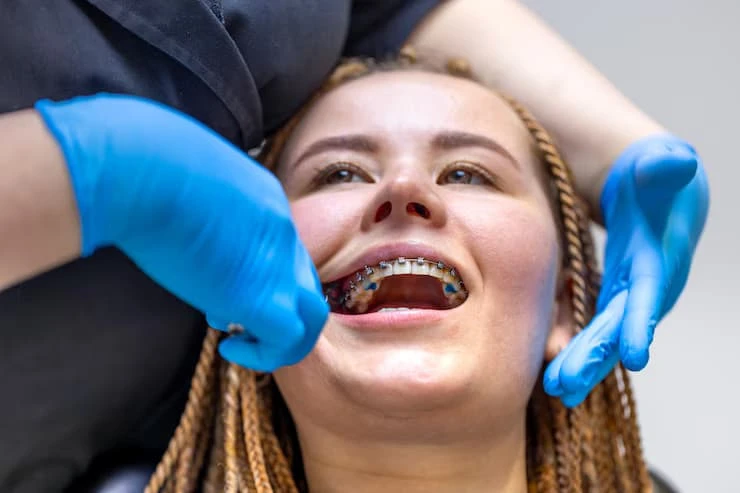
One of the most significant advantages of Invisalign is its aesthetic appeal. Traditional metal braces consist of noticeable brackets and wires, which can be a source of self-consciousness for patients, especially adults. In contrast, Invisalign aligners are made from a clear, durable plastic material that is virtually invisible when worn. This allows patients to undergo orthodontic treatment without drawing attention to their dental appliances.
For many individuals, particularly those in professional settings, maintaining a polished appearance during treatment is essential. Invisalign’s discreet nature allows them to smile confidently without feeling embarrassed about their orthodontic journey. This aesthetic benefit can lead to increased self-esteem and comfort in social situations, making the overall experience of undergoing treatment more positive.
Comfort and Convenience
Invisalign aligners are designed with patient comfort in mind. Unlike traditional braces, which can cause discomfort due to the sharp edges of brackets and wires, Invisalign aligners are smooth and custom-fitted to the patient’s teeth. This design minimizes irritation to the gums and inner cheeks, making the adjustment period much more comfortable.
Additionally, Invisalign aligners are removable, allowing patients to eat, drink, and maintain their oral hygiene without any restrictions. Traditional braces require avoiding certain foods that can damage the brackets or get stuck in the wires, which can be a significant inconvenience. With Invisalign, patients can simply remove their aligners when eating, enabling them to enjoy a wide variety of foods without worry.
Maintaining oral hygiene is also easier with Invisalign. Patients can brush and floss their teeth normally when the aligners are removed, reducing the risk of plaque buildup and cavities during treatment. As a result, Invisalign often leads to better overall dental health throughout the course of orthodontic care.
Customized Treatment Plan
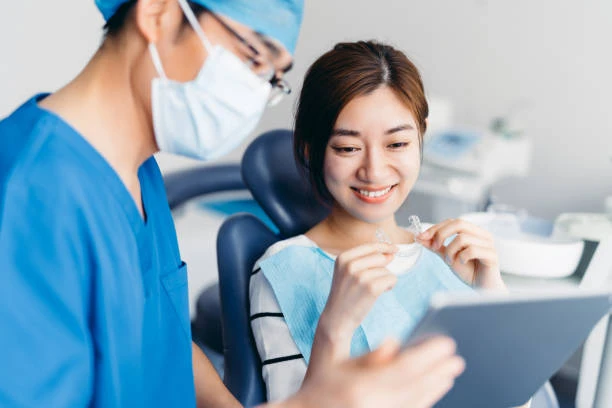
Invisalign utilizes advanced technology to create a personalized treatment plan tailored to each patient’s unique dental needs. The process begins with a comprehensive digital scan of the patient’s mouth, which generates a 3D model of their teeth. From this model, orthodontists develop a precise treatment plan that outlines the movement of the teeth over time, allowing patients to visualize the expected outcome.
This individualized approach ensures that each aligner is specifically designed to address the patient’s specific alignment issues. Patients receive a series of aligners that gradually shift their teeth into the desired positions, with each set designed to be worn for about two weeks before transitioning to the next in the series. This level of customization contributes to the effectiveness of the treatment, as each aligner is tailored to meet the patient’s progress.
Fewer Office Visits
Another notable benefit of Invisalign is the reduced frequency of office visits compared to traditional braces. With metal braces, patients typically need to visit the orthodontist every four to six weeks for adjustments, which can be time-consuming and inconvenient. In contrast, Invisalign patients often require fewer in-person appointments, as they receive multiple sets of aligners at once during their visits.
This flexibility can be particularly advantageous for busy individuals who may struggle to fit frequent appointments into their schedules. Patients can manage their treatment more independently, changing their aligners at home according to the prescribed timeline without needing to visit the orthodontist as frequently.
Predictable Results
Invisalign treatment is known for its predictability. The advanced technology used in creating the aligners allows patients and orthodontists to visualize the anticipated results from the very beginning. With the aid of computer simulations, patients can see how their teeth will move throughout the treatment process, providing a clear picture of the expected outcome.
This transparency helps to set realistic expectations and allows patients to feel more confident in their treatment journey. Knowing what to expect can alleviate anxiety and encourage greater adherence to the treatment plan, as patients are more engaged in the process when they can visualize their progress.
Easier Transition to Retainers
Once the Invisalign treatment is complete, transitioning to retainers is often simpler than with traditional braces. After the active phase of treatment, patients typically receive a set of retainers to help maintain their new smile. Since Invisalign allows for a more gradual movement of teeth, the transition to retainers may not involve the same level of adjustment as seen with traditional braces.
Patients accustomed to wearing Invisalign aligners may find it easier to adapt to retainers, which can be similar in feel and function. This smooth transition can contribute to better compliance with retainer wear, further ensuring that the results achieved during treatment are preserved for years to come.
The Empowering Experience
Finally, the experience of undergoing Invisalign treatment can be empowering for many patients. The ability to remove aligners gives individuals more control over their treatment, allowing them to take an active role in their orthodontic journey. This empowerment can lead to increased accountability and commitment to wearing the aligners as prescribed.
Additionally, the positive changes in both appearance and function resulting from Invisalign treatment can foster a sense of achievement and confidence. Many patients report feeling more motivated to take care of their oral health and maintain their smiles long after completing their orthodontic journey.
In summary, Invisalign presents a host of benefits over traditional braces, including aesthetic appeal, comfort, customization, and convenience. With its smooth, clear aligners, Invisalign offers a discreet and effective solution for individuals seeking to improve their dental alignment. As more patients discover the advantages of this innovative orthodontic treatment, it continues to gain popularity as a preferred option for achieving a healthy, beautiful smile.

























Sign in to leave a comment.