Many digestive concerns are not caused by the stomach or intestines alone. Often, the real issue lies in poor coordination between the brain and the pelvic floor muscles. When these signals are not synchronized, problems such as chronic constipation, incomplete bowel emptying, pelvic discomfort, and difficulty controlling stools can develop.
Biofeedback therapy is designed to correct this imbalance. At Kaizen Gastro Care, Dr. Rupali Jankar helps patients retrain their muscles and restore healthy bowel function through structured, non-surgical biofeedback sessions.
The Science Behind the Brain–Gut Relationship
Your brain and digestive system constantly communicate through a network of nerves and muscles. This communication controls:
- Bowel movements
- Muscle tightening and relaxation
- Stool passage
When this system does not function properly:
- Muscles may tighten instead of relaxing
- Brain signals may become mistimed
- Passing stools becomes difficult
- Symptoms keep recurring
Biofeedback therapy at Kaizen Gastro care focuses on restoring this communication so that the brain and muscles work together efficiently again.
What Exactly Is Biofeedback Therapy?
Biofeedback therapy is a structured, non-invasive treatment that improves muscle coordination.
During each session:
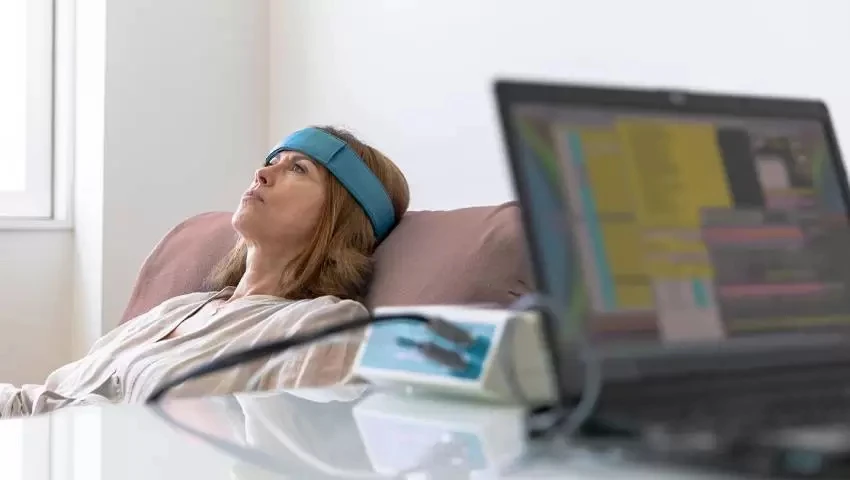
- Special sensors monitor muscle activity
- A screen displays muscle movements in real time
- Patients learn how to contract and relax muscles correctly
- The brain gradually relearns proper control
This guided training strengthens the connection between the nervous system and digestive muscles.
How Biofeedback Improves Muscle Control
The therapy works through repeated, guided practice. Over time, patients become more aware of how their muscles function and learn to control them better.
Benefits of the training include:
- Better timing of muscle relaxation
- Improved strength in weak muscles
- Reduced tension in overactive muscles
- More effective bowel emptying
As coordination improves, symptoms reduce and overall comfort increases.
Conditions That Respond Well to Biofeedback
Biofeedback therapy is often recommended for:
- Long-standing constipation
- Pelvic floor dysfunction
- Difficulty during stool passage
- Fecal incontinence
- Functional bowel disorders
Instead of only managing symptoms, this therapy addresses the underlying coordination problem.
Expert Care by Dr. Rupali Jankar
Dr. Rupali Jankar specializes in pelvic floor rehabilitation and functional digestive disorders. Her treatment approach focuses on safe, non-surgical methods that aim to improve long-term quality of life.
Areas of Expertise:
- Advanced biofeedback therapy techniques
- Pelvic floor muscle retraining
- Functional bowel disorder management
- Personalized and structured therapy planning
Patients appreciate her clear explanations, supportive guidance, and consistent therapeutic outcomes.
Why Consider Biofeedback Instead of Long-Term Medication?
While medications may provide temporary symptom relief, they do not correct muscle coordination problems. Biofeedback therapy works at the root level.
Key advantages include:
- Drug-free approach
- No surgical procedures
- No hospitalization
- Sustainable improvement
- Enhanced muscle awareness and control
For many patients, this makes biofeedback a reliable and long-term solution.
What Happens During Therapy Sessions?
Biofeedback sessions are designed to be comfortable and private. Patients receive step-by-step instructions while observing their muscle activity on a monitor.
Over multiple sessions, gradual improvement is seen. Many individuals notice better control and reduced symptoms within a few visits.
When Should You Seek Help?
Consider booking a consultation if you experience:
- Persistent constipation
- Straining during bowel movements
- A constant feeling of incomplete emptying
- Loss of bowel control
Early intervention increases the chances of faster and more effective recovery.
Take the First Step Toward Better Digestive Control
Muscle coordination issues do not improve on their own, but they can be successfully managed with proper guidance and structured therapy. Biofeedback retrains your body, strengthens brain–gut communication, and restores confidence in bowel control.
If you are seeking expert biofeedback therapy, consulting Dr. Rupali Jankar at Kaizen Gastro Care can help you move toward lasting relief.
Book your appointment today or opt for an online consultation to receive a customized treatment plan suited to your condition.
























Sign in to leave a comment.