

Bleeding gums can feel minor at first. You may notice pink in the sink when brushing. Your gums may feel tender or swollen. Many people ignore it. They assume they brushed too hard.
But bleeding is not normal. Healthy gums do not bleed with gentle brushing. Ongoing bleeding is often a sign of gum disease. Early care can prevent long-term damage. That is where structured bleeding gums treatment becomes important.
This article explains the clinical pathway of bleeding gum treatment in a referral practice. It outlines what happens, why it matters, and how treatment protects your teeth and overall health.
Understanding Why Gums Bleed
Gums bleed when plaque builds up along the gum line. Plaque contains bacteria. These bacteria irritate the soft tissue around the teeth. The body responds with inflammation.
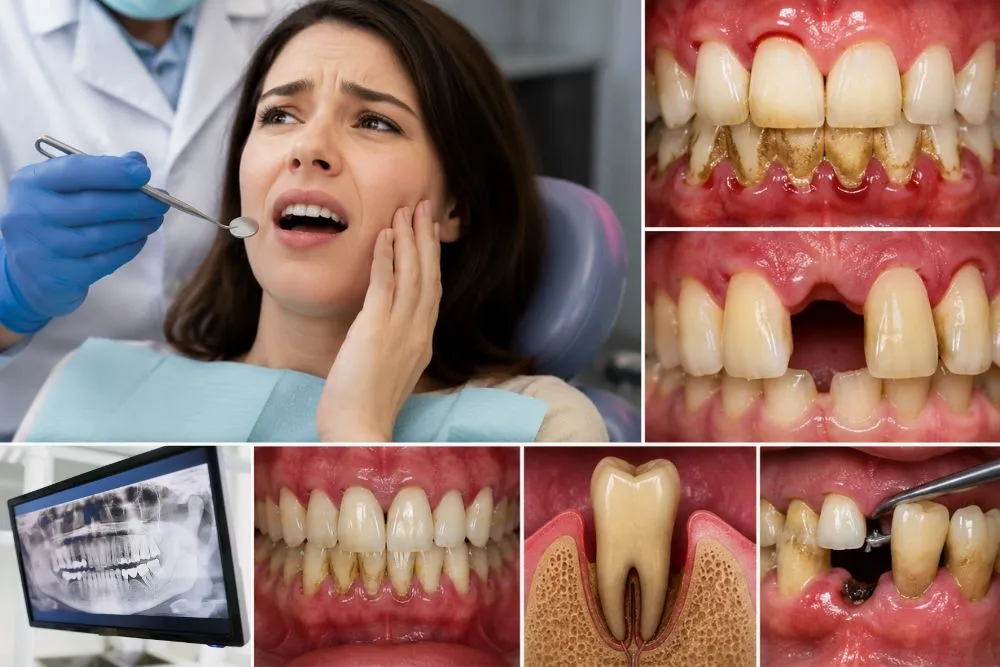
This early stage is called gingivitis. Gums may look red and puffy. They bleed during brushing or flossing. At this stage, damage is still reversible.
If left untreated, the infection can move deeper. It affects the bone that supports the teeth. This stage is called periodontitis. Teeth may loosen. Gum recession may appear. Treatment becomes more involved.
That is why early treatment of gum bleeding is important. It stops disease before bone loss begins.
The Initial Consultation for Bleeding Gums
The first step in proper gum bleeding treatment is a full assessment. This is not a quick check. It is a detailed review of your gum health.
The clinician will:
- Ask about your symptoms
- Review your medical history
- Check for risk factors such as smoking or diabetes
- Examine your gums for swelling, bleeding points, and recession
- Measure gum pocket depths around each tooth
Pocket measurements show how far the infection has spread. Healthy gums have shallow pockets. Deeper pockets suggest gum disease.
In many cases, dental X-rays are taken. These help assess bone levels. They show whether bone loss has already occurred. This stage forms the foundation of your bleeding gums treatment plan.
Diagnosing the Stage of Gum Disease
Not all bleeding gums are the same. The treatment depends on the stage of the disease. If the condition is limited to gingivitis, care may focus on thorough cleaning and improved home care.
If periodontitis is present, the approach is more structured. Deep pockets need targeted cleaning below the gum line. The aim is to remove bacteria and hardened deposits from root surfaces.
Clear diagnosis ensures that bleeding gums treatment is tailored, not guesswork.
Professional Cleaning and Non-Surgical Care
For many patients, the next step is non-surgical periodontal therapy. This is often called scaling and root surface debridement.
This part of the bleeding gums treatment involves:
- Removing plaque and tartar above and below the gum line
- Cleaning the root surfaces to make them smooth
- Reducing bacteria in deep gum pockets
The goal is to reduce inflammation. When bacteria are removed, gums can begin to heal. Bleeding often reduces within days to weeks.
Patients are also given tailored home care advice. Brushing technique matters. So does interdental cleaning. Without good daily care, professional treatment cannot succeed.
Reviewing the Response to Bleeding Gums Treatment
Healing is not assumed. It is measured.
Around eight to twelve weeks after treatment, a review appointment takes place. Gum pockets are measured again. Bleeding points are recorded.
This review shows whether the bleeding gums treatment has been effective. In many cases, pocket depths reduce. Bleeding decreases. Gum tissue appears firmer and healthier.
If deep pockets remain, further care may be required.
When Surgical Treatment Is Needed
Some cases of gum disease are advanced. Deep pockets may not respond fully to non-surgical care. In these situations, surgical treatment may be considered.
Surgical periodontal therapy allows direct access to root surfaces. The clinician gently lifts the gum tissue. This allows thorough cleaning of deep areas that cannot be reached otherwise.
In certain cases, regenerative procedures may be used. These aim to support bone repair where possible.
Surgery is not always required. It depends on disease severity. The aim remains the same: control infection and protect tooth support. Structured bleeding gums treatment reduces the need for extraction later on.
The Role of Ongoing Maintenance
Gum disease can return if not monitored. After active bleeding gums treatment, patients enter a maintenance phase.
Maintenance visits usually take place every three to four months. During these visits:
- Gum health is reviewed
- Pockets are checked
- Professional cleaning is carried out
- Home care is reinforced
This stage is essential. Research shows that supportive periodontal care reduces the risk of further breakdown.
Think of it as long-term protection, not a one-off fix.
Risk Factors That Affect Bleeding Gums
Some factors make gum disease more aggressive. Smoking is a major risk factor. It reduces blood flow to the gums. It also masks bleeding, which can delay diagnosis.
Diabetes is another important factor. Poorly controlled blood sugar can worsen gum inflammation. Gum disease can also make blood sugar control more difficult.
Hormonal changes, certain medications, and genetic factors can play a role.
A thorough assessment ensures that bleeding gums treatment considers the whole person, not just the mouth.
Why Early Intervention Matters
Many people wait until pain appears. Gum disease often progresses without pain. Bleeding may be the only early sign.
Delaying care allows bacteria to damage bone. Bone loss is not easily reversed. Teeth may become loose. Treatment becomes more complex.
Early bleeding gums treatment is simpler and more predictable. It protects natural teeth. It supports fresh breath and comfortable eating.
It also supports general health. Studies link gum disease with heart disease, diabetes, and adverse pregnancy outcomes. Managing gum infection reduces the body’s inflammatory burden.
Final Thoughts
Bleeding gums are a warning sign. They should not be ignored. Structured bleeding gums treatment follows a clear clinical pathway. It begins with careful assessment. It moves through targeted cleaning. It includes review and, if needed, surgical care. Long-term maintenance protects results.
Healthy gums do not bleed. With timely care, inflammation can settle, and stability can return. Acting early prevents bone loss and tooth loss. If you notice bleeding during brushing, seek professional advice. Simple steps taken now can protect your smile for many years. Your gums deserve attention, care, and ongoing support.





























Sign in to leave a comment.