

In today’s world, sustainability and efficiency are top priorities. Businesses are increasingly turning to Facility Audits and Energy Audits to understand how their buildings operate and identify areas for improvement. These audits not only help reduce costs but also support long-term sustainability goals, making buildings safer, smarter, and more environmentally responsible. Whether you manage an office, industrial facility, or commercial complex, understanding these audits is the first step toward optimizing your operations.
What Is a Facility Audit?
A Facility Audit is a comprehensive review of a building’s overall condition, covering its structure, systems, and operational processes. It evaluates everything—from electrical and HVAC systems to plumbing, safety mechanisms, and maintenance practices.
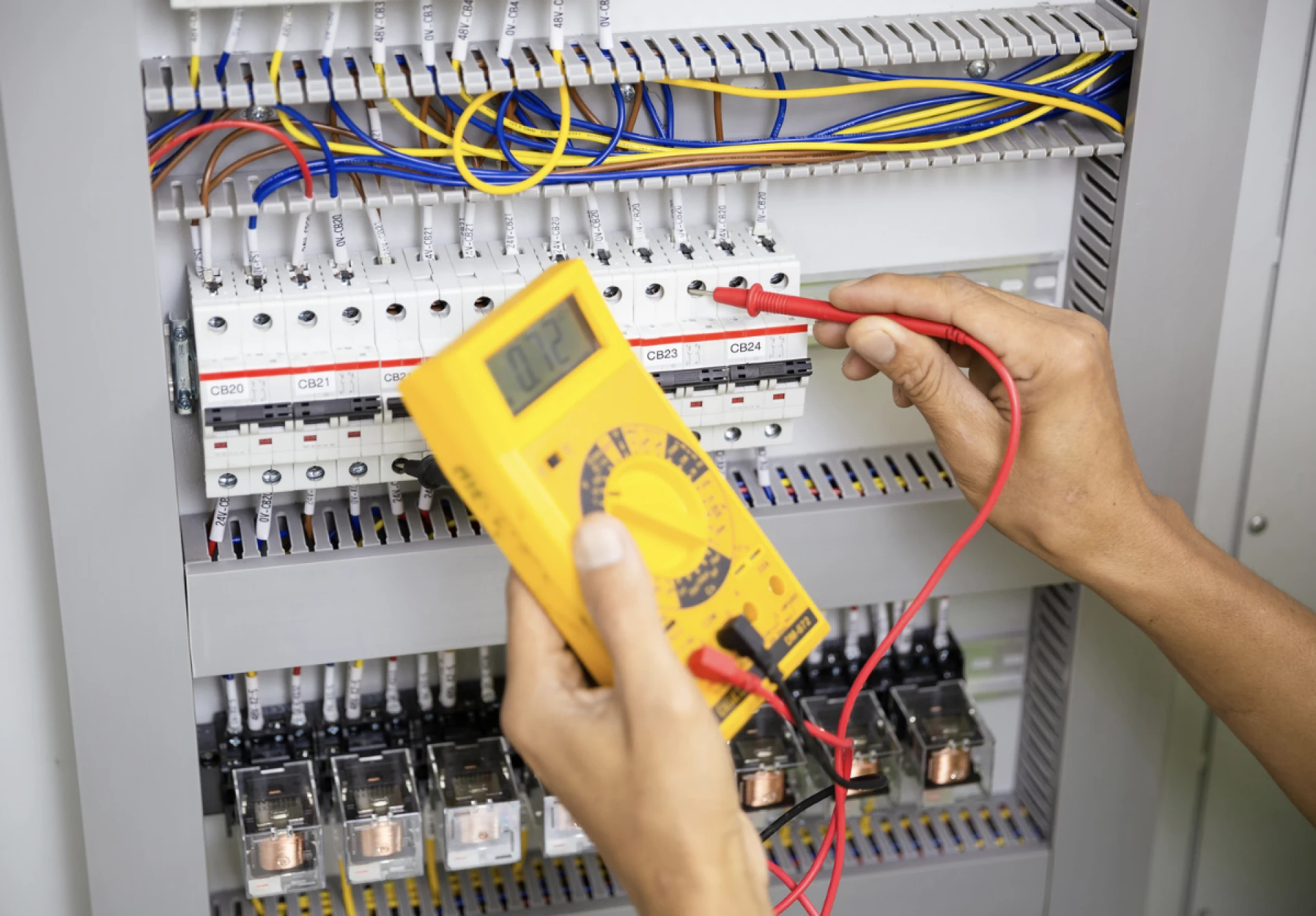
During the audit, professionals inspect equipment performance, examine maintenance logs, and check compliance with safety and regulatory standards. This process identifies areas that may need upgrades or repairs, helping extend asset lifespan, prevent downtime, and improve overall operational efficiency.
Think of a Facility Audit as a health check for your building—revealing issues that might otherwise go unnoticed but could affect performance and safety over time.
Understanding Energy Audits
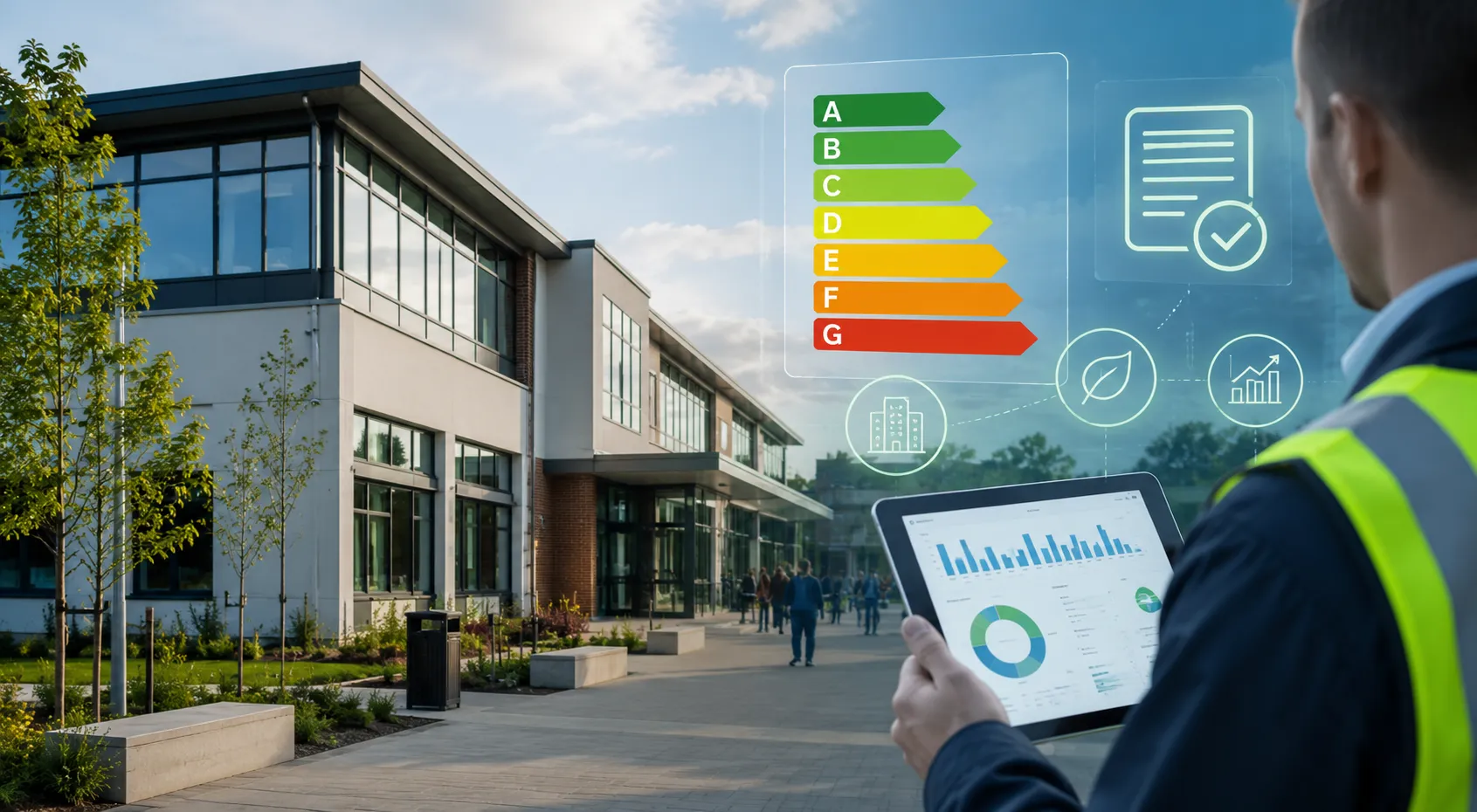
While a Facility Audit looks at the big picture, an Energy Audit focuses specifically on how energy is used in a building. The goal is to identify inefficiencies and recommend practical measures to reduce energy consumption without compromising performance.
Energy audits typically involve:
- Data Analysis: Reviewing utility bills, operational schedules, and equipment performance.
- On-Site Inspections: Assessing lighting, insulation, HVAC systems, and other energy-dependent equipment.
- Recommendations: Proposing energy-saving solutions like LED retrofits, HVAC optimization, automation controls, or renewable energy integration.
Implementing the findings from an energy audit allows facility managers to reduce utility costs, lower carbon emissions, and advance corporate sustainability initiatives.
How Facility and Energy Audits Work Together
While a Facility Audit ensures your building operates efficiently, an Energy Audit pinpoints where energy is being wasted. When combined, they provide a holistic view of a building’s performance.
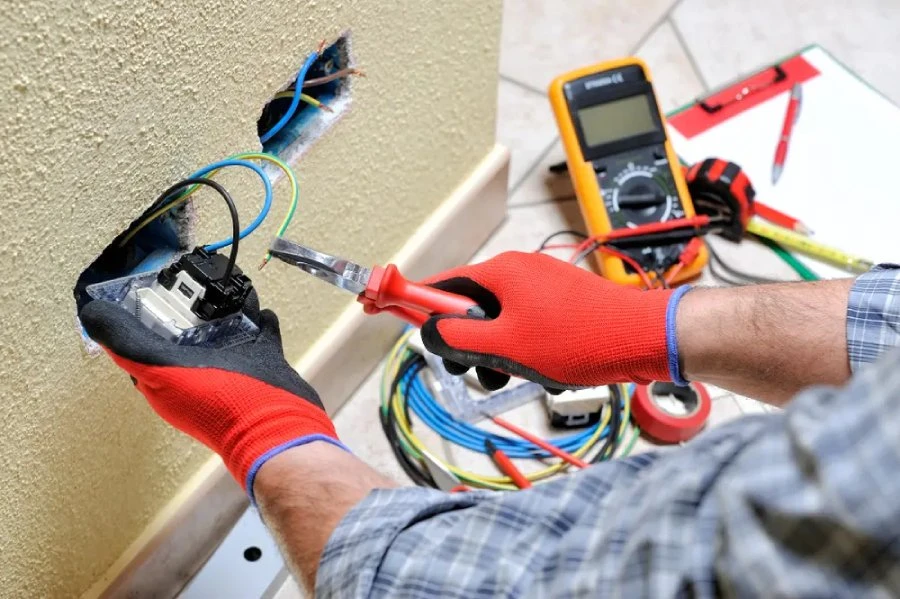
For example, an energy audit may highlight a high-power-consuming lighting system, while a facility audit could reveal that aging wiring amplifies energy loss. Addressing both issues simultaneously ensures improvements enhance both efficiency and safety.
This integrated approach allows businesses to make smarter, data-driven decisions that improve operational efficiency, safety, and sustainability in one coordinated effort.
Benefits of Conducting Facility and Energy Audits
- Reduced Operating Costs: Identify inefficiencies to cut energy and maintenance expenses.
- Improved Equipment Lifespan: Timely maintenance prevents premature failures.
- Enhanced Safety and Compliance: Maintain adherence to safety standards and reduce risks of accidents or violations.
- Environmental Sustainability: Lower carbon footprint through energy-efficient practices and optimized systems.
- Better Decision-Making: Audit insights help facility managers plan upgrades and investments effectively.
Prioritizing audits not only reduces expenses but also strengthens an organization’s reputation as an environmentally responsible business.
Implementing Audit Recommendations
The value of an audit comes from taking action. Audit reports provide detailed findings and suggestions—such as upgrading outdated equipment, sealing insulation leaks, or installing energy-efficient systems.
Many organizations also benefit from continuous monitoring to track performance after improvements. This ensures efficiency measures remain effective over time and can adapt to evolving energy demands. Partnering with experienced professionals ensures audits are accurate and aligned with operational goals.
Moving Toward Sustainable Building Operations
Sustainable building management is about more than reducing costs—it’s about creating resilient, efficient environments that support business continuity and environmental responsibility. Facility and Energy Audits are essential tools for achieving this balance.
By transforming inefficiencies into opportunities, these audits help buildings stay functional, safe, and future-ready.
For organizations aiming to optimize performance and sustainability, Exergy Technologies offers trusted Facility Audit and Energy Audit services. The company also provides Green Mark certification support, helping buildings meet Singapore’s green building standards while promoting a cleaner, more energy-efficient future.
























Sign in to leave a comment.