
Explore the world of specialty tarps with our in-depth guide. From fire-resistant tarps to custom-sized solutions, discover the diverse types of specialty tarps and their specific applications. Learn how these tarps offer unique benefits, enhance safety, and provide tailored solutions for various industries and activities. Perfect for professionals and DIY enthusiasts alike, this guide will help you choose the right specialty tarp for your needs.
The Comprehensive Guide to Specialty Tarps: Types, Uses, and Benefits
Tarps are versatile tools used in numerous applications, but specialty tarps take this versatility to the next level. Designed to meet specific needs and withstand unique conditions, specialty tarps offer tailored solutions for various industries and activities. In this guide, we’ll explore the different types of specialty tarps, their uses, and the benefits they provide.
What Are Specialty Tarps?
Specialty tarps are tarps designed for particular applications that require specific features or materials. Unlike general-purpose tarps, specialty tarps are engineered to meet specialized requirements, such as resistance to extreme temperatures, chemicals, or fire. They are used in a range of fields, including construction, agriculture, and emergency services.
Types of Specialty Tarps
1. Fire-Resistant Tarps
Fire-resistant tarps are designed to withstand high temperatures and resist ignition. Made from materials such as fiberglass, silicone-coated fabrics, or treated polyvinyl chloride (PVC), these tarps are essential in environments where fire hazards are prevalent. They are commonly used in welding areas, industrial settings, and emergency response situations. By providing a barrier against sparks and flames, fire-resistant tarps help protect both people and property.
2. Waterproof Tarps
Waterproof tarps are made from materials like polyethylene or vinyl and are treated to prevent water penetration. These tarps are ideal for applications where keeping things dry is crucial, such as covering outdoor equipment, boats, or construction sites. They are often used in conjunction with waterproofing agents to enhance their effectiveness. Waterproof tarps come in various thicknesses and sizes to meet different needs, from small garden covers to large-scale industrial applications.
3. UV-Resistant Tarps
UV-resistant tarps are treated to block ultraviolet (UV) rays from the sun, preventing damage from prolonged exposure. These tarps are ideal for protecting items from sun degradation and are commonly used in outdoor settings. They are valuable for covering vehicles, equipment, and outdoor furniture. UV-resistant tarps help extend the lifespan of covered items by minimizing the effects of sun exposure, such as fading and cracking.
4. Chemical-Resistant Tarps
Chemical-resistant tarps are designed to withstand exposure to various chemicals, including acids, bases, and solvents. Made from materials such as neoprene, nitrile, or vinyl, these tarps are essential for industries where chemical spills or exposure is a risk. They are used in laboratories, manufacturing facilities, and agricultural settings. By providing a protective barrier, chemical-resistant tarps help prevent damage and ensure safety in hazardous environments.
5. Mesh Tarps
Mesh tarps are made from woven or knitted materials that allow air to pass through while still providing shade and protection from debris. These tarps are ideal for applications where ventilation is important, such as covering mulch, sand, or compost. Mesh tarps are also used in construction sites to prevent dust from spreading. They come in various mesh sizes and strengths to suit different needs.
6. Custom-Sized Tarps
Custom-sized tarps are tailored to fit specific dimensions and requirements. Whether you need a tarp for an unusual-sized area or a specialized application, custom-sized tarps can be manufactured to meet your exact specifications. These tarps are often used in unique or unconventional situations where standard sizes won’t suffice. By providing a perfect fit, custom tarps ensure optimal coverage and protection.
Benefits of Specialty Tarps
1. Enhanced Safety
Specialty tarps are designed to meet specific safety requirements. Fire-resistant tarps, for example, protect against sparks and flames, while chemical-resistant tarps provide a barrier against hazardous substances. By addressing these unique risks, specialty tarps enhance safety for workers and property.
2. Increased Durability
Specialty tarps are engineered to withstand extreme conditions, such as high temperatures, UV rays, or chemical exposure. This durability ensures that the tarp will perform reliably over time, even in challenging environments. Investing in a specialty tarp can save money in the long run by reducing the need for frequent replacements.
3. Tailored Solutions
One of the key benefits of specialty tarps is their ability to provide tailored solutions. Whether you need a fire-resistant tarp for a welding site or a UV-resistant tarp for outdoor equipment, specialty tarps are designed to meet specific needs. This customization ensures that you get the right protection for your particular application.
4. Improved Performance
Specialty tarps are designed to perform optimally in their intended environments. For example, waterproof tarps effectively keep moisture out, while UV-resistant tarps prevent sun damage. By choosing the right specialty tarp, you can ensure that your equipment, property, or materials receive the best possible protection.
Choosing the Right Specialty Tarp
When selecting a specialty tarp, consider the following factors:
Material: Choose a material that suits the specific conditions of your application, whether it’s fire resistance, chemical resistance, or UV protection.
Size: Ensure the tarp is appropriately sized for your needs. For custom-sized tarps, provide accurate dimensions to ensure a perfect fit.
Thickness and Strength: Consider the thickness and strength of the tarp based on the level of protection required. Heavier-duty tarps offer greater durability and resistance.
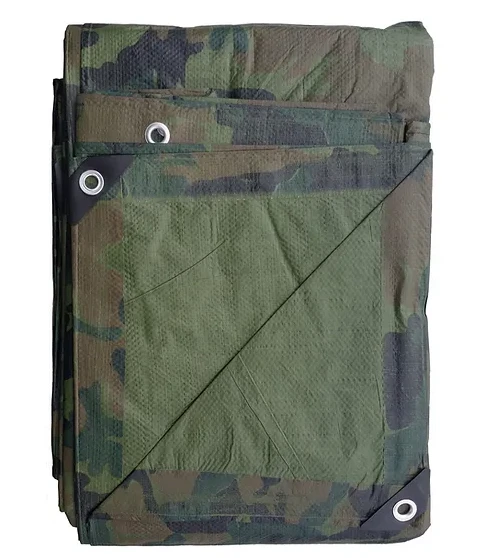
Features: Look for additional features such as grommets for securing the tarp or reinforced edges for added strength.
Conclusion
Specialty tarps offer a range of benefits tailored to specific needs and conditions. From fire-resistant and waterproof options to custom-sized solutions, these tarps provide enhanced safety, durability, and performance for various applications. By understanding the different types of specialty tarps and their unique features, you can make an informed decision and choose the right tarp for your requirements. Whether you’re in construction, agriculture, or any other industry, specialty tarps are an invaluable tool for ensuring optimal protection and performance.





























Sign in to leave a comment.