
Homeowners in the Pacific Northwest face a unique set of challenges and opportunities. With property values in the Puget Sound region continuing to climb and the footprint for new construction becoming increasingly scarce, the focus has shifted from moving away to building within. One of the most effective ways to increase both the utility and the market value of a residence is to rethink existing structures. Converting underutilized spaces into functional, high-end living quarters is no longer just a trend; it is a primary strategy for savvy urban property owners.
When considering a residential overhaul, the first step is often identifying where the most significant square footage "leak" occurs. For many, that area is the space originally designed for vehicles or storage. A professionally executed seattle garage conversion offers a seamless way to add an Accessory Dwelling Unit (ADU) or an expanded living suite without the logistical nightmares of building a completely new detached structure from the ground up.
The Evolution of Urban Living Spaces
The modern Seattle home must be multifunctional. The rise of remote work, the desire for multi-generational living arrangements, and the need for passive rental income have changed what we require from our floor plans. A standard two-car garage often represents several hundred square feet of climate-controlled potential. By integrating this space into the primary envelope of the home, you are essentially "finding" a new apartment or a luxury studio that was hidden in plain sight.
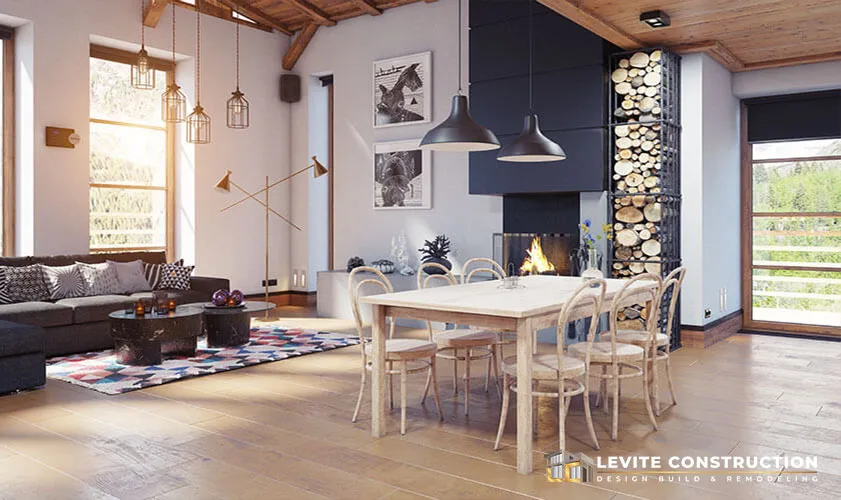
The transition from a utilitarian storage zone to a refined living area requires more than just drywall and flooring. It demands a vision for how the space will breathe and flow. Architecture in the Northwest must account for light, or the lack thereof during winter months. High-placed clerestory windows, vaulted ceilings that expose original rafters, and industrial-chic glass doors that replace traditional overhead garage doors are all ways to ensure the new space feels intentional rather than like an afterthought.
Navigating the Technical Landscape
One of the hurdles that often intimidates homeowners is the complex web of zoning laws and building codes. In recent years, local legislation has become increasingly favorable toward ADUs and DADUs (Detached Accessory Dwelling Units). However, the technical requirements for a legal conversion are stringent. Issues such as slab insulation, ceiling height requirements, and plumbing integration must be addressed in the design phase to avoid costly corrections during inspection.
Working with a dedicated team like Levite Construction ensures that these technicalities are handled with precision. From structural engineering to seismic retrofitting, which is a critical consideration in our region, every detail must align with current safety standards. Beyond safety, there is the matter of comfort. Converting a space that was never meant for human habitation requires a sophisticated approach to HVAC systems. Split-system heat pumps are often the preferred choice for these conversions, providing efficient heating and cooling without the need for bulky ductwork that would eat into the precious vertical space.
Designing for Longevity and Luxury
A high-quality conversion should never look like a "garage." The goal is a seamless transition where a visitor cannot tell where the original house ends and the conversion begins. This is achieved through material continuity. Matching the exterior siding, roofing, and interior millwork is essential for aesthetic harmony.
Interior design for smaller footprints requires a focus on "smart" luxury. This includes:
- Custom Cabinetry: Built-in storage that utilizes vertical space prevents the room from feeling cluttered.
- Integrated Appliances: For kitchenettes, using panel-ready appliances allows the kitchen to blend into the living area.
- High-End Finishes: Because the square footage is smaller than a full house, homeowners can often afford higher-quality materials, such as quartz countertops or wide-plank hardwood floors, that make the space feel premium.
If the goal is to create a rental unit, durability becomes a priority. Choosing luxury vinyl plank (LVP) flooring that mimics wood but offers waterproof protection is a practical choice. If the space is intended for an aging parent or a "mother-in-law" suite, focusing on universal design principles, such as curbless showers and wider doorways, ensures the space remains functional for decades to come.
Financial Implications and ROI
The return on investment for a garage transformation is twofold. First, there is the immediate appreciation of the property value. Appraisers look at finished square footage and the presence of a legal ADU as significant value-adders. Second, there is the potential for recurring revenue. In the current rental market, a well-appointed studio or one-bedroom unit in a desirable neighborhood can command significant monthly rent, often covering a large portion of the homeowner's primary mortgage.
Furthermore, the cost per square foot for a conversion is typically lower than that of a new addition. Since the foundation, walls, and roof are already in place, the budget can be allocated toward high-quality interior finishes and energy-efficient upgrades rather than basic structural shells. This makes it one of the most cost-effective home addition strategies available to urban dwellers.
Environmental Responsibility in Construction
Building "up or out" isn't always the most sustainable choice. By repurposing an existing structure, you are reducing the carbon footprint associated with new raw materials. Modern conversions also allow for the installation of superior insulation and energy-efficient windows, which significantly reduces the energy load of the property. In a city that prides itself on environmental stewardship, transforming an uninsulated garage into an airtight, energy-efficient living space is a win for both the homeowner and the community.
Choosing the Right Partner
The success of a project of this magnitude hinges on the expertise of the contractor. It is not merely about swinging hammers; it is about project management, permit navigation, and design sensibility. You need a partner who understands the specific soil conditions of the Northwest, the rainfall patterns that dictate drainage requirements, and the aesthetic nuances of Seattle’s diverse neighborhoods, from the craftsman homes of Capitol Hill to the modern builds in Ballard.
A conversion is an investment in your lifestyle and your financial future. It provides the flexibility to grow your family, house your guests, or launch a new business from a professional home office. By choosing to revitalize your existing space, you are not just adding a room; you are unlocking the hidden potential of your home.
When you are ready to stop using your garage as a graveyard for old boxes and start using it as a vibrant, valuable part of your life, the path forward is clear. With the right vision and a commitment to quality craftsmanship, your home can become more than you ever imagined it could be. Exploring the possibilities of aseattle garage conversion is the first step toward a more functional, profitable, and beautiful residential experience.




























Sign in to leave a comment.