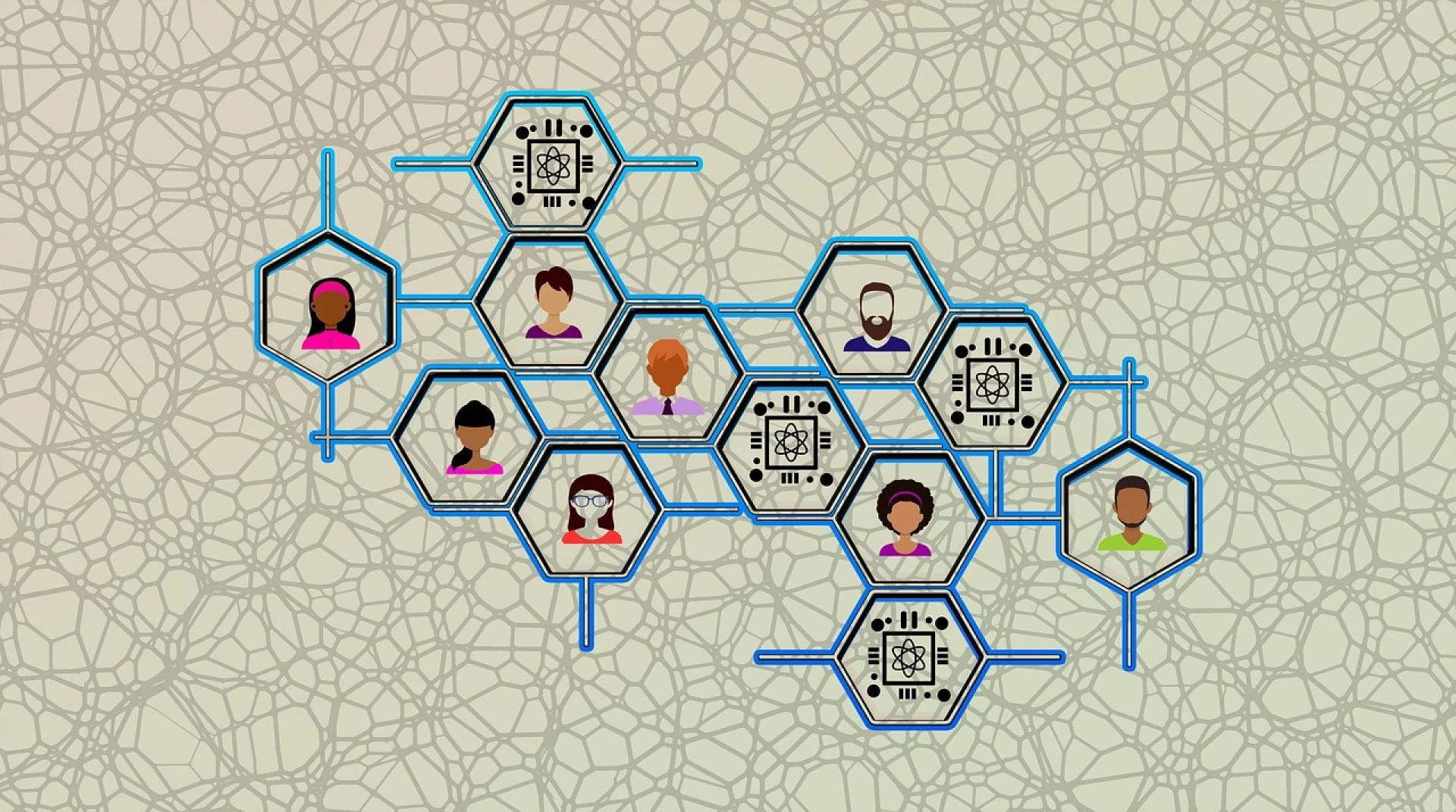

Big Data has been proclaimed to be the engine of the digital economy, driving innovation in all industries and changing how organizations work. From personalized shopping experiences to real-time healthcare monitoring, data has become the backbone of advancement. However, behind this promise lies an ugly fact—the back side of Big Data. The issue of surveillance, privacy threats, and concerns of control are raising ethical red flags, and businesses, policymakers, and individuals must exercise caution.
Here, we will take a look at the ethical issues of Big Data and how it affects privacy, as well as the dangers of surveillance and why governance and awareness are more essential than ever.
The Rise of Big Data
The data explosion is unprecedented. Each e-commerce transaction, friend request, geo-location ping, or medical record is a contribution to the piles of digital data that are created every day. Organizations can use this information to gain valuable insights—predicting consumer behavior, improving logistics, or even spotting fraud.
But this plethora of information has erased the distinction between convenience and intrusion. It is the same system that suggests products you like or adds friends that can be used to misuse your personal data.
The Hidden Cost of Connectivity Surveillance.
One of the biggest concerns of the era of Big Data has become surveillance. Individuals are now easier to monitor by governments, corporations, and even malicious actors than in the past. We are progressively living under a digital microscope as facial recognition systems allow us to be tracked on social media.
As an example, better infrastructure and safety can be ensured by so-called smart cities with sensors and interconnected devices. However, they do prepare minute reports about the movements and activities of citizens as well. Although this information could assist in crime prevention, several questions are raised: who owns this data, and in what way is it used?
Privacy in Peril
Privacy has always been regarded as one of the most essential human rights, and in the digital era, it’s constantly at risk. Whenever people choose to accept the terms and conditions page, they lose chunks of their intimacy.
The social media firms gather information about people, online stores monitor their history, and mobile apps usually require connections to contacts, cameras, and microphones. Although a large portion of this information is harmlessly personalized, it can also be manipulated with targeted intent to harm or be used to commit identity theft or discriminate against.
Major data breaches have also demonstrated that there is no system that is completely secure. Credit card numbers, medical history, or even biometric data can get into the wrong hands and cause financial and emotional pain.
Control: Who owns the data?
Control is one of the largest questions of Big Data. Who is entitled to gather, archive, and utilize the information that we create?
The majority of individuals believe that they are the owners of their own personal information, yet the fact remains that this information is frequently managed by companies and websites that offer online services. As an example, as soon as you post a photo on a social media site, you might no longer have full control of its storage or sharing.
This loss of control is also applied to data-based decisions. The Big Data feeds automated algorithms that manipulate loan approval, which advertisements are shown to people, or even who police patrols. These systems may support inequality and discrimination in the absence of transparency.
Business Ethics.
In the case of companies, ethical use of Big Data is not a choice anymore; it is a necessity. Customers have been getting more conscious about their privacy and are holding companies accountable. Data mishandling can destroy reputations, but it can also lead to legal actions, such as the General Data Protection Regulation (GDPR) or a similar legislation that is under consideration in India, the Digital Personal Data Protection Act.
To address these challenges, companies must act responsibly. They should practice transparency by clearly informing users about how their data will be used. Consent must also be prioritized so that individuals always have the choice to opt in or out of data collection. In addition, security measures need to be strong enough to protect sensitive information from breaches or misuse. Finally, fairness should be embedded into data-driven algorithms to ensure that no community or individual is unfairly disadvantaged by bias.
By embedding these principles into their operations, organizations can strike a balance between innovation and responsibility.
The Role of Education and Awareness
The ethical aspects of big data are important not only to businesses but also to individuals engaging in data science as a profession. Knowledge is not sufficient: data professionals have to understand the social consequences of their work.
To those interested in the field, taking up a data science course in Chennai would offer a potent balance between technical expertise and ethical guidelines. Such courses may also include real-life case studies where the misuse of data can result in unintended harm, and students are better equipped to create systems that are more responsible.
Likewise, a data science certification in Chennai provides students with a certification that not only reflects their technical skills but also their sensitivity to ethical issues. As organizations are becoming more committed to responsible AI and data, these certifications have the potential to make careers much more successful.
Finding a balance between responsibility and innovation.
There is no doubt about the promise of Big Data: it can change industries, spur growth, and make life better. However, the dangers may exceed the benefits in the absence of ethical safeguards. Intrusion of privacy, monitoring, and control may jeopardize the credibility of the population and may ultimately kill innovation.
Governments, businesses, and individuals need to collaborate in order to reach a compromise. Rules must be understandable and implementable, businesses must be socially responsible, and people must be educated about online rights.
With the current ongoing evolution of the digital space, awareness will be our most powerful weapon against abuse. We can make Big Data a source of empowerment, not exploitation, by means of learning, questioning, and responsible action.
Conclusion
The downside of Big Data is a reality, but not a necessity. Innovation, ethics, and accountability combine to create a future in which technology works to our advantage, instead of enslaving us. Convenience can never be our cost at the expense of privacy or freedom.
A data science course in Chennai is a great option that professionals who want to make a difference in this field should consider to acquire the necessary technical skills and ethical considerations. Individuals who want to enhance their qualifications can also pursue a data science certification in Chennai, which equips them with the ability to navigate the modern data-driven world responsibly and competently.
Big Data is here to stay—the question is whether we utilize it properly, or its darker side will control our future.































Sign in to leave a comment.