

AI has traditionally been categorised into two distinct paradigms: symbolic AI, which is based on rules and logic, and machine learning, which is data-driven pattern recognition. These two approaches were distinct, and each had advantages and disadvantages over the decades. However, a new frontier called neurosymbolic AI is being developed, which combines the interpretability of logic with the flexibility of machine learning. This combination will be a game-changer in treating data science and tackling real-world issues.
This blog will discuss the meaning of neurosymbolic AI, its importance, how to use it in data science, and how individuals can upskill to keep up with this changing discipline. To become familiar with such advanced ideas, a data science course in Chennai can become a life-altering decision for learners and professionals in India.
What is neurosymbolic AI?
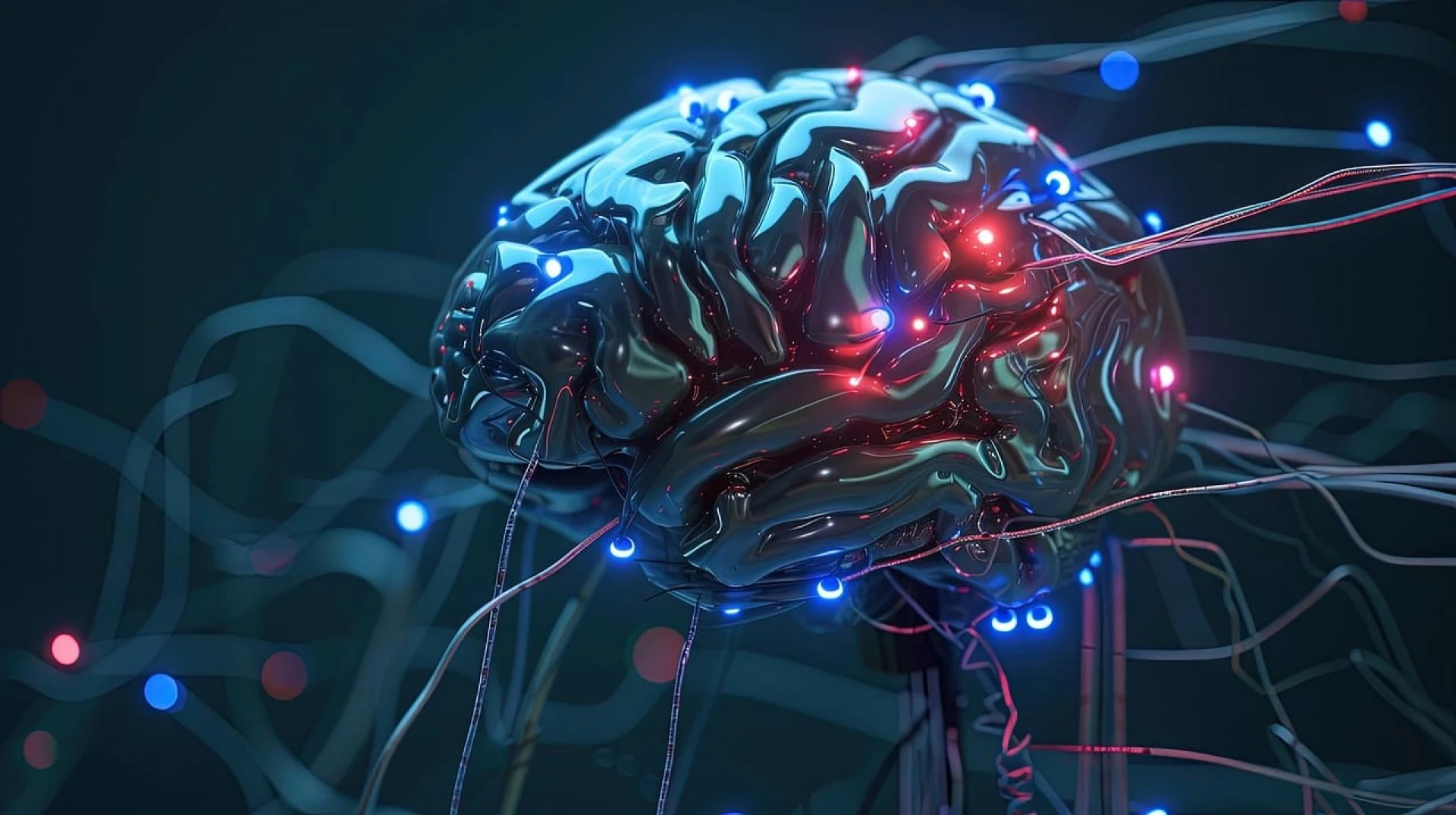
Neurosymbolic AI is a combination of neural networks and symbolic reasoning. Symbolic AI is based on logical rules, knowledge graphs, and formal systems to provide a structured representation of information. Conversely, modern machine learning (neural networks) is great at identifying patterns in large data sets but can be considered a black box.
Through a combination of the two, neurosymbolic AI seeks to bring the two worlds together. Symbolic reasoning offers transparency, explainability, and neural networks facilitate scalability when dealing with large and unstructured data, and the combination of transparency, explainability, and scalability allows AI systems to generalize patterns learned and apply them to new and previously unknown situations.
Such a hybridization of symbolic and neural paradigms helps AI systems to not just learn but also reason, and more human-like intelligence is accessible in data science applications.
Why Does Neurosymbolic AI Matter in Data Science?
Data science refers to deriving insights from raw data to act as decision-making drivers. Conventional machine learning has been robust, though not interpretable or reasonable. Neurosymbolic AI finds solutions to such gaps in several ways.
First, it enhances explainability since symbolic reasoning adds structure and clarity to black-box models and enables their outcomes to be more comprehensible to data scientists, business stakeholders, and regulators. Second, it makes data more efficient, since symbolic reasoning fills empty spaces and removes the reliance on huge labeled datasets. Third, it allows generalizations to be made more effectively, where the models can be used to apply insights outside of training examples, which is essential when using data science in a dynamic real-world setting.
To enable professionals to tap into these skills, a data science course in Chennai will offer practical exposure to both machine learning and symbolic reasoning methods.
Neurosymbolic AI applications to data science
Logic and learning are already in a fusion stage that is transforming industries, and their uses are rampant. In medical diagnostics, machine learning algorithms can identify irregularities like tumors in medical imaging. In contrast, symbolic reasoning makes sure that such decisions are consistent with the accepted clinical guidelines and, therefore, explainable and reliable.
Neural networks excel at detecting unusual transaction patterns in financial fraud detection, whereas symbolic AI ensures that a system is accountable and regulates it effectively.
Neurosymbolic AI is an application of deep learning with grammar and semantics knowledge to the patterns in language in natural language processing (NLP). This enhances activities such as chatbots, document summarization, and knowledge management in the data science processes.
Independent systems like self-driving cars can process sensor data using machine learning, but symbolic reasoning can be used to make sure the cars obey laws on the road, creating safer, more reliable decisions.
Challenges in Neurosymbolic AI
Although it has potential, neurosymbolic AI has several challenges. The combination of the neural and symbolic components is complicated, and its implementation may consume substantial amounts of computation. Scalability is also a problem that can arise when datasets become large; symbolic systems can become cumbersome. Lastly, there is an observable talent shortage, as only a small number of practitioners have been trained in machine learning and symbolic reasoning.
These difficulties underscore the need to have a structured education. To fill in this talent gap, a data science certification in Chennai can cover the foundational skills of machine learning, logic-based systems, and real-world project exposure.
The future of data science is neurosymbolic AI
The implications of neurosymbolic AI will be massive in the long term. It is predicted to produce responsible AI systems that would be in line with ethical standards and regulatory expectations, which would be a common characteristic. It will also result in data-efficient learning, which will decrease the use of massive datasets and make AI development more available to both large and small organizations. Besides, learning and thinking together will advance neurosymbolic AI systems to more human intelligence, beyond recognizing correlations to causality and reasoning complex problems.
This change implies that data scientists need to keep updating their skills. Cities such as Chennai are emerging as centers of tech skills, and by doing a data science course in Chennai, learners get future-ready skills in neurosymbolic AI and more.
Upskilling for the Neurosymbolic AI Era
To survive in this new environment, professionals must acquire hybrid expertise. They shall have to master the essential machine learning and deep learning, such as supervised and unsupervised learning, advanced architectures, and model evaluation. They also need to be aware of logical and symbolic systems, including ontologies, knowledge graphs, and formal logic, to supplement the data-driven methodologies.
Nearness to practice is of significance, and thus, working on real-world projects, such as those in the healthcare, finance, and natural language processing industries, will also offer hands-on experience. Last but not least, there is a great difference between certifications and organized training programs. A data science certification in Chennai provides both structure, mentorship, and exposure to projects relevant to industry-related problems, which prepares future learners for this hybrid AI future.
Conclusion
The next big technology in artificial intelligence is neurosymbolic AI, a subdivision of logic and machine learning that creates clear, effective, and potent systems. Among data science professionals, this method is the key to the complex and real-world problems, which cannot be resolved without accuracy and responsibility.
The need to explain AI, in addition to the power of AI solutions, will skyrocket as organizations continue to demand AI solutions that are not only powerful but also explainable. To the aspirants, taking a data science course in Chennai or acquiring a data science certification in Chennai is a wise project to be ahead of the curve in this revolutionary discipline.

























Sign in to leave a comment.