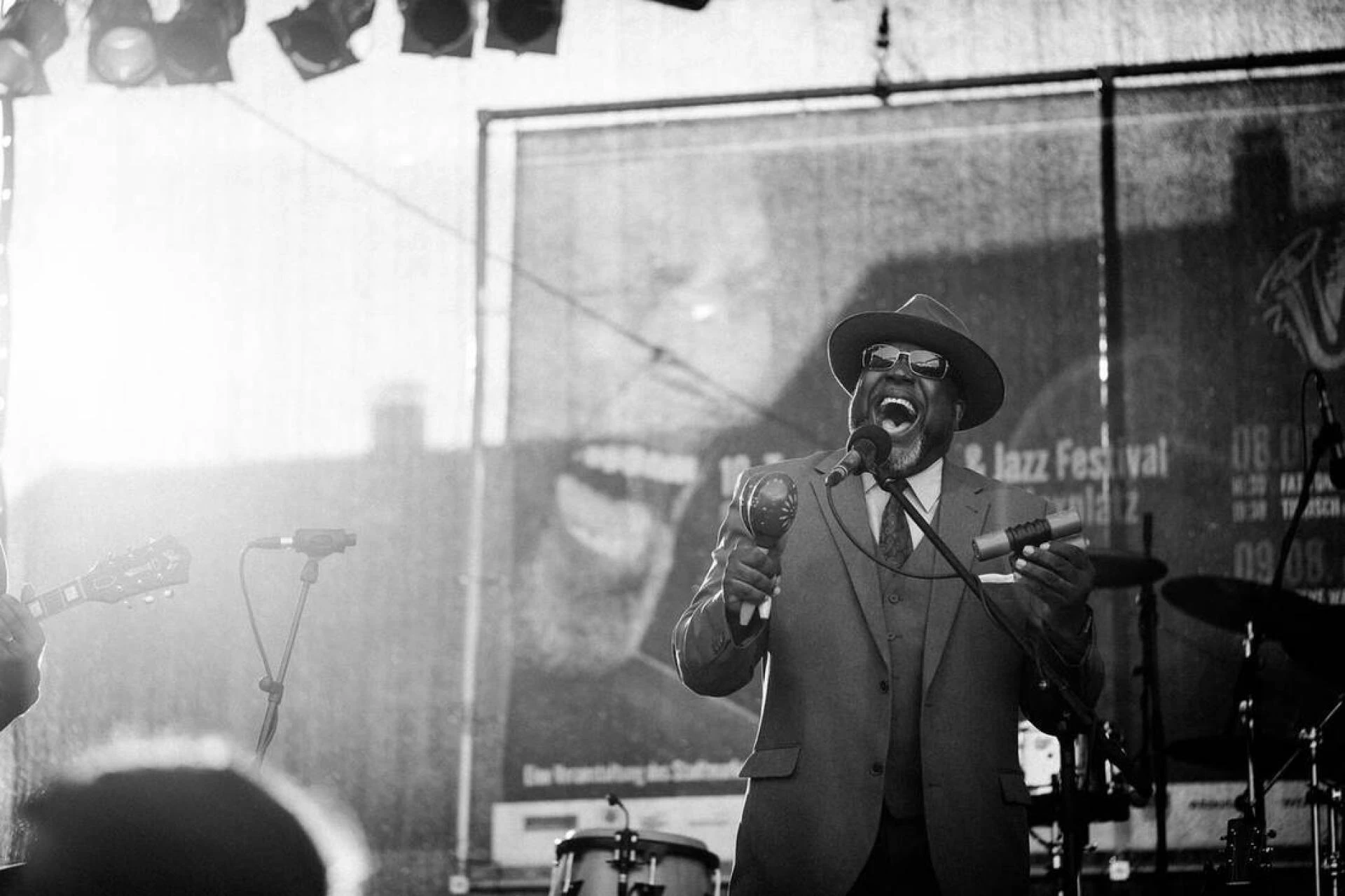

Jazz music, born from the vibrant African American communities of New Orleans, Louisiana, in the late 1800s and early 1900s, is a beautiful blend of European harmonies and African rhythms. It includes elements of soulful swing, melancholic blue notes, intricate chords, call and response vocals, polyrhythms, and the art of improvisation.
These diverse influences converged in the melting pot of New Orleans, a bustling port city that drew people from different backgrounds and regions. It was within this cultural crossroads that jazz began to take shape.
Brass bands played a significant role in the early development of jazz, providing popular entertainment in New Orleans. These talented musicians showcased their skills at parades, funerals, picnics, and dances, performing an array of musical styles.
As they pushed the boundaries, some of these artists embarked on a journey of experimentation, incorporating elements of blues and ragtime into their musical repertoire. A unique style of collective improvisation then emerged, where each instrument contributed its own melody or variation over a shared chord progression.
The Early Pioneers
A pivotal figure in the emerging jazz scene was Louis Armstrong, a world-renowned trumpet player born in New Orleans in 1901.
Armstrong's musical journey began within various brass bands and riverboat orchestras, where he honed his distinct tone and technique. Not content with being just an instrumentalist, he ventured into the realms of solo performances and singing, creating unforgettable melodies and expressive vocalizations.
In 1922, Armstrong relocated to Chicago and joined King Oliver's Creole Jazz Band, one of the pioneering jazz groups to record their music. Eventually, he formed his own bands, becoming a global sensation and leaving an indelible mark on generations of jazz musicians through his innovative style and magnetic personality.
Another trailblazer of jazz was Jelly Roll Morton, an accomplished pianist and composer born in New Orleans in 1890. Morton boldly claimed to have invented jazz as early as 1902, although this assertion is debated among historians. Nevertheless, Morton's contributions were undeniable. He was one of the first musicians to transcribe jazz compositions and arrange them for different instruments.
In his own unique style, he skilfully fused elements of ragtime, blues, Spanish music, and Creole music. Morton founded the Red Hot Peppers in 1926, his own band that went on to record some of the most influential jazz records of that era.
The Beginnings Of Swing
Following the first jazz recordings in 1917, the music spread rapidly, undergoing remarkable evolution. Brilliant musicians emerged, each contributing their own styles and forms of jazz, shaping its trajectory.
One of the main styles of jazz was swing, which emerged during the 1930s and held sway over the popular music scene until the late 1940s. Swing music carried a smooth and rhythmic feel, often performed by large orchestras or big bands featuring brass, reeds, and rhythm sections.
Swing introduced more intricate arrangements, harmonies, and increased opportunities for skilled instrumentalists to showcase their solo improvisations. Legendary bandleaders like Duke Ellington, Benny Goodman, Count Basie, and Glenn Miller epitomized the swing era. Moreover, swing's influence transcended jazz, leaving its mark on other genres such as pop, rock and roll, and rhythm and blues.
Influence And Expression
Another influential style to emerge was bebop, born in the 1940s as a response to swing.
Bebop was characterized by its fast tempos, intricate melodies, complex harmonies, and virtuosic improvisation. Bebop musicians found freedom and interaction within small groups or combos, allowing for dynamic collaborations.
The emergence of bebop also reflected the social and cultural changes that followed World War II, including urbanization, racial integration, and artistic experimentation. Visionaries like Charlie Parker, Dizzy Gillespie, Thelonious Monk, and Bud Powell pushed the boundaries of bebop, leaving an indelible mark on the evolution of jazz. Bebop also set the stage for several modern jazz styles, such as cool jazz, hard bop, modal jazz, free jazz, fusion, and more.
The legacy of jazz extends far and wide, making it one of the most influential and diverse musical genres in the world. It has inspired and been influenced by various other forms of music, ranging from classical to rock, hip hop, Latin, and world music.
Jazz has also served as a powerful medium for expressing social and political issues, giving voice to causes like civil rights, feminism, and anti-war movements. And for many communities, particularly the African American community, jazz holds a deep sense of cultural identity and pride, being a driving force behind artistic innovation and creativity.
Spreading Good Vibes
Jazz is a music that never stops evolving, always finding new life with each generation of musicians and fans. Its magic lies in the way it effortlessly crosses boundaries, bringing together people from different cultures, backgrounds, and musical traditions.
It's a testament to the fact that music has the power to bring people together and touch our souls in ways that words alone cannot!























Sign in to leave a comment.