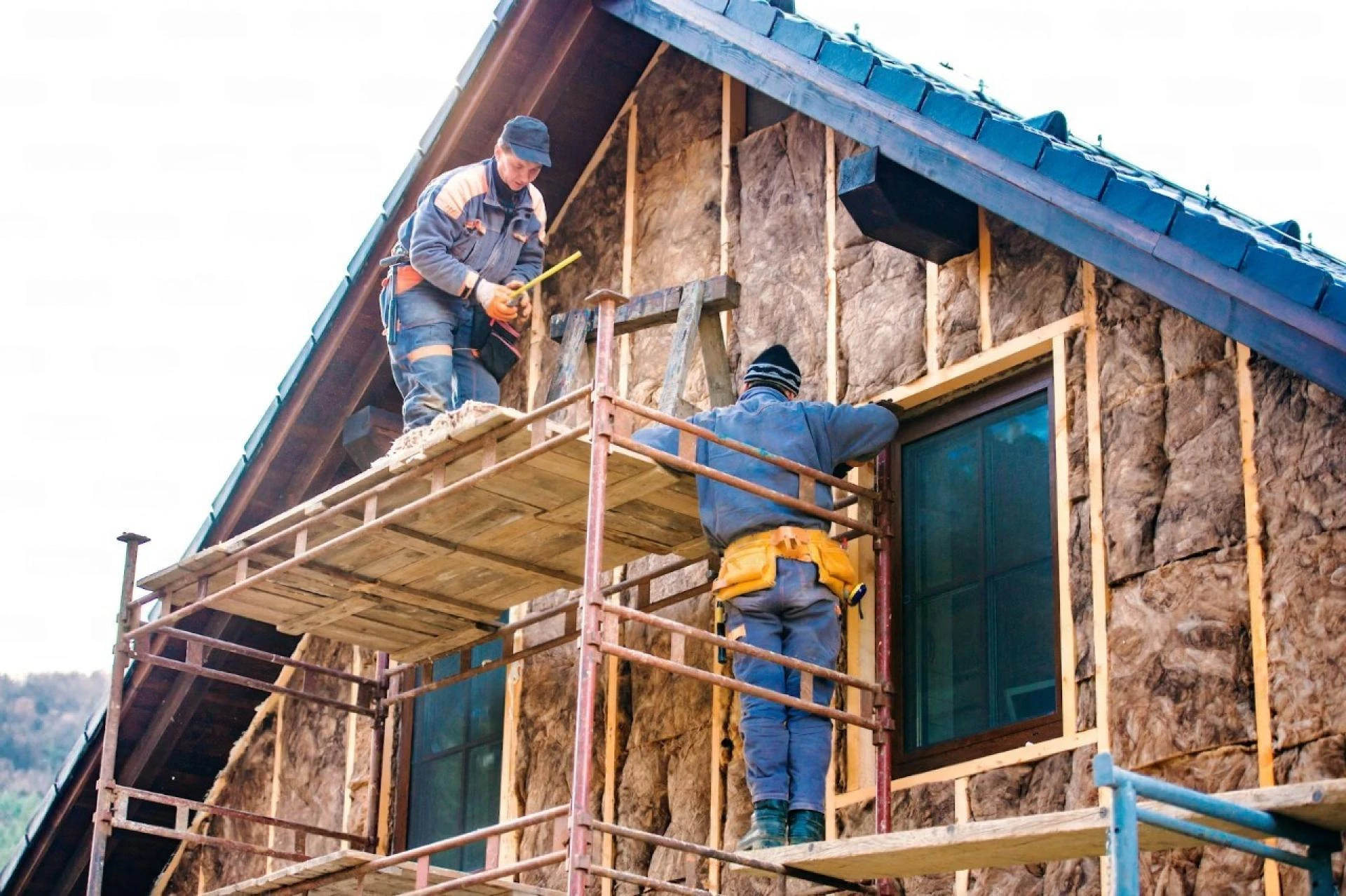

A quote can look confident and still be incomplete. It may list a price, a timeline, and a few materials, but it doesn’t always explain what will actually happen once work begins. Homeowners comparing bids with deck contractors in NW Portland, OR often think they’re choosing between numbers. In reality, they’re choosing between assumptions and a plan.
A quote is usually built from what can be seen quickly: square footage, visible surface condition, and a rough idea of complexity. That’s not useless information, but it leaves out the parts that decide whether the project stays calm. Where does water exit during heavy rain? What is carrying the load right now, and what is simply covering it? Are the stairs connected in a way that can be reinforced, or are they the weak point that drives everything else?
A real plan makes those questions visible. It doesn’t promise perfection; it reduces surprise. You should be able to tell what gets checked first, what can’t be confirmed until boards come up, and which decisions you’ll be asked to make later. A plan also explains sequencing: structure and drainage paths first, then transitions and stairs, then surfaces and finish work. When that order is missing, the project can feel like a series of corrections instead of a build.
Plans also define “done” in practical terms. Not just “new boards installed,” but how the deck will behave: consistent footing across sun and shade, edges that read clearly at night, rail posts that don’t flex, and surfaces that dry evenly instead of in slick patches. These are comfort outcomes, not cosmetic ones, and they’re hard to price correctly without thinking them through.
A real plan includes the constraints of the home itself. Door thresholds, siding clearances, downspouts, and yard grade all shape the right solution. If the deck meets the house in the wrong way, moisture becomes a recurring problem even with expensive materials. A plan calls out those transitions and explains how they’ll be protected so the deck and the home age together.
It also shows how decisions will be managed. A quote might include a vague allowance and call it a day. A plan spells out what’s included, what’s optional, and what changes the scope. If a material is selected, it notes why that choice fits the exposure and maintenance expectations. If something is excluded, it says what the risk is if it’s left as-is. It should clarify approvals, how changes are documented, and what happens if plans shift now.
Scheduling is another tell. A quote often treats time as one block: “start here, finish there.” A plan breaks it into stages and explains what could pause progress — weather, inspection timing, drying conditions, or a discovery under the surface. It should also explain how the site will be kept usable: where materials go, how walk paths are protected, and how daily cleanup will be handled so the project doesn’t take over the home.
The easiest way to spot the gap is to ask one question: “What could go wrong, and how would you handle it?” Good builders don’t get defensive. They describe likely discoveries, give options, and explain how decisions will be communicated. That’s where a decking company earns trust - by showing thinking, not just pricing. When you have a real plan, the price stops feeling like a gamble and starts feeling like a choice.


























Sign in to leave a comment.