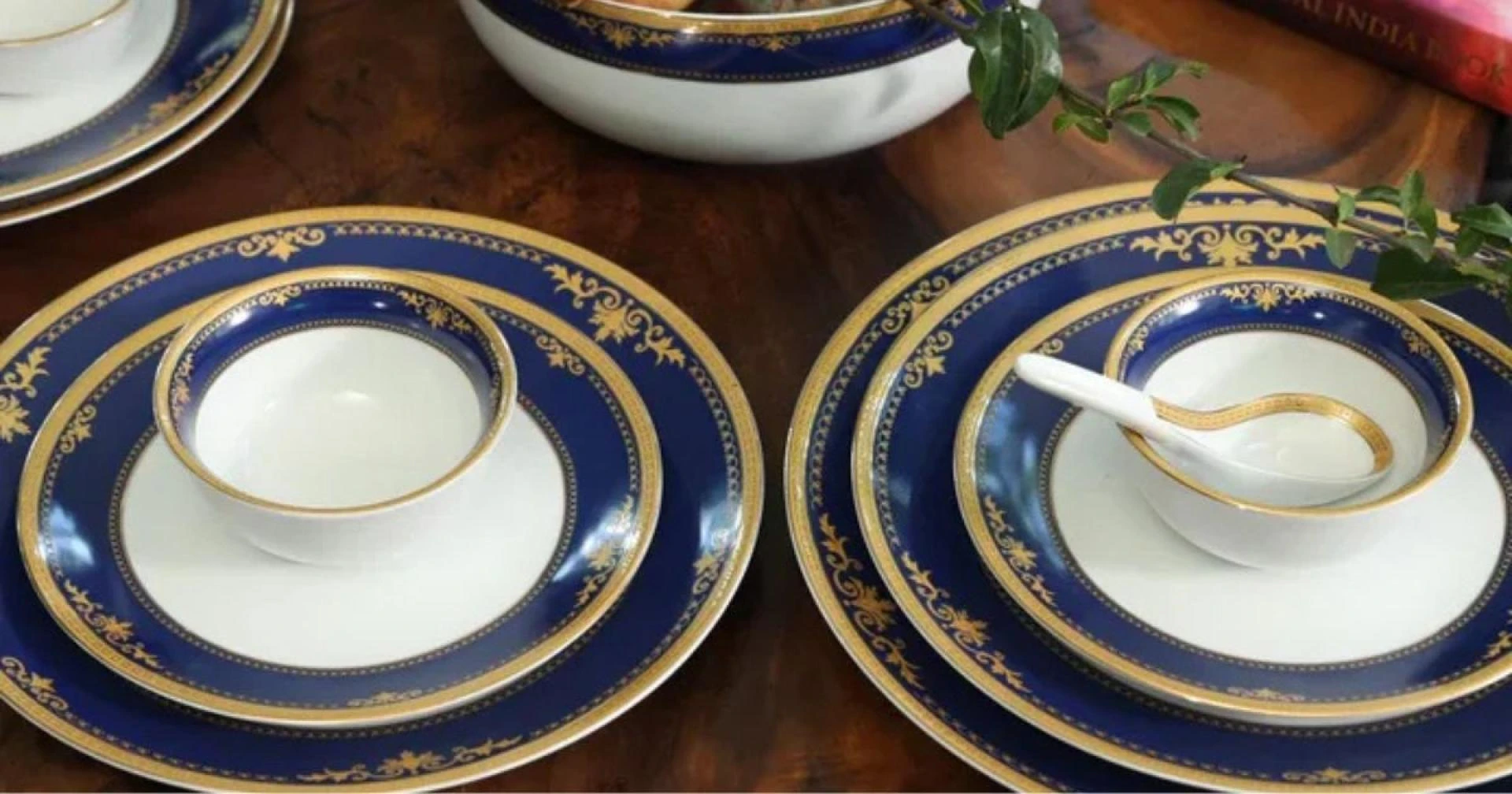

When it comes to setting a beautiful dining table, the type of dinnerware you choose makes all the difference. While there are many materials available, two of the most popular are bone china and porcelain. At first glance, they might look quite similar—both are smooth, elegant, and typically white. But a closer look reveals distinct differences in their composition, appearance, durability, and even their place in fine dining traditions.
For homeowners and hosts in Dehradun who take pride in presentation, understanding these differences isn’t just a matter of curiosity—it’s the key to making a smart, long-lasting investment in your tableware. At Hornbill & Hornbill, a trusted name for Bone china dinnerware sets in Dehradun, we believe that knowing the story behind your crockery adds a special kind of appreciation to every meal.
1. The Origins and Composition
The most defining difference between bone china and porcelain lies in their composition. Porcelain is made from a refined clay called kaolin, fired at high temperatures to achieve its strength and smooth finish. It has been a staple of fine dining for centuries, prized for its durability and clean appearance.
Bone china, on the other hand, includes an additional key ingredient—bone ash, typically derived from cattle bones. This bone ash content, usually between 25–50%, gives bone china its signature whiteness, translucency, and lightness. Originally developed in England during the 18th century, bone china quickly became a symbol of refinement and luxury.
The inclusion of bone ash also makes bone china lighter than porcelain, while giving it a warmer, more ivory-toned glow compared to the cooler, bluish-white hue of porcelain.
2. The Look and Feel
Bone china has a distinctive appearance that enthusiasts can recognize instantly. If you hold it up to the light, you’ll notice its translucency—something porcelain doesn’t quite match. It feels delicate and almost weightless in the hand, yet it is surprisingly strong.
Porcelain, while also smooth and glossy, has a denser, more opaque finish. It tends to be slightly heavier, which can give it a more substantial feel during use. Some prefer this weight, especially for everyday dining, as it feels sturdy and grounded.
At Hornbill & Hornbill, customers often compare the two side by side before deciding which best suits their home. While porcelain offers a classic, reliable charm, many are drawn to the sheer elegance of bone china dinnerware sets in Dehradun, especially for special occasions.
3. Durability and Strength
There’s a common misconception that bone china is more fragile because it looks delicate. In reality, bone china is one of the strongest types of ceramic tableware. The bone ash in its composition gives it an impressive chip resistance, even surpassing that of porcelain in many cases.
Porcelain is also very durable, but because it lacks bone ash, it can be slightly more brittle under certain conditions. Both types, however, are built to last if cared for properly. The key is to avoid sudden temperature changes and to handle them with the same respect you’d give any fine dinnerware.
4. Color and Glaze
One of the main reasons bone china is so prized is its warm, luminous finish. The bone ash not only strengthens the material but also gives it a creamy, almost glowing tone. This subtle warmth complements a wide range of table settings and food presentations.
Porcelain, by contrast, has a cooler, pure white appearance. While it lacks the creamy undertone of bone china, its crisp brightness is often preferred for modern, minimalist table styles.
Hornbill & Hornbill’s curated selection showcases both finishes—allowing customers in Dehradun to choose based on whether they want the warm sophistication of bone china or the clean simplicity of porcelain.
5. Cost Considerations
Because bone china requires more complex production methods and includes bone ash, it is generally more expensive than porcelain. Its association with luxury also plays a role in its price tag. Porcelain, being slightly more affordable, is a popular choice for those seeking elegance without the premium cost.
That being said, many homeowners in Dehradun see bone china dinnerware sets in Dehradun as an investment—something to be used and cherished for years, even passed down as an heirloom.
6. Everyday Use vs. Special Occasions
One of the biggest decisions when choosing between bone china and porcelain is how you plan to use it. Bone china is ideal for special dinners, festive gatherings, and occasions where presentation matters most. Its refined look elevates the mood instantly, making even simple meals feel extraordinary.
Porcelain, thanks to its heavier weight and excellent durability, is well-suited for everyday dining. It can handle frequent use without losing its charm, making it a practical option for families.
That said, many modern households blur these lines—using bone china daily because life’s too short to save the good plates for later.
7. Care and Maintenance
Both bone china and porcelain require gentle handling. Most modern sets are dishwasher-safe, but it’s still recommended to use a delicate cycle and mild detergents. Avoid stacking plates too tightly, as friction can cause scratches over time.
For bone china, occasional hand-washing is ideal, especially for pieces with metallic trims. Porcelain can be slightly more forgiving, but both materials will last for decades with the right care.
8. Which One Should You Choose?
The choice ultimately comes down to personal preference, lifestyle, and budget. If you value a lighter, more luxurious feel and don’t mind investing a bit more, bone china is the way to go. If you prefer a slightly heavier, crisp-white dinnerware that offers great durability at a lower price, porcelain is an excellent choice.
At Hornbill & Hornbill, we help our customers explore both options before deciding. Many even choose a mix—bone china for entertaining, porcelain for daily use.
Final Thoughts
While bone china and porcelain share similarities, their differences in composition, appearance, and feel make each unique. Bone china brings a sense of refined elegance to the table, while porcelain offers reliable beauty for everyday dining.
For those in Dehradun looking to enhance their dining experience, Hornbill & Hornbill offers an exclusive range of bone china dinnerware sets in Dehradun alongside premium porcelain collections. Whichever you choose, you’re not just buying plates—you’re investing in moments, memories, and the art of sharing meals in style.

























Sign in to leave a comment.