Homes, especially older builds and recent remodels, often face hidden issues that start small and escalate fast. Your AC system might seem fine until airflow drops and rooms start to feel humid. Meanwhile, a slow sink drain in the kitchen begins gurgling more than usual.
These two problems might seem unrelated, but they often appear together. If your home is struggling with both airflow and drainage, it’s time to take a closer look. You could be due for both AC repair and drain cleaning, and fixing one without the other often leads to repeated issues.
Why Both Systems Act Up at the Same Time
There are a few reasons AC and drainage problems tend to show up together:
- Shared moisture zones: Many basements and utility rooms house both AC systems and drain lines. If there's water buildup from a clog, the AC can pull that humidity into your ductwork.
- Condensate drain backups: A clogged AC condensate line can act like a plumbing blockage. When it backs up, it can affect nearby drains or cause water pooling near the unit.
- High humidity: When drains clog or leak, indoor humidity increases. That forces your AC to work harder, straining the system and reducing cooling efficiency.
If left unchecked, this cycle can lead to water damage, poor airflow, and musty air quality throughout your home.
The Cooling Issues to Watch For
If your air conditioner is part of the problem, it won’t always stop working entirely. Instead, it may struggle quietly for weeks before giving out.
You might notice:
- Rooms that stay warmer than others
- The system running for long periods without cooling
- Airflow that feels weak or stale
- New noises like buzzing, rattling, or humming
These signs all point to the need for AC repair in homes. A technician can diagnose refrigerant problems, clogged filters, dirty coils, or worn-out parts and restore cooling before summer heat peaks.
Drain Problems That Affect More Than Plumbing
Not all drain issues stay in the bathroom or kitchen. Many start deeper in the system and slowly impact other areas of the house.
Here’s what to look for:
- Water draining slowly or backing up
- Floor drains or basement drains bubbling or gurgling
- Odors near sinks, tubs, or utility areas
- Overflowing or noisy toilets when appliances run
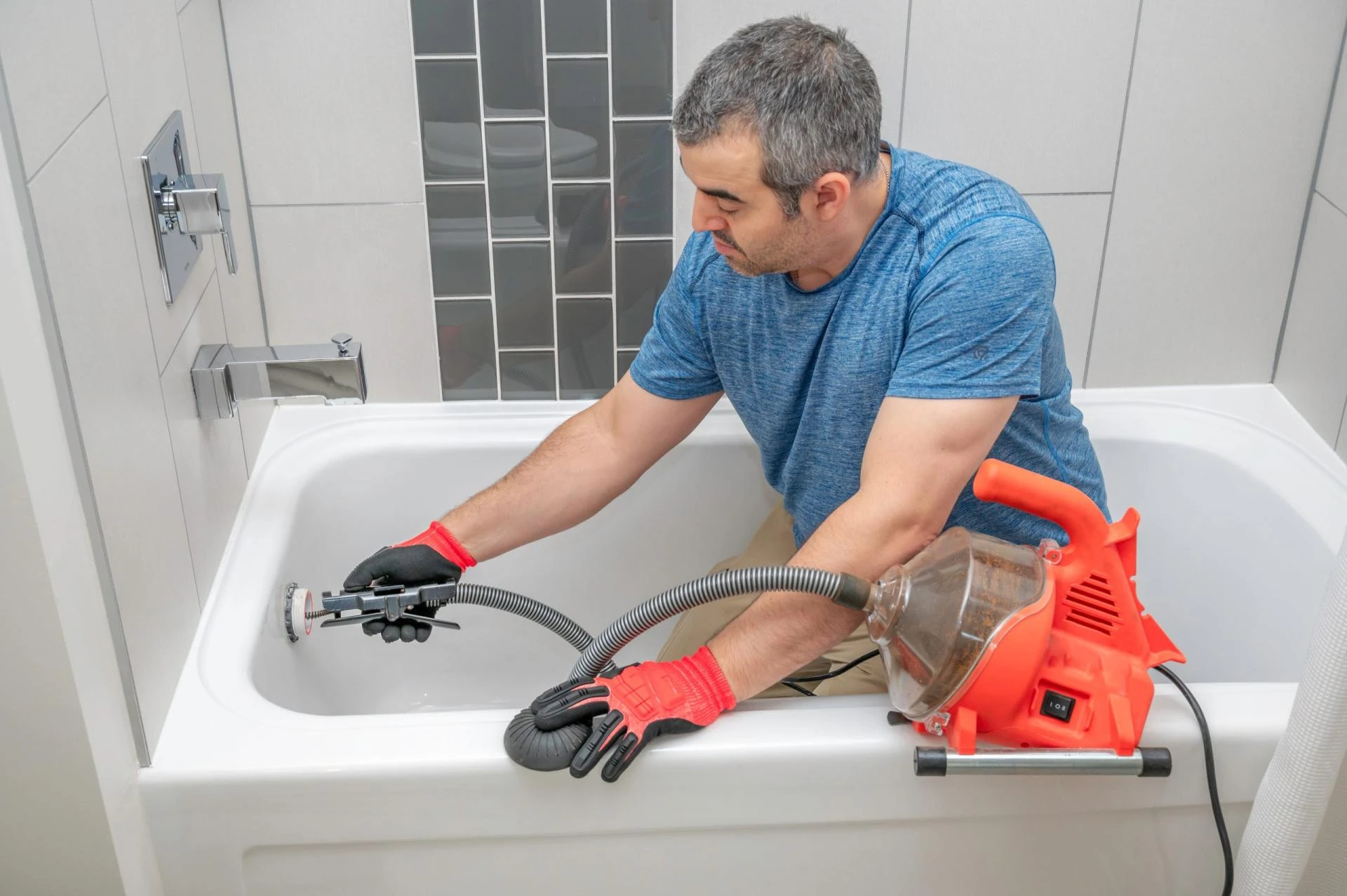
A full drain cleaning can clear years of buildup, from grease to hair to mineral deposits. Professional tools go deeper than chemical cleaners or store-bought snakes, helping prevent pipe corrosion and recurring clogs.
Why Coordinating Both Repairs Saves Time (and Stress)
Fixing your AC without addressing the drain issue may lead to more humidity and cooling strain. Clearing the drain without checking the AC may allow moisture to build up again and undo your plumbing progress.
By scheduling both services together, you can:
- Improve indoor air quality
- Reduce humidity and energy usage
- Prevent water damage from slow leaks
- Get a clearer picture of your home’s overall condition
In many cases, both jobs can be done in a single visit, especially if your AC and plumbing are in the same space.
What to Expect During a Dual Service Visit
A professional team will typically begin with a full inspection of both systems.
AC repair may include:
- Thermostat calibration
- Coil cleaning and refrigerant checks
- Electrical safety testing
- Airflow balance assessment
Drain cleaning usually involves:
- Camera inspection to locate the blockage
- Mechanical removal of buildup or root intrusion
- Safety checks for water flow, pressure, and odor control
Most jobs are completed the same day with minimal disruption to your home.
Keep Both Systems in Good Shape Year-Round
A few small habits can help extend the life of your HVAC and plumbing systems:
- Don’t pour grease down drains or flush anything other than toilet paper
- Run water through unused drains weekly
- Replace AC filters every one to three months
- Keep vents unblocked and clean
- Book seasonal maintenance for both systems
This kind of preventive care is especially useful in older homes, where minor issues tend to build up unnoticed.
Final Thought
It’s common to see cooling and drain issues emerge at the same time, especially in homes with older infrastructure or high seasonal use. You don’t have to wait for the systems to fail.






























Sign in to leave a comment.