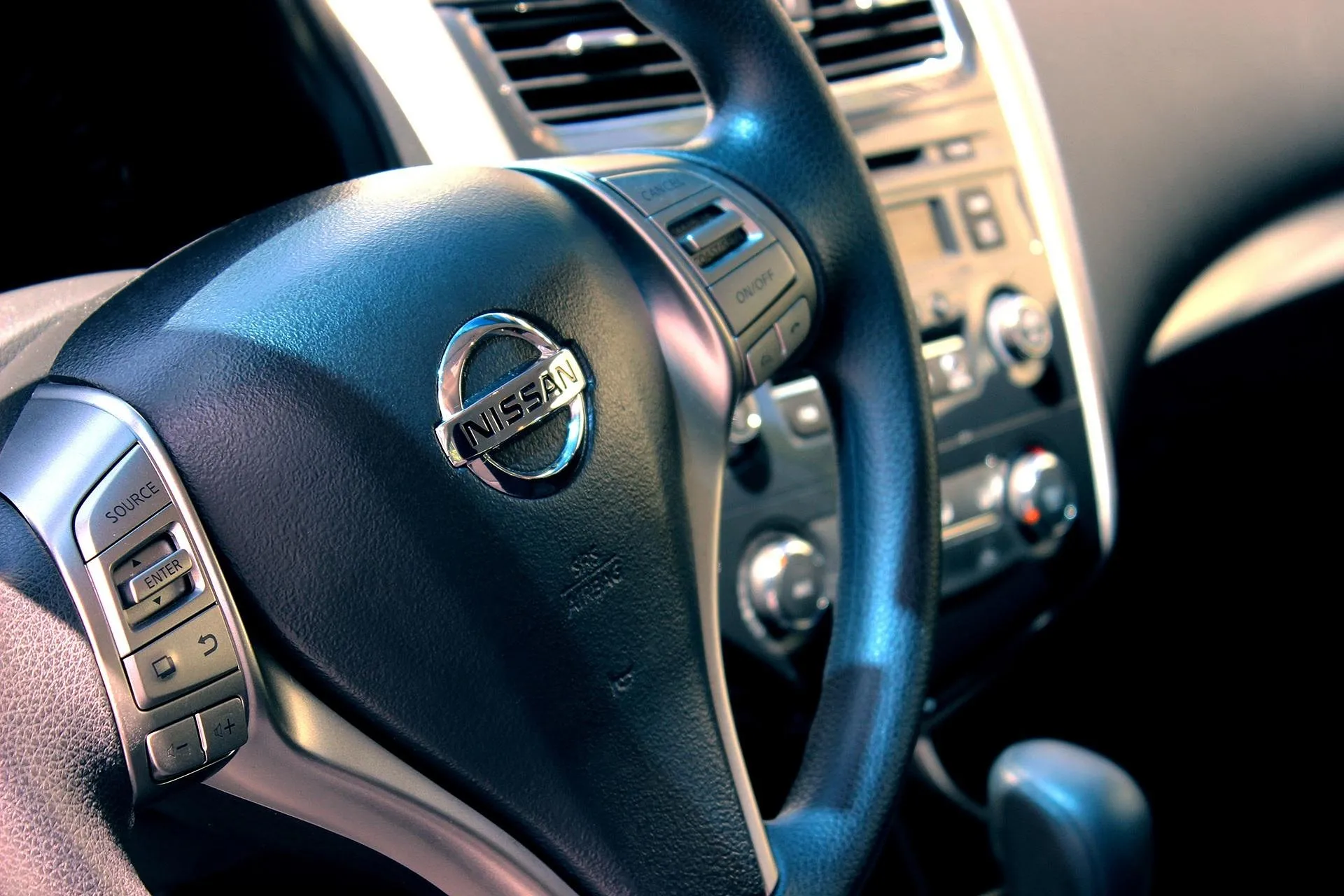

Nobody warns you about this part.
You've made the decision. The car isn't worth fixing anymore. The mechanic has said it plainly, the repair quotes have piled up, and somewhere in the back of your mind you've known for months that this day was coming. You've done the logical thing. And yet, standing in the driveway looking at it one last time, something unexpected happens.
You feel it.
Not dramatically — it's not grief the way losing a person is grief. But it's something. A tug. A pause. A moment where you're not quite ready to wave the tow truck in.
Nobody talks about this, because on the surface, it makes no sense. It's a depreciating asset. A collection of metal, rubber, and old wiring. Talking about it like it matters — really matters — feels almost embarrassing. So most people don't. They make the call, hand over the keys, and carry on. But the feeling is real, and it deserves to be named.
It Was Never Really About the Car
The reason scrapping a vehicle hits harder than it should is because the car was never just a car. It was the container for a specific period of your life.
The first car you owned outright — not a hand-me-down, not borrowed, but yours — carries the weight of independence. Of proving to yourself that you could do it. Of those early drives where you went nowhere in particular because the act of going was enough.
Family cars absorb something else entirely. The chaos of road trips where someone always needed a bathroom at the wrong time. The silence of late-night drives home when the kids finally fell asleep in the back. The weight of a car seat buckled and unbuckled thousands of times until the mechanism wore smooth. You don't scrap a minivan — you scrap fifteen years of ordinary Tuesdays. And ordinary Tuesdays, it turns out, were everything.
Even the cars we didn't love at the time take on a glow in hindsight. The unreliable compact that broke down twice on the highway. The beater that cost more in repairs than it was ever worth. The one with the broken heater you drove through three Canadian winters because replacing it wasn't in the budget. You complained about those cars constantly. And now that they're gone, you'd give a lot to be twenty-three again, cursing at the defrost in a February parking lot.
The Guilt Nobody Mentions
There's a specific kind of guilt that comes with scrapping a vehicle, and it's rarely talked about.
It's the guilt of feeling like you're abandoning something that never abandoned you. Irrational? Sure. But the human brain doesn't care much for rationality when it comes to things that were present for formative moments. Your car started every morning — or almost every morning. It got you to the hospital. It brought you home safe. It didn't make demands.
For some people, that guilt gets tangled up with another kind entirely — the grief of the person who used to drive it. A parent's car sitting in a driveway after they've passed. A teenager's first car, kept long after they've grown and moved away. Scrapping that vehicle can feel like erasing a presence, even though the presence was never in the car at all.
And yet, keeping a rusting vehicle in the driveway out of guilt serves no one. The memories don't live in the steel. They live in you. That's worth repeating: the memories don't live in the car.
Letting Go Without Losing the Memory
The healthiest thing you can do with a vehicle that's reached the end of its road is give it a dignified exit — one that respects what it meant to you without letting that meaning hold you hostage.
That looks different for everyone. Some people take one last drive, even a short one. Some take a photograph. Some clean it out with unusual care, going through the glove box like an archaeologist — toll receipts from 2019, a hair elastic, a parking ticket from a city they once loved, a child's drawing crumpled under the seat. These are not just junk. They are the evidence of a life lived in motion.
When you're ready, letting go through a service that handles the process simply and respectfully makes a real difference. In the Mississauga area, many families turn to Scrap Car Buyer Mississauga precisely because the process is quiet and straightforward — a phone call, a same-day pickup, cash in hand, no drawn-out negotiations. When you're already carrying some weight emotionally, the last thing you need is a complicated transaction. You need someone to simply show up, do what they said they'd do, and let you close that chapter without friction.
What Comes After
Here's the part that surprises most people: after the car is gone, the memories don't go with it.
The road trip is still yours. The first drive is still yours. The song that was playing when you pulled into that driveway at 2 a.m., seventeen years old and more alive than you knew — that's still yours. It always was.
The car was just where those things happened. A good container for a good life. But the contents were always yours to keep.
Some people find that once the car is gone, the memories become somehow cleaner. Freed from the guilt of an undriven vehicle sitting and rusting, the good parts surface more easily. The trip, not the breakdown. The laughter, not the arguments about directions. The arrivals, not the long, tired waits.
That's the strange gift on the other side of letting go: the story gets to settle into its best version.
A Final Thought
If you're sitting with this decision right now — car at the end of its life, not sure why you're hesitating when the practical answer is obvious — know that the hesitation is normal. It means the car did its job. It was present for things that mattered. The fact that you feel something at the end of it is not weakness. It's just proof that you were paying attention while it happened.
Take a moment. Take a photograph. Take the parking pass out of the visor and put it somewhere you'll find it in ten years.
Then let it go.
The road ahead doesn't require you to carry the last one to drive it.



























Sign in to leave a comment.