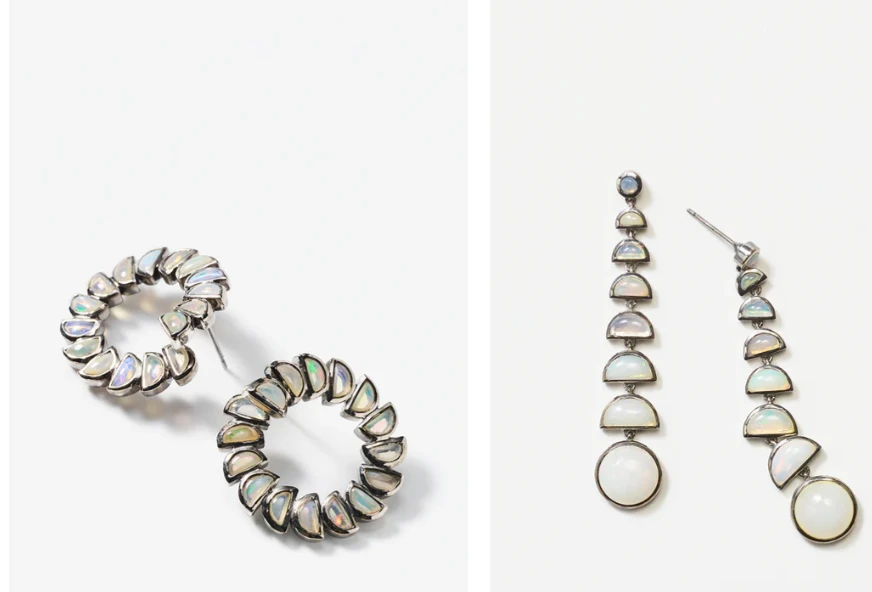

Ethiopian opals, with their vibrant play of colors and unique patterns, have captivated jewelry enthusiasts worldwide. Among the various forms in which these gemstones are showcased, Ethiopian opal earrings stand out as particularly mesmerizing pieces. Their radiant hues and intricate designs make them not just accessories, but wearable works of art.
In this blog, we\'ll explore the allure of Ethiopian opal earrings, their history, characteristics, and why they make a perfect addition to any jewelry collection.
The Fascinating History of Ethiopian Opals
Opals have been cherished for centuries, with their origins tracing back to ancient times. While Australian opals have traditionally dominated the market, Ethiopian opals have gained significant recognition since their discovery in the early 1990s. The first significant find occurred in the Shewa province, but it was the 2008 discovery in the Wollo province that truly put Ethiopian opals on the map.
These opals are distinct from their Australian counterparts, primarily due to their formation process. Ethiopian opals are hydrophane, meaning they can absorb water and change their transparency. This unique property adds an extra layer of intrigue and beauty, making Ethiopian opal earrings highly sought after by collectors and fashion enthusiasts alike.
The Unique Characteristics of Ethiopian Opals
What sets Ethiopian opals apart is their stunning play of color, which is the result of the diffraction of light through their internal structure. This optical phenomenon creates a dazzling display of colors that seem to shift and change as the stone moves. The colors can range from vivid reds, blues, and greens to soft pastels and ethereal whites.
The hydrophane nature of Ethiopian opals also contributes to their unique appeal. When these opals absorb water, they can become more transparent, enhancing their play of color. This transformation is temporary and reversible, adding an element of mystery and dynamism to the stone.
Ethiopian opals are also known for their durability. While opals, in general, are considered relatively soft gemstones, Ethiopian opals are less prone to cracking compared to other types, making them an excellent choice for earrings that are both beautiful and practical for everyday wear.
The Craftsmanship Behind Ethiopian Opal Earrings
Creating Ethiopian opal earrings involves a blend of artistry and precision. Jewelers carefully select opals with the most captivating play of color and shape them into cabochons or faceted stones. The setting of these stones is equally important, as it not only secures the opal but also enhances its visual appeal.
Designs for Ethiopian opal earrings can vary widely, from simple and elegant studs to elaborate chandelier earrings. The choice of metal—be it gold, silver, or platinum—can complement the opal’s colors and add to the overall aesthetic. For instance, yellow gold settings can bring out the warmer tones in the opal, while white metals like silver or platinum can highlight the cooler hues.
The Symbolism and Meaning of Opals
Opals have long been associated with various symbolic meanings and beliefs. In ancient times, they were thought to bring good luck and were often used as talismans. The play of color in opals was believed to harness the energies of all the gemstones whose colors are reflected in the opal.
In contemporary times, opals are often associated with creativity, inspiration, and emotional expression. They are thought to enhance one\'s ability to communicate and to bring a sense of calm and clarity. Ethiopian opal earrings, therefore, can be more than just beautiful accessories; they can also serve as meaningful tokens that reflect the wearer\'s personality and aspirations.
Why Choose Ethiopian Opal Earrings?
There are several compelling reasons to choose Ethiopian opal earrings. Firstly, their unique and dynamic beauty ensures that no two pieces are exactly alike. This individuality makes them perfect for those who appreciate one-of-a-kind jewelry.
Secondly, Ethiopian opals offer a range of colors that can complement any wardrobe. Whether you prefer the vibrant flashes of a fire opal or the subtle hues of a crystal opal, there’s an Ethiopian opal earring to suit your style.
Thirdly, the durability of Ethiopian opals makes them practical for everyday wear. Unlike other opals that may be prone to cracking or damage, Ethiopian opals are more resilient, allowing you to enjoy their beauty without constant worry.
Finally, Ethiopian opal earrings are versatile. They can add a touch of elegance to a casual outfit or serve as a stunning focal point for a formal ensemble. Their ability to transition seamlessly from day to night makes them a valuable addition to any jewelry collection.
Caring for Ethiopian Opal Earrings
To maintain the beauty of your Ethiopian opal earrings, proper care is essential. Since these opals are hydrophane, they can absorb liquids, which means they should be kept away from water and other fluids to prevent changes in their appearance. It’s also important to store them in a dry environment and avoid exposure to extreme temperatures.
Cleaning Ethiopian opal earrings should be done gently. Use a soft, damp cloth to wipe the stones and avoid harsh chemicals or ultrasonic cleaners that could damage the opal. Regularly check the settings to ensure the opals are secure, and consider professional cleaning and inspection for long-term care.
Conclusion
Ethiopian opal earrings are a testament to the natural beauty and intricate craftsmanship that defines fine jewelry. Their captivating play of color, unique properties, and rich history make them a remarkable choice for anyone looking to add a touch of elegance and individuality to their collection. Whether you’re drawn to their mystical allure or their aesthetic charm, Ethiopian opal earrings are sure to enchant and inspire for years to come.



























Sign in to leave a comment.