
Hippy clothing, characterized by its unique blend of countercultural style and a celebration of peace, love, and freedom, has long been a staple of fashion in the United Kingdom. The bohemian, free-spirited fashion movement that took root in the 1960s continues to captivate a new generation of consumers in the UK. In this article, we will explore the enduring appeal of hippy clothing in the UK market and its place in contemporary fashion.
The Roots of Hippy Fashion
Hippy fashion emerged in the 1960s as a powerful expression of counterculture and rebellion against the constraints of mainstream society. Influenced by the anti-war movement and the desire for a more natural and harmonious way of life, hippy clothing took inspiration from various sources, including Native American and Eastern cultures. The hallmark features of this style included loose, flowing garments, psychedelic patterns, tie-dye fabrics, fringes, bell-bottom trousers, and an array of colorful accessories.
The Hippy Aesthetic Today
While the heyday of the 1960s and 70s counterculture may be decades behind us, the essence of the hippy aesthetic endures. Modern hippy clothing is a fusion of nostalgia and contemporary sensibilities. It incorporates elements such as:
Natural Fabrics: Hippy clothing continues to embrace natural materials like cotton, hemp, and linen, promoting sustainability and comfort.
Tie-Dye: The vibrant and distinctive tie-dye patterns that define the era remain a hallmark of hippy fashion, with a modern twist.
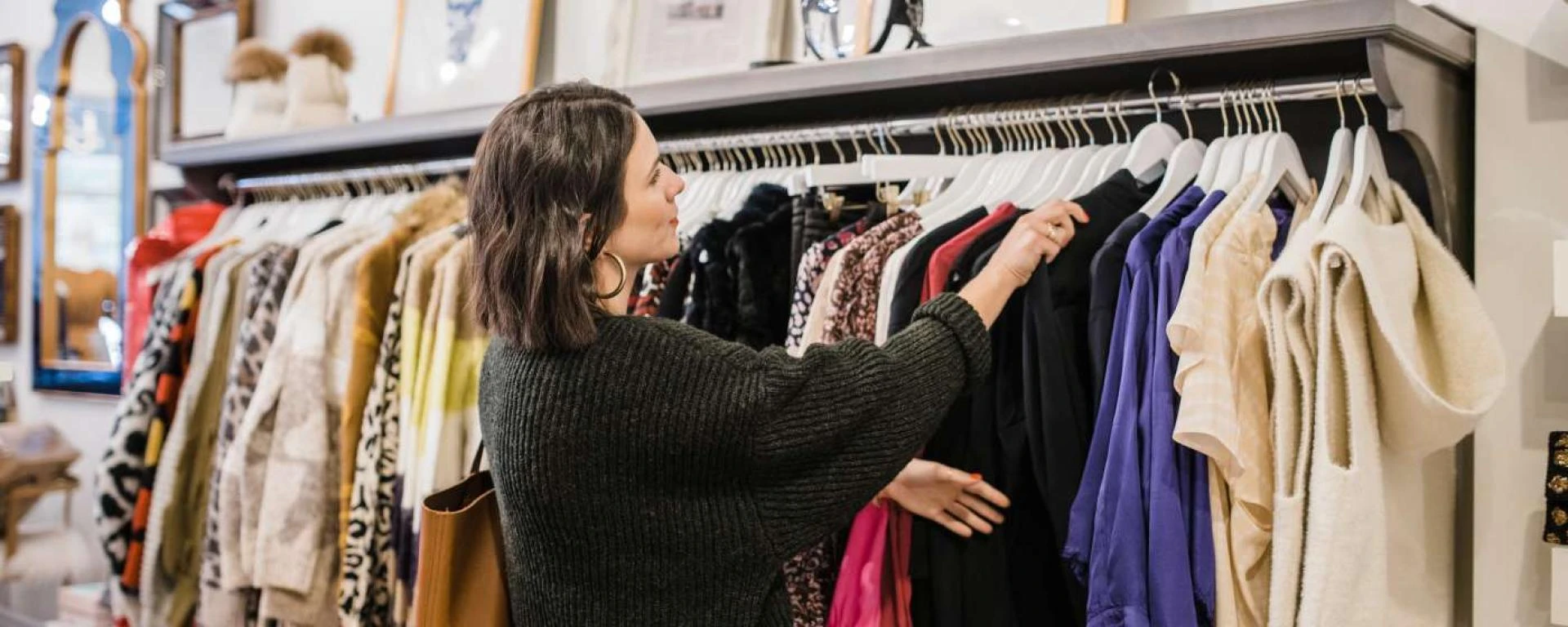
Bohemian Styles: Flowy maxi dresses, wide-legged trousers, and loose-fitting tops are still in vogue, reflecting the laid-back and free-spirited lifestyle.
Fringe and Embellishments: Fringes, beadwork, and embroidery add a touch of the handmade, artisanal quality that is synonymous with hippy fashion.
Eco-Friendly Values: Today's hippy clothing often aligns with eco-conscious consumers, emphasizing sustainable practices and ethical production.
The UK Market for Hippy Clothing
The United Kingdom's fashion market has seen a resurgence of interest in hippy clothing in recent years. Several factors have contributed to this revival:
Sustainability: Hippy clothing, with its emphasis on natural fabrics and ethical production, aligns with the growing demand for sustainable fashion.
Festival Culture: The UK's vibrant festival culture, including Glastonbury and Latitude, has helped keep the spirit of the 1960s alive, with festival-goers often donning hippy-inspired outfits.
Individuality: The countercultural roots of hippy fashion encourage a sense of individuality, appealing to those who seek to express themselves outside the mainstream.
Online Marketplaces: The internet has made it easier for consumers to access a wide range of hippy clothing, including vintage and contemporary pieces, through e-commerce platforms.
Consumer Appeal and Expression
For many in the UK, embracing hippie clothes is more than just a clothing choice; it's a form of self-expression. Those who opt for these styles are often drawn to the idea of breaking free from the constraints of traditional fashion and embracing a unique, free-spirited identity. Hippy clothing offers an opportunity to stand out in a crowd and send a message of peace, love, and unity.
Hippy clothing, with its timeless aesthetic and values of peace and love, continues to be a beloved and relevant part of the UK fashion landscape. Its unique blend of nostalgia and modern sustainability has allowed it to resonate with both older generations who lived through the counterculture era and younger individuals seeking an alternative to mainstream fashion. As the UK marketplace embraces eco-consciousness and individuality, it's safe to say that the allure of hippy clothing is set to endure for many years to come.




















Sign in to leave a comment.